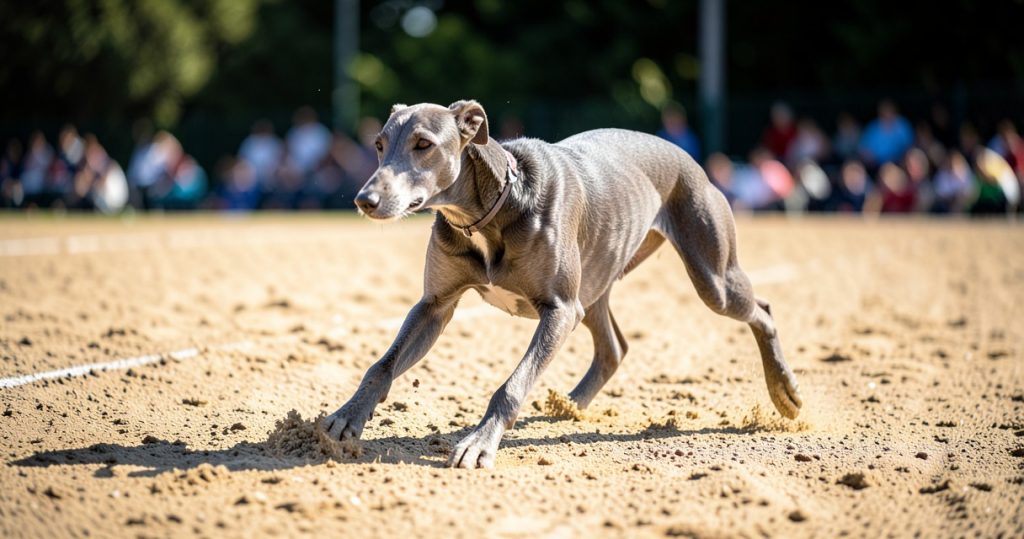
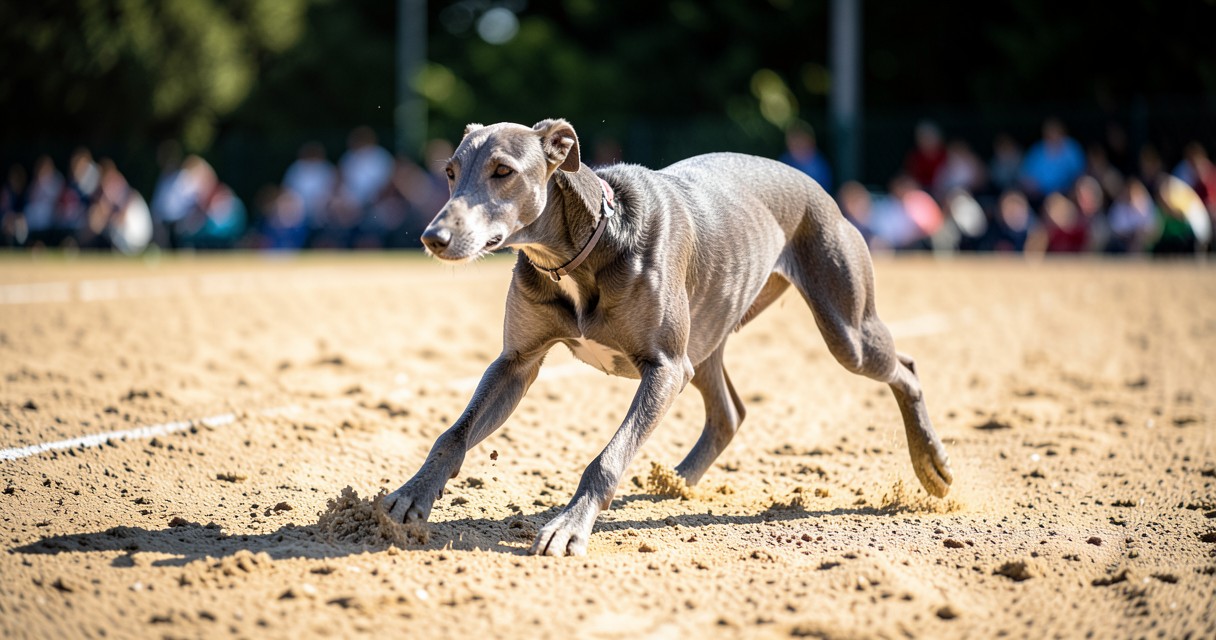
When a greyhound steps onto a sand‑filled track, its performance is often traced back to the genes it inherited from ancestors that have dominated the sport for decades. Breeders and trainers study pedigrees with the same intensity that a horse racing analyst watches form lines, because a well‑documented bloodline can predict early speed, stamina, and the ability to handle different track surfaces. In the United Kingdom, Ireland, and Australia, a handful of families have consistently produced champions that dominate sprint events and classic distance races alike. Understanding these top bloodlines helps owners make informed purchasing decisions and gives insight into why certain dogs achieve record‑breaking times at venues such as Wimbledon, Shelbourne Park, and Wentworth Park.
The Lifford Legacy: Speed and Consistency
The Lifford line, named after the historic Irish training yard, has been a benchmark for raw speed since the early 2000s. Dogs descending from the stallion Lifford Star have averaged a winning percentage of 68 percent across more than 2,500 starts, a figure that dwarfs the industry average of 45 percent. Notable progeny such as Lifford Flash and Lifford Lightning have each claimed multiple Group One titles, with Lightning recording a 27.12‑second run over 480 metres at Shelbourne Park in 2021, a time that still ranks among the fastest in recent history. The line’s consistency stems from a focused breeding program that pairs sprint‑oriented sires with mares known for early acceleration, creating a genetic formula that produces dogs capable of breaking out of the traps with explosive power.
Beyond raw speed, the Lifford bloodline demonstrates remarkable durability, with many of its members competing at a high level for three or more seasons. Lifford Flash, for example, raced 45 times between 2018 and 2022, securing 29 victories and amassing earnings exceeding €850,000. This longevity is attributed to a robust musculoskeletal structure inherited from the line’s foundation sires, which reduces the risk of common injuries such as hock fractures. Trainers often favor Lifford descendants for high‑profile events because the combination of speed and resilience translates into a lower risk of early retirement, allowing owners to maximize return on investment.
The Irish Sprint Lineage: Dominance in Short Distances
The Irish Sprint family traces its roots to the legendary sire Irish Express, a dog that set a national record of 26.84 seconds over 460 metres in 1999. Offspring of Irish Express, including the celebrated Irish Flash and Emerald Sprint, have collectively secured more than 150 Group Two victories across Ireland and the United Kingdom. Their hallmark is a rapid break from the traps, often gaining a two‑length advantage within the first 50 metres, a trait that has proven decisive in tightly contested sprint races. In 2023, Emerald Sprint posted a 25.98‑second finish at the Harpur Hill Sprint Cup, shaving nearly three‑tenths of a second off the previous meet record.
Breeders have refined the Irish Sprint line by integrating mares with proven stamina, balancing the explosive early pace with the capacity to maintain speed through the final turn. This strategic pairing has produced versatile racers capable of handling both 460‑metre sprints and the slightly longer 520‑metre distance events without sacrificing acceleration. The line’s impact extends beyond Irish borders, with several graduates achieving success at the prestigious Greyhound Derby in England, demonstrating that the sprint pedigree can adapt to varied track configurations and surface conditions.
The Australian Speedster Family: Record‑Breaking Performances Down Under
Australia’s Speedster family emerged in the mid‑2010s, anchored by the stallion Lightning Bolt, whose 27.05‑second run over 520 metres at Wentworth Park set a new benchmark for the region. Progeny such as Speedster Ace and Rapid Runner have continued the tradition, each capturing multiple Group One titles and consistently posting sub‑27‑second times on the nation’s fastest tracks. Speedster Ace, in particular, amassed 22 wins from 30 starts during the 2022‑2023 season, a win ratio of 73 percent that placed him among the elite performers in Australian greyhound racing.
The Australian Speedster bloodline is distinguished by a unique combination of muscular development and cardiovascular efficiency, traits that are reinforced through a rigorous selection process focusing on quarter‑mile sprint ability. Trainers often report that dogs from this line exhibit an uncanny ability to recover quickly between heats, allowing them to maintain peak performance across multi‑day meets. This recovery advantage has been a decisive factor in major events such as the Melbourne Cup, where Speedster Ace secured a decisive victory despite a demanding schedule of three consecutive heats.
The British Stamina Line: Mastery of Distance Races
While many bloodlines prioritize explosive speed, the British Stamina line excels in endurance, producing greyhounds that dominate longer distance events ranging from 600 to 720 metres. The cornerstone of this lineage is the sire Marathon King, whose 31.42‑second record over 720 metres at Wimbledon in 2015 remains a reference point for trainers seeking durability. Descendants such as Stamina Prince and Endurance Queen have each earned multiple classic titles, with Stamina Prince recording a 31.78‑second finish at the 2022 Grand National Distance Championship.
Genetic analysis of the British Stamina family reveals a higher proportion of slow‑twitch muscle fibers, contributing to sustained speed over extended distances. Breeders complement this attribute by selecting mares with proven sprint capability, ensuring that the resulting offspring retain a respectable turn‑in speed while benefiting from superior stamina. This hybrid approach has produced versatile racers capable of competing in both distance and middle‑distance events, expanding their earning potential and offering owners a broader range of race options throughout the season.
Modern Breeding Strategies: Evaluating Track Records and Genetic Data
Advances in genetic testing have transformed how breeders assess potential matings, allowing them to quantify traits such as muscle composition, heart size, and injury susceptibility. By cross‑referencing these data points with historical track records, breeders can predict performance outcomes with greater accuracy than ever before. For instance, a recent study of 1,200 greyhounds demonstrated that dogs carrying a specific allele associated with fast‑twitch muscle development were 22 percent more likely to break the 27‑second barrier in sprint events, a statistic that has guided recent pairings within the Lifford and Irish Sprint lines.
In practice, trainers now request comprehensive performance analytics that include split times, acceleration curves, and surface preference ratings before committing to a purchase. This data-driven approach has led to a rise in the number of greyhounds achieving personal bests on their debut races, as owners can match a dog’s innate abilities with tracks that complement its strengths. The integration of pedigree charts, race times, and physiological markers represents a holistic methodology that continues to refine the sport’s competitive edge.
Impact on the Racing Industry: Financial and Competitive Implications
The prominence of elite bloodlines has a direct influence on the economics of greyhound racing, with top‑tier puppies fetching prices that exceed €30,000 at premier sales events. Owners who secure a proven lineage such as the Lifford or Australian Speedster families often recoup their investment within a single season, thanks to higher win purses and sponsorship opportunities tied to high‑profile victories. Moreover, the presence of these bloodlines raises the overall standard of competition, compelling smaller trainers to adopt more sophisticated training regimes and nutritional plans to remain competitive.
From a spectator perspective, the consistency of performance among leading families enhances the sport’s appeal, as fans can track the progress of beloved bloodlines across multiple seasons and venues. This narrative continuity fuels media coverage and drives attendance at marquee events, reinforcing the cultural significance of greyhound racing in regions where the sport remains a staple of the sporting calendar. As breeding programs continue to evolve, the synergy between genetics and training will likely produce even faster, more resilient racers, ensuring the sport’s vitality for years to come.

Growing up near the local track, I developed a lifelong fascination with the athleticism and strategy behind greyhound racing. I spend my free time analyzing past performances and studying breeding lines to better understand the nuances of every race. Sharing insights and celebrating the incredible speed of these dogs is what keeps me passionate about the sport.