History and Origins of Greyhound Racing
Greyhound racing history traces back thousands of years, intertwining with the origins of the greyhound breed itself. Greyhounds are one of the oldest dog breeds, with depictions of dogs resembling greyhounds found in ancient Egyptian, Greek, and Roman art. These dogs were prized for their speed and agility, initially used for hunting and coursing game due to their exceptional sight and swiftness. The origins of greyhound racing as a competitive sport are rooted in these early hunting practices where hunters would chase prey with greyhounds and wager on the dogs’ ability to catch their quarry.
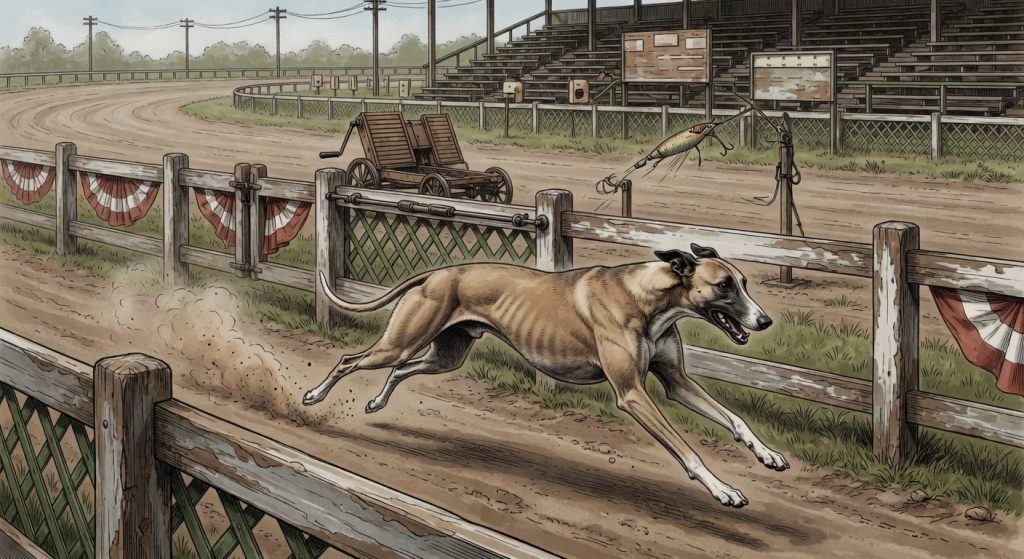
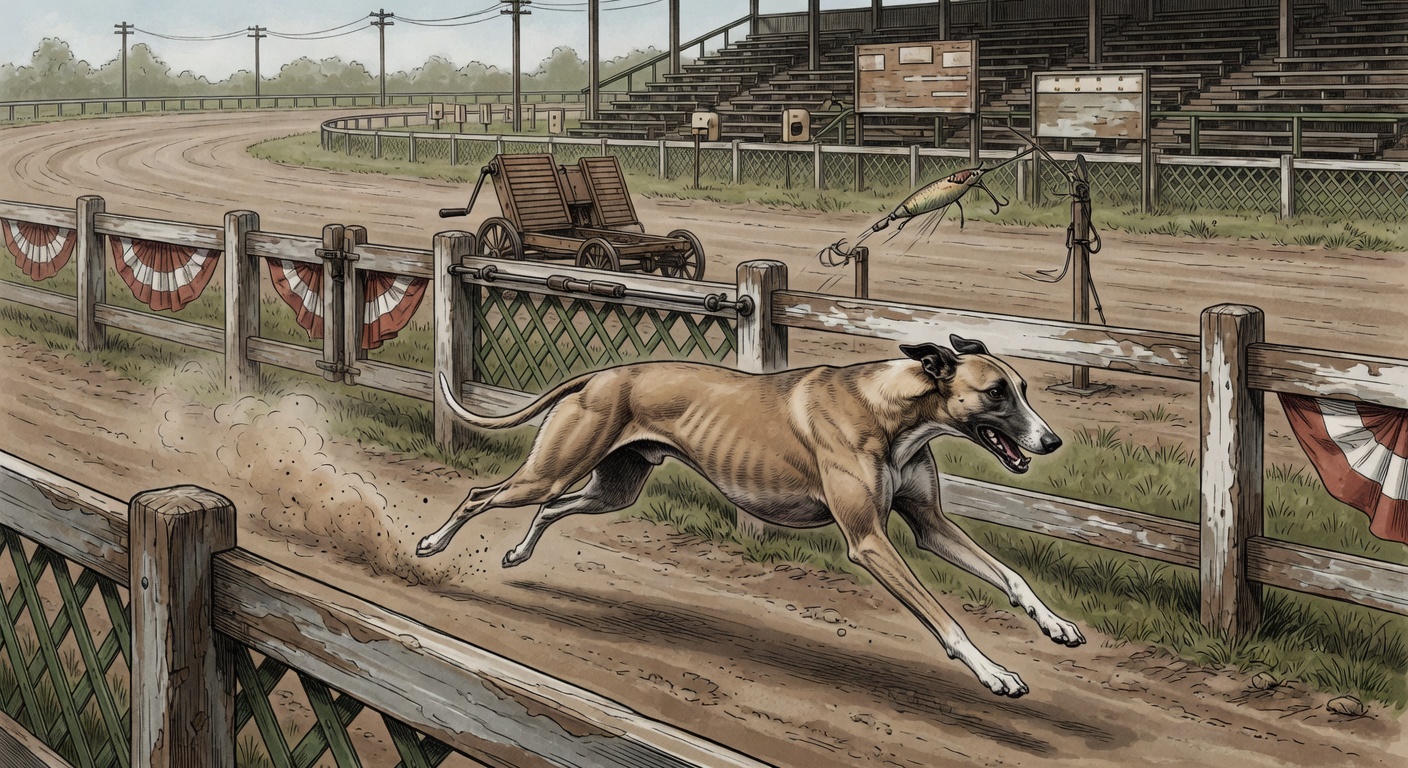
The development of organized greyhound racing began in England in the 18th century with live hare coursing, where dogs chased a live hare around an enclosed field. This form of racing gained significant popularity and led to the creation of formal rules and associations to regulate the sport. The key milestone in greyhound racing history was the introduction of mechanical lure racing in the early 20th century. This innovation allowed races to be standardized and conducted more humanely by replacing live hares with a mechanical lure that the dogs chased around the track.
The first official greyhound track to use a mechanical lure was established in 1912 in England, marking a turning point in racing development. This advancement helped greyhound racing transition from rural hunting contests to a mainstream spectator sport. By the 1920s, greyhound racing had expanded worldwide, with tracks opening in the United States, Australia, and Ireland, each contributing to the sport’s evolving culture and regulations. The sport’s growth was driven by the appeal of fast-paced, accessible entertainment coupled with betting, which became a major aspect of greyhound racing events.
Today, greyhound racing history is not just a chronicle of the sport but also a reflection of cultural shifts and technological innovations worldwide. From its humble beginnings in ancient hunting traditions to the establishment of regulated tracks, the origins and development of greyhound racing continue to influence how the sport is perceived and enjoyed globally.
Early Beginnings and Ancient Practices
Ancient greyhound racing has roots that stretch back thousands of years, making it one of the oldest known organized sports involving dogs. Early greyhound use was primarily practical; these dogs were prized for their speed and agility, which made them ideal for hunting and tracking game in various ancient cultures. Over time, these abilities were harnessed for entertainment and competition, laying the groundwork for what would later evolve into formal greyhound racing.
Historical racing involving greyhounds can be traced to civilizations such as the Egyptians, Greeks, and Romans, where these dogs were cherished not only for their hunting skills but also for their elegance and swiftness. In ancient Egypt, greyhounds were often depicted in artwork and were sometimes buried alongside their owners, highlighting their societal value. The Greeks and Romans further developed greyhound racing as a sport, incorporating it into their public games and social festivities.
Initially, the role of greyhound racing in society was closely linked to showcasing the prowess of the dogs as well as the status of their owners. These races served both as a form of entertainment and a way to demonstrate skill in breeding and training. As a result, ancient greyhound racing not only entertained but also helped in the preservation and enhancement of the breed, ensuring its survival through centuries of changing cultural practices.
Modern Greyhound Racing Evolution
The evolution of modern greyhound racing in the 20th century marked a significant transformation in the sport’s landscape. During this period, greyhound racing adapted to changing social and economic conditions, moving beyond informal coursing events to embrace a structured and professional framework. The emergence of formal greyhound tracks played a pivotal role in this evolution, providing dedicated venues that showcased the athleticism and speed of these remarkable dogs under regulated conditions.
Modern racing introduced standardized rules and betting systems, which brought greater legitimacy and wider public interest to the sport. These developments helped greyhound racing transition from local pastime activities to organized sporting events that attracted large crowds and media coverage. The construction of greyhound tracks allowed for precisely measured distances and controlled environments, ensuring consistency and fairness in every race.
The growth of greyhound tracks also facilitated innovations such as the mechanical lure, replacing traditional hare chasing methods and enhancing the racing experience for both competitors and spectators. As a result, modern racing not only heightened the sport’s appeal but also improved safety and competitiveness.
In summary, the 20th century witnessed an important shift in greyhound racing culture as the sport embraced modernization with the establishment of formal race tracks. These tracks became the heart of the greyhound racing community, fostering a professional atmosphere that continues to shape the sport today.
Cultural Significance and Community Impact
Greyhound culture is deeply woven into the fabric of many regions, reflecting a unique blend of tradition, sport, and social engagement. This cultural significance extends beyond just the races themselves, encompassing the rituals, stories, and camaraderie that surround greyhound racing. In communities where greyhound racing flourishes, it often serves as a vital social hub, bringing together individuals from diverse backgrounds who share a common passion. The sport’s heritage is celebrated through local events and gatherings, where enthusiasts exchange knowledge and memories, fostering a strong sense of identity linked to this unique pastime.
In many areas, greyhound racing has historical roots that contribute to its cultural importance. In places such as Ireland, Australia, and parts of the United Kingdom, it is more than just a sport; it is a tradition passed down through generations. This tradition plays a crucial role in maintaining community cohesion, as races and related events often act as regular social meeting points. Families and friends gather to support their favorite dogs, making it a shared experience that strengthens social bonds and encourages intergenerational connections within the community.
The community impact of greyhound racing is multifaceted. Economically, it provides employment opportunities not only for trainers and breeders but also for local vendors and hospitality services. Socially, race days are occasions for communal celebration that enhance local culture while supporting charitable initiatives in many cases. This social aspect fosters a spirit of cooperation and mutual support, which can be especially valuable in rural or economically challenged areas. The interaction between races and local culture highlights how greyhound racing serves as both an economic and social catalyst within these regions.
Moreover, greyhound culture supports volunteerism and community involvement. Many local clubs and organizations rely on volunteers who are passionate about greyhound racing, contributing their time and effort to ensure the events run smoothly and the dogs are cared for properly. These activities create a framework where community members actively participate in maintaining the sport’s legacy. This active social involvement, combined with the excitement of the races, enhances the overall community spirit and reinforces the cultural connection to greyhound racing.
In conclusion, the cultural importance of greyhound racing is deeply embedded in the communities where the sport thrives. It acts as a social magnet, binding people through shared experiences, economic benefits, and volunteer efforts. The social aspects of greyhound culture, combined with its rich traditions, ensure that greyhound racing continues to impact local communities positively, preserving its heritage while fostering social unity and economic contribution.
Greyhound Racing as a Social Activity
Greyhound racing is much more than a competitive sport; it is a vibrant social gathering that brings together fans, bettors, and community members. The atmosphere at the tracks is charged with excitement as people from diverse backgrounds unite over their shared passion for the sport. Social interactions often flourish before, during, and after the races, making it a memorable community event.
The fan culture surrounding greyhound racing is rich and dynamic. Enthusiasts eagerly discuss race outcomes, greyhound performance, and betting strategies, creating a unique camaraderie among attendees. This shared enthusiasm fosters lifelong friendships and a sense of belonging as regular visitors recognize familiar faces and exchange stories and tips. Fans often participate in friendly rivalries, adding a spirited social dimension to the betting experience.
Community events frequently accompany race days, further enhancing the social appeal of greyhound racing. From themed race nights to charity fundraisers and family-friendly activities, these gatherings emphasize community spirit. They provide opportunities for newcomers to engage with the sport in a relaxed environment, while loyal supporters enjoy the thrill of the races and the social connections they cultivate. In this way, greyhound racing serves as a hub for both social interaction and entertainment, strengthening local bonds and fan culture alike.
Economic Influence and Employment
Greyhound racing has a significant economic impact on the communities where it operates, serving as a substantial source of revenue and employment. The industry creates a variety of jobs in racing, ranging from trainers, kennel staff, and veterinarians to administrative and track maintenance personnel. These jobs contribute to local economies, especially in rural and suburban areas where employment opportunities may be limited.
Beyond direct employment, the industry influence extends to ancillary businesses such as feed suppliers, equipment manufacturers, and betting service providers. This ripple effect generates additional economic benefits, supporting local businesses and creating a broader financial ecosystem linked to greyhound racing. Seasonal and event-specific racing activities also attract visitors, boosting tourism and hospitality sectors.
Moreover, government revenues benefit from taxes and licensing fees associated with greyhound racing. These funds often support community projects and public services, enhancing the overall economic well-being of the region. The combined effect of job creation and local spending underscores the vital economic role that greyhound racing plays in sustaining and developing its host communities.
Ethics, Regulation, and Welfare Concerns
The world of greyhound racing is steeped in tradition and sport, but it is not without significant ethical debates centered around greyhound welfare. Critics argue that the racing industry poses serious welfare issues for the dogs involved, including risks during training and racing, as well as conditions in which some greyhounds are kept. Concerns have been raised about the treatment of dogs that do not perform well or those retired from racing, with some instances of neglect or abandonment reported. These animal ethics questions fuel ongoing discussions about the moral responsibilities of the racing community.
In response to welfare concerns, racing regulation has evolved to better protect greyhounds. Many jurisdictions have enacted rules aimed at ensuring the humane treatment of dogs throughout their racing careers. These regulatory measures include mandatory veterinary checks, standards for kenneling and transportation, and protocols for retirement or rehoming of greyhounds after their racing days end. The introduction of independent animal welfare overseers and stricter enforcement of rules has sought to improve transparency and accountability within the sport.
Despite these measures, debates continue regarding the adequacy of current regulations and the inherent challenges in balancing the interests of the sport with animal welfare. Advocates emphasize that greyhound welfare must remain the priority, urging the industry to adopt higher standards and better enforcement practices. These calls often include recommendations for comprehensive welfare audits, improved living conditions, and enhanced public awareness about the realities of racing greyhounds.
Ultimately, the ethics surrounding greyhound racing rest on a complex interplay between tradition, sport, and the imperative of animal welfare. Racing regulation serves as a critical framework to address these issues, but ongoing vigilance and reform efforts are essential. Ensuring the dignity and well-being of greyhounds requires commitment from all stakeholders, reflecting a broader societal responsibility toward animal ethics in sport and leisure activities.
Animal Welfare and Advocacy
Animal rights organizations have long raised welfare concerns about the treatment of greyhounds in the racing industry. These groups highlight issues such as inadequate living conditions, the physical strain of racing, and the fate of dogs that retire or are deemed unfit to race. The intense physical demands placed on racing greyhounds often lead to injuries, and critics argue that many animals are not given the proper care or rehabilitation they need post-racing.
Efforts to protect racing greyhounds have included advocating for stricter regulations on kenneling, veterinary care, and race track management. Animal welfare advocates push for transparency in the racing industry to ensure that welfare standards are met consistently. Additionally, there are initiatives aimed at promoting adoption and fostering programs, helping give retired greyhounds a second chance at a loving home. These efforts are often supported by partnerships between advocacy groups, local shelters, and greyhound racing organizations willing to implement higher welfare practices.
The ongoing dialogue between welfare advocates and the greyhound racing community has led to some positive changes in recent years. For example, some jurisdictions now require comprehensive health checks and proper retirement plans, aiming to improve the overall quality of life for racing greyhounds. Despite progress, animal rights activists continue to campaign against any practices they view as exploitative, striving for both better protection and, in some cases, the complete abolition of greyhound racing to safeguard animal welfare fully.
Regulatory Framework and Industry Standards
Greyhound racing is governed by a comprehensive set of racing laws and industry regulations designed to ensure fairness, safety, and ethical treatment of the animals involved. These legal regulations mandate rigorous oversight of all aspects of the sport, from licensing trainers and tracks to monitoring race conditions and animal welfare. Compliance standards are enforced through regular inspections, reporting requirements, and penalties for any infractions.
To maintain high ethical standards, regulatory bodies implement strict measures such as mandatory drug testing, welfare audits, and guidelines for humane treatment of the greyhounds throughout their racing careers. The industry regulations also require that all personnel involved adhere to codes of conduct that promote integrity and respect for the animals. These combined efforts serve to protect greyhounds from abuse and exploitation, ensuring that racing remains a sport conducted in a responsible and transparent manner.
Furthermore, compliance standards extend beyond the track, focusing on the proper retirement and rehoming of greyhounds once their racing days are over. By integrating these frameworks into daily operations, the greyhound racing industry upholds a balanced approach that preserves the tradition of the sport while prioritizing animal welfare and legal accountability.

Growing up near the local track, I developed a lifelong fascination with the athleticism and strategy behind greyhound racing. I spend my free time analyzing past performances and studying breeding lines to better understand the nuances of every race. Sharing insights and celebrating the incredible speed of these dogs is what keeps me passionate about the sport.