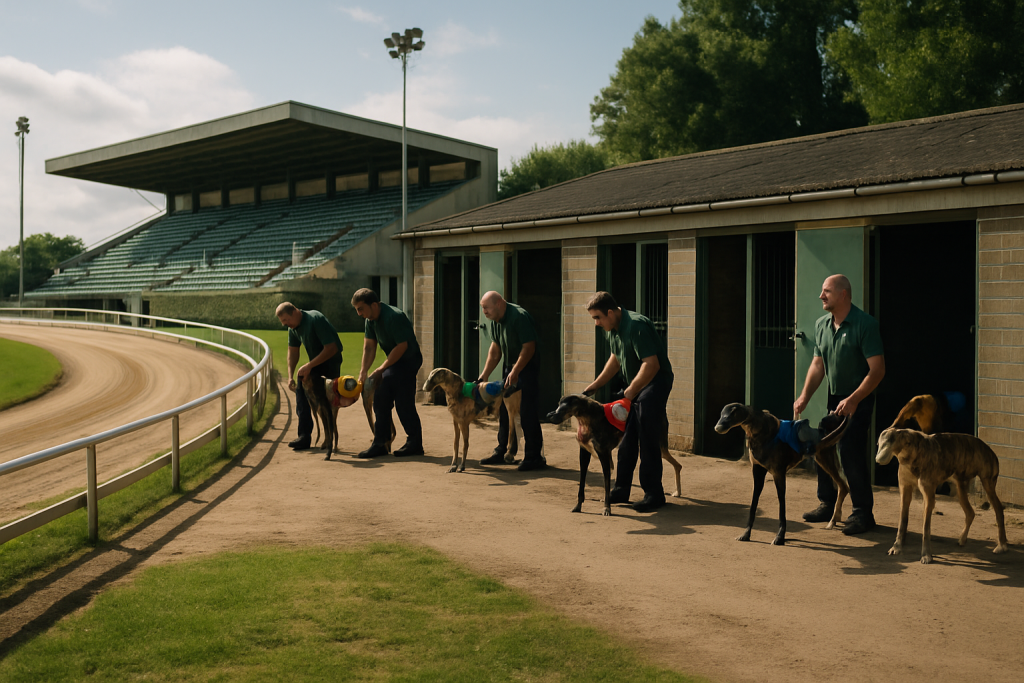
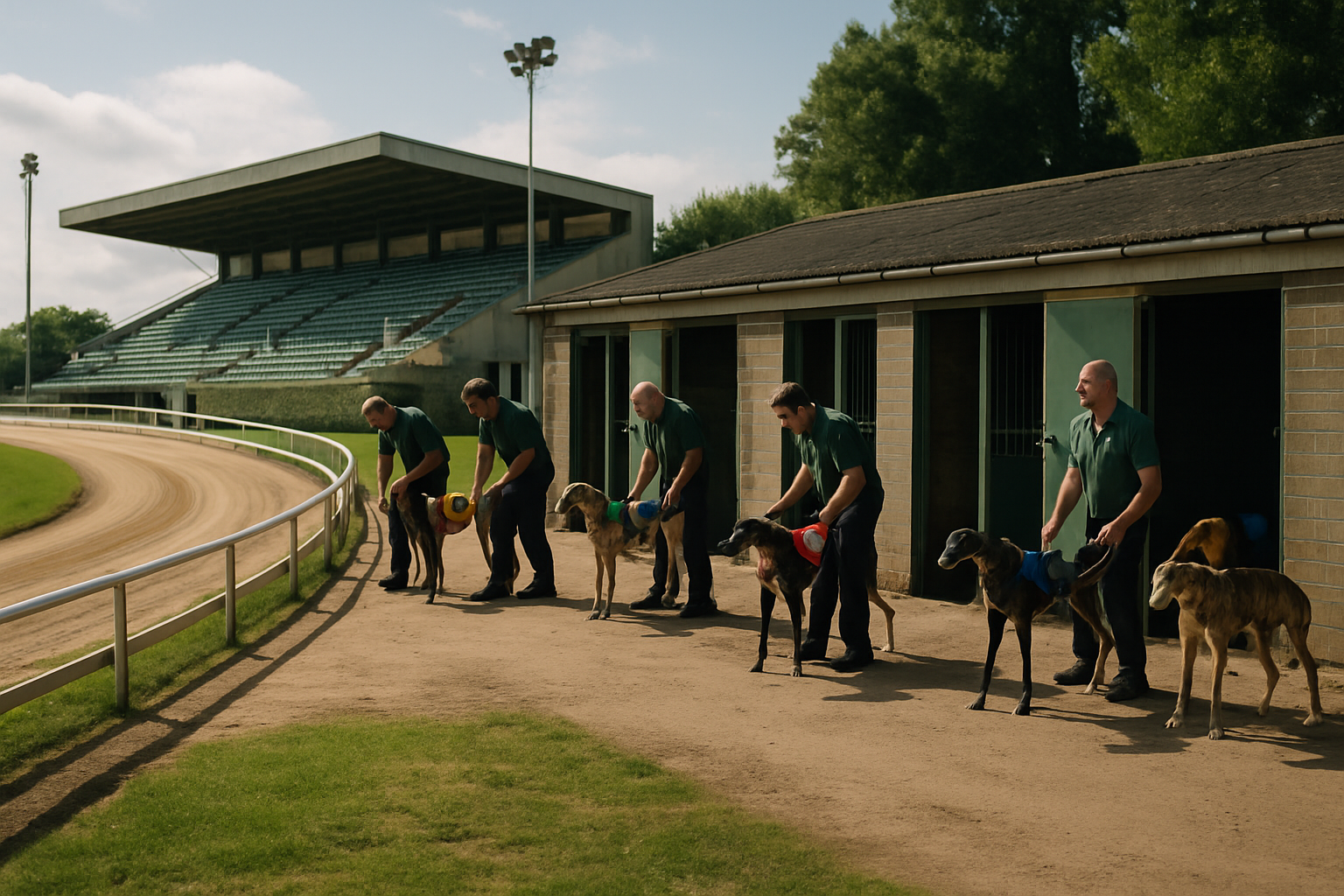
Preparing for a greyhound race day is a meticulous process that blends veterinary science, track engineering, and seasoned handler expertise to ensure every dog competes safely and at peak performance, while also delivering a seamless experience for spectators and regulators alike.
Comprehensive Facility Inspection Before the First Gate Opens
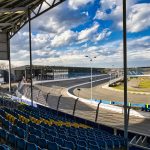
Every race day begins hours before the first greyhound steps onto the track, with a thorough walk‑through of the entire facility. Management teams verify that the kennels meet temperature and ventilation standards, that the isolation rooms are sanitized, and that the waste disposal systems operate without fail. This inspection also extends to public areas; seating, concession stands, and emergency exits are checked for compliance with local safety codes, guaranteeing a secure environment for both participants and fans.
In addition to visual checks, staff conduct functional tests on critical infrastructure such as lighting, sound systems, and timing equipment. Any malfunctioning timer or flickering light can compromise race integrity, so technicians calibrate electronic gates and ensure that the photo‑finish cameras are correctly aligned. By completing this exhaustive audit, the track eliminates last‑minute disruptions that could jeopardize the event’s credibility.
Track Surface Management and Weather Contingency Planning
The condition of the racing surface is a decisive factor in greyhound safety. Grounds crews assess the sand or loam composition, checking for consistency, moisture levels, and compaction. If the surface is too hard, water is lightly misted to prevent injuries; if it is overly soft, the track is rolled and excess moisture is removed. These adjustments are guided by industry‑standard measurements, such as the Penetrometer reading, to maintain an optimal balance that supports speed without increasing strain on the dogs’ joints.
Weather forecasts are reviewed the night before and again on race morning. When rain or extreme heat is predicted, contingency plans are activated. For rain, drainage systems are inspected, and temporary covers may be deployed to protect the start boxes. In hot conditions, shaded rest areas and misting fans are positioned near the kennels, and race schedules may be shifted to cooler evening hours. This proactive approach ensures that unpredictable weather does not compromise animal welfare or race outcomes.
Veterinary Health Checks and Pre‑Race Clearance
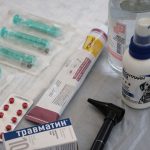
Each greyhound undergoes a mandatory veterinary examination before being cleared to run. Veterinarians evaluate heart rate, respiratory function, and musculoskeletal health, looking for signs of lameness, inflammation, or fatigue. Blood work may be performed to detect underlying infections or metabolic imbalances that could affect performance. Only dogs that meet strict health criteria are issued a race‑day clearance tag, which is scanned at the starting box to verify eligibility.
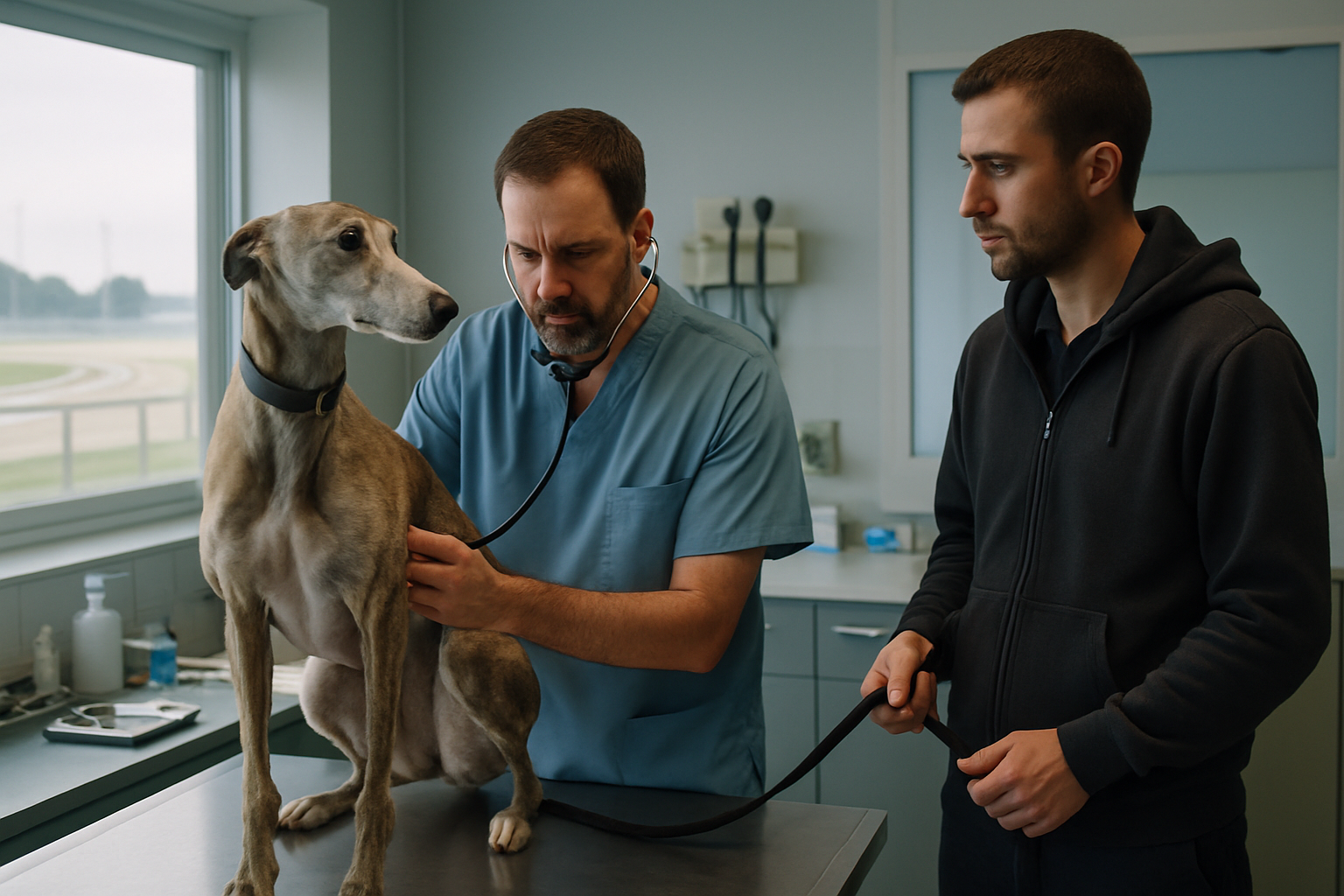
Beyond the on‑site exam, trainers must submit recent health documentation, including vaccination records and any medication logs. This transparency satisfies regulatory bodies and builds public confidence in the sport’s commitment to animal welfare. In cases where a dog fails the health screen, the veterinary team coordinates with the trainer to arrange immediate treatment and, if necessary, a temporary withdrawal from the event.
Nutrition, Hydration and Recovery Protocols
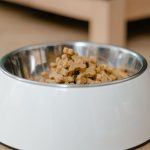
Optimal performance hinges on a carefully balanced diet tailored to each greyhound’s weight, age, and activity level. On race day, trainers provide a high‑energy, easily digestible meal 2–3 hours before the start, emphasizing lean proteins, complex carbohydrates, and essential fatty acids. Electrolyte‑enhanced water is offered continuously to maintain hydration, especially in warm climates where sweat loss can be significant.
After each run, a rapid recovery regimen is implemented. Cool‑down walks, gentle massage, and targeted stretching help reduce muscle soreness and prevent cramping. Some facilities employ cold‑water immersion tubs for a brief period, which has been shown to lower inflammation and expedite recovery. By integrating nutrition and recovery into the race‑day schedule, trainers maximize each dog’s ability to perform consistently across multiple heats.
Equipment Readiness: Leashes, Harnesses and Starting Boxes
Every piece of equipment is inspected for wear and safety before the first race. Leashes and harnesses are checked for fraying, proper fit, and secure buckles; any defective item is replaced instantly. Starting boxes, the mechanical gates that release the greyhounds, undergo a functional test to confirm smooth operation and synchronized timing, preventing false starts that could endanger the dogs.
Backup equipment is kept on hand to address any unforeseen failures. For instance, spare leashes of varying lengths are stored to accommodate dogs with differing stride patterns, while extra harnesses are available for quick swaps in case of unexpected sizing issues. This redundancy ensures that the race proceeds without interruption, preserving both the integrity of the competition and the safety of the participants.
Trainer and Handler Routine: Mental Preparation and Communication
Trainers and handlers play a pivotal role in calming nerves and focusing the greyhounds before they race. A consistent pre‑run routine—such as a brief walk, gentle vocal encouragement, and a tactile cue—helps the dogs associate the start line with positive reinforcement. Handlers also monitor each dog’s demeanor, looking for signs of anxiety or agitation that might indicate a need for additional calming measures.
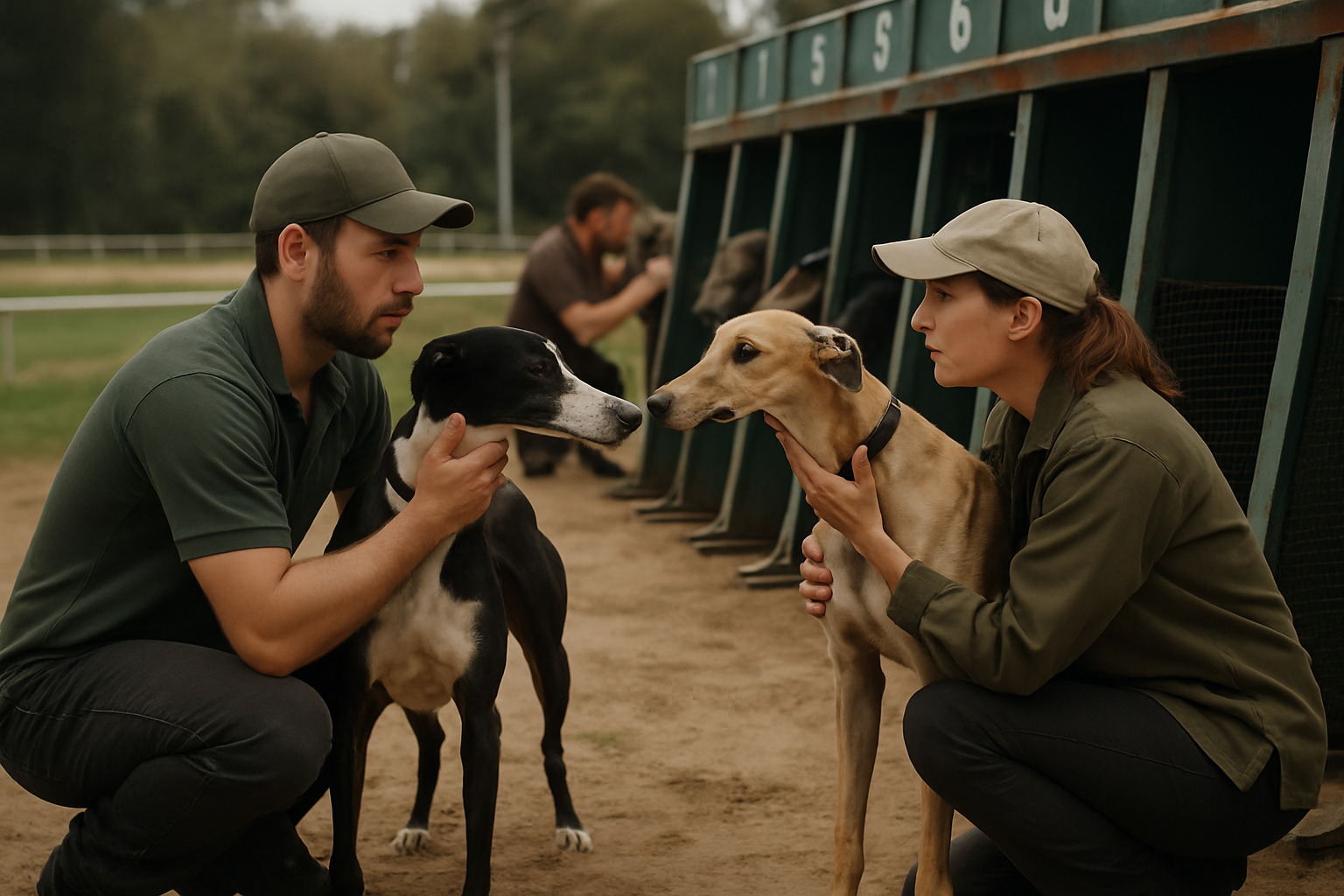
Effective communication between trainers, handlers, and race officials is essential. Handlers use standardized hand signals to convey the dog’s readiness, while race officials rely on clear verbal cues to coordinate gate releases. This synchronized dialogue minimizes missteps and ensures that each greyhound receives a fair and orderly start, which is critical for maintaining competitive balance and audience trust.
Regulatory Compliance, Documentation and Enhancing the Fan Experience
All race‑day activities are documented in a centralized log that tracks kennel conditions, veterinary clearances, equipment checks, and weather adjustments. This log is reviewed by the racing commission to verify compliance with animal welfare regulations and betting integrity standards. Accurate record‑keeping also facilitates post‑race analysis, allowing trainers to refine strategies based on performance data.
Beyond compliance, tracks invest in fan engagement to boost attendance and viewership. Real‑time race statistics, live commentary, and interactive displays are synchronized with the race schedule, offering spectators an immersive experience. By marrying rigorous preparation with transparent operations and entertaining presentation, greyhound race days achieve both sporting excellence and commercial success.

Growing up near the local track, I developed a lifelong fascination with the athleticism and strategy behind greyhound racing. I spend my free time analyzing past performances and studying breeding lines to better understand the nuances of every race. Sharing insights and celebrating the incredible speed of these dogs is what keeps me passionate about the sport.