Essential Greyhound Racing Terms
Understanding greyhound racing terminology is crucial for newcomers eager to enjoy this exciting sport. Mastering basic racing terms through a comprehensive greyhound glossary enhances appreciation and improves search visibility for enthusiasts seeking racing vocabulary explanations. This section breaks down essential concepts with clear definitions and practical examples to build confidence at the track.
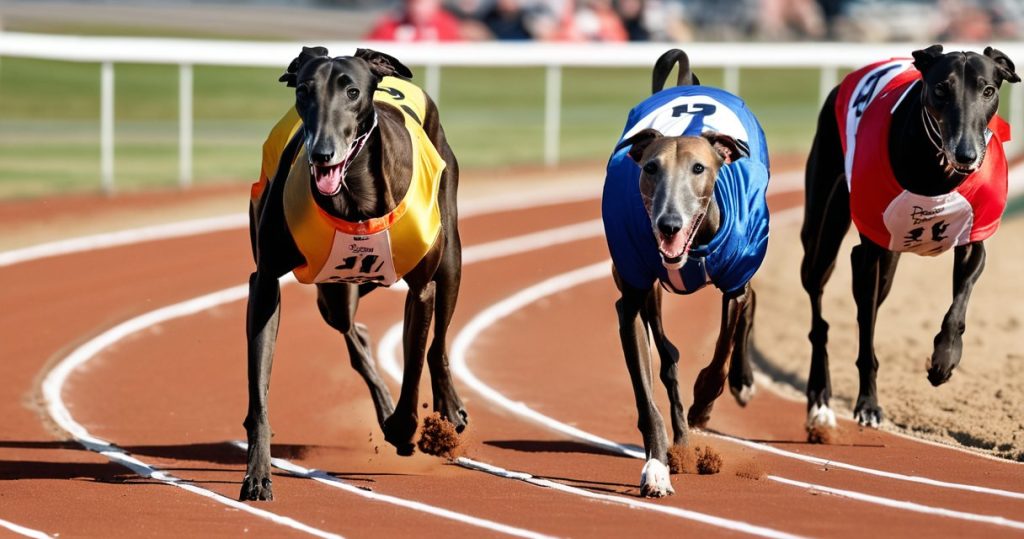
The term “trap” in greyhound racing terminology denotes the starting boxes numbered one through six or eight, depending on the track. For instance, the greyhound in Trap 3 starts from the middle position, which can influence its racing line and strategy during the initial sprint out of the boxes.
A “photo finish” happens when the outcome is too close to call by eye alone. Officials examine high-speed images to determine the winner, ensuring fairness in competitive events. The “going” refers to the condition of the racing surface, such as good, soft, or firm, which impacts greyhound performance and is a key factor in the greyhound glossary for bettors assessing conditions.
Odds indicate the likelihood of a particular dog winning and the potential return on a bet. An example would be odds of 4-1, meaning a successful $10 wager returns $40 plus stake. The “kennel” is the training and housing facility for racing greyhounds, where they receive care and preparation between meets under strict welfare standards.
Race “distance” varies, with shorter sprints testing speed and longer stays challenging stamina over several bends. Finally, the “finish line” marks the end point, often equipped with timing equipment for precise results. This foundational knowledge of racing vocabulary empowers fans to follow races intelligently and engage more deeply with the sport.
Track and Racing Surface Terminology
In greyhound racing, understanding track and racing surface terminology is crucial for bettors and trainers alike. Key greyhound track terms describe the various elements of the course that influence a dog’s performance. Racing surface vocabulary includes words for different materials and their conditions, which can significantly impact speed and traction. Track conditions vary with weather, altering how greyhounds navigate the course. Familiarity with these elements allows for better analysis of races and strategies.
The typical layout features an oval track with two straight sections and multiple bends. The first bend and second bend are critical points where dogs must maintain balance to avoid losing ground. Course terminology often refers to the rail position, as running close to the inside rail can provide a shorter path but increases collision risks during turns. Dogs positioned wide may have more room but cover extra distance on the turns.
Surfaces are usually composed of sand or a sand-loam mix, providing consistent grip under normal circumstances. However, wet weather can turn the track into a slippery surface, requiring strategic adjustments in pacing and starting positions. Dry conditions might lead to faster times but can create loose material that affects trailing dogs by reducing visibility and traction during the race.
Trainers study these factors to optimize race strategy based on individual dog strengths. For instance, dogs with strong bend-running abilities excel on tighter turns, while others prefer wider courses with gentler curves. Weather-related track conditions like heavy rain can favor front-runners who avoid the kicked-up debris from behind, changing the dynamics of the entire field and overall outcomes.
Additional terms include the home straight, where the final sprint occurs, and the winning line marking the end of the race. Understanding how track conditions evolve during a meet helps in predicting outcomes accurately. Proper knowledge of racing surface vocabulary ensures better preparation and informed decisions in this competitive sport, enhancing overall enjoyment and success for enthusiasts.
Betting and Wagering Vocabulary
Greyhound betting terms form the foundation of successful wagering in this fast-paced sport. Familiarizing yourself with a comprehensive wagering glossary ensures you understand every aspect of placing bets on greyhounds. Whether you’re a novice or experienced bettor, mastering these concepts enhances your enjoyment and potential returns at the track or via online platforms.

Odds terminology varies by region but commonly features fractional, decimal, and American formats in greyhound racing. Fractional odds like 4/1 indicate the profit relative to your stake. Decimal odds, such as 5.00, show the total payout including the original bet. American odds use plus and minus signs to denote underdogs and favorites respectively. Understanding these helps in comparing racing bets explained across different platforms and jurisdictions.
Basic wagering options include win, place, and show bets. A win bet succeeds only if your chosen greyhound crosses the finish line first. Place bets offer payouts for top two or three finishes, while show bets cover the top three positions. These straightforward greyhound betting terms suit beginners exploring the wagering glossary for the first time.
More advanced racing bets explained involve exotic wagers such as the quinella, which requires selecting the first and second place greyhounds regardless of order. Exacta demands correct order for those positions. Trifecta extends to three dogs, and superfecta to four. Boxed bets allow permutations for higher chances while each-way options combine win and place elements seamlessly.
Additional terms in the wagering glossary include forecasts for predicting exact orders and forecasts for multiple combinations. In greyhound racing, factors like trap draw, recent form, and starting positions influence odds terminology significantly. Bettors analyze these details to refine strategies and maximize value from various racing bets explained in guides and form charts.
By studying this wagering glossary, bettors can navigate greyhound betting terms confidently. Effective use of odds terminology and racing bets explained leads to smarter decisions and greater success whether wagering on local tracks or international greyhound events throughout the season.
Performance Metrics and Statistics Terms
Understanding greyhound stats terms helps bettors and trainers evaluate race outcomes with precision. Performance metrics such as sectional times and overall race duration reveal how quickly a greyhound covers each segment of the track. These measurements form the foundation of racing statistics that highlight strengths in early pace or finishing power.
Trap positions play a critical role in performance metrics because the starting box influences a greyhound’s path to the first bend. Inside traps often provide a shorter route, while outer traps may suit wide runners who prefer extra room. Historical data on trap statistics allows analysts to adjust expectations based on a dog’s past results from each position.
Speed ratings rank among the most valuable greyhound stats terms for comparing runners across different tracks and distances. Calculated from winning times adjusted for track conditions and going allowance, speed ratings create standardized benchmarks that simplify racing statistics analysis. Trainers use these ratings to identify improving greyhounds or those returning to peak form.
Sectional timing breaks a race into measurable parts, typically recording splits at the first bend, halfway point, and finish line. Combined with trap position data, these figures generate detailed performance metrics that expose tactical preferences. Historical data sets containing thousands of past runs enable accurate speed ratings that account for variables like wind and surface condition.
Modern racing statistics platforms aggregate trap performance, sectional splits, and speed ratings into comprehensive profiles. Bettors review career-best times, recent form trends, and average sectional times to forecast outcomes. This data-driven approach transforms raw results into actionable greyhound stats terms that guide selection decisions.
By studying trap advantages, sectional consistency, and adjusted speed ratings, enthusiasts build reliable performance metrics for every greyhound. Historical data remains essential because it contextualizes current racing statistics and reveals long-term patterns. Consistent application of these greyhound stats terms leads to sharper analysis of form and improved prediction accuracy across all grades of competition.
Health Training and Safety Terms
Greyhound health terms form the foundation of proper care in the sport, encompassing vocabulary for issues such as muscle strains, joint inflammation, and dehydration risks that can affect performance. Trainers must master these expressions to monitor animals effectively during intense schedules. Training vocabulary further supports this by detailing methods like interval sprinting, resistance drills, and structured cool-down protocols that build speed while protecting against fatigue. Racing safety standards integrate seamlessly here, requiring track evaluations, barrier maintenance, and muzzling procedures to reduce collision hazards during events.
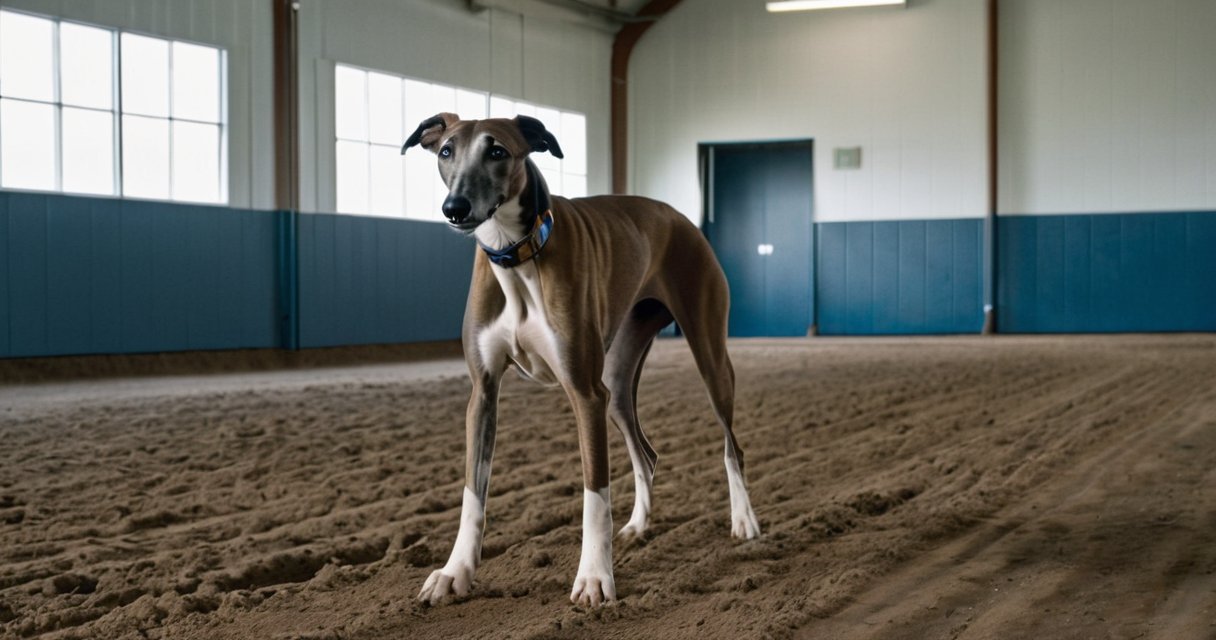
Dog welfare terms highlight the regulatory framework that governs ethical treatment, including mandatory veterinary oversight, anti-doping compliance, and retirement placement requirements. These guidelines ensure greyhounds receive balanced nutrition plans rich in proteins and supplements for recovery, alongside regular health screenings to catch problems early. Injury prevention strategies emphasize gradual conditioning, supportive bandaging, and environmental controls like temperature-regulated kennels to minimize stress-related conditions. By embedding racing safety into daily routines, participants uphold higher standards of protection throughout a dog’s career.
Effective training vocabulary also covers rest cycles and physiotherapy techniques that promote long-term resilience without overtaxing developing bodies. Greyhound health terms in this context often reference cardiac monitoring and tendon assessments to guide workload adjustments. Dog welfare terms reinforce accountability through documentation of all activities, fostering transparency and adherence to industry rules that prioritize animal well-being over competitive gains.
Ultimately, mastery of these interconnected concepts—greyhound health terms, training vocabulary, racing safety, and dog welfare terms—enables stakeholders to implement proactive measures. This integrated approach not only prevents injuries but also sustains the sport’s integrity by placing canine welfare at its core, resulting in healthier athletes and more responsible practices across facilities worldwide.

Growing up near the local track, I developed a lifelong fascination with the athleticism and strategy behind greyhound racing. I spend my free time analyzing past performances and studying breeding lines to better understand the nuances of every race. Sharing insights and celebrating the incredible speed of these dogs is what keeps me passionate about the sport.