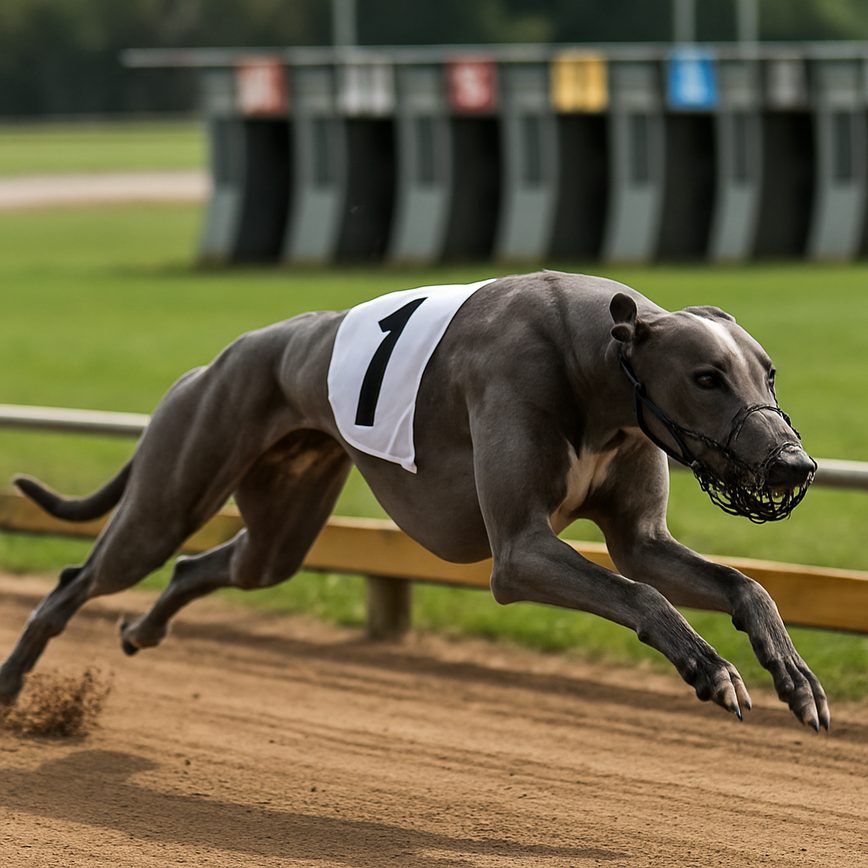
Introduction to Greyhound Racing Betting Odds
Greyhound betting odds are a fundamental aspect of greyhound racing that every bettor needs to understand to make informed wagers. These odds indicate the likelihood of a greyhound winning a race and help bettors assess potential returns on their bets. Understanding betting basics, especially how odds work, can significantly enhance the betting experience and improve the chances of making successful predictions.
In greyhound racing, betting odds essentially represent the probability of a particular dog finishing first. They are determined by factors such as the dog’s past performance, speed, track conditions, and the amount of money wagered on each dog by bettors. The odds provide a way to quantify these probabilities and are used to calculate how much money a winning bettor will receive relative to their stake.
There are different formats in which greyhound betting odds are displayed, including fractional, decimal, and moneyline odds. Fractional odds, common in the UK, are written as a fraction such as 5/1, meaning for every $1 wagered, the bettor wins $5 if the greyhound wins. Decimal odds, popular in Europe and Australia, show the total payout rather than just the profit. For example, decimal odds of 6.00 means a $1 bet would return $6 in total. Moneyline odds, often used in the US, are presented as positive or negative numbers showing how much you can win on a $100 bet or how much you need to bet to win $100.
Understanding these odds is crucial because they help bettors compare the value of different bets and decide which greyhound offers the best potential return. They also reflect the market’s opinion on each dog’s chances, with shorter odds indicating a favorite and longer odds signaling an underdog. Mastering greyhound betting odds is an essential step in learning the betting basics and becoming a more confident participant in greyhound racing events.
Types of Betting Odds in Greyhound Racing
In greyhound racing, understanding the types of odds is crucial for bettors looking to maximize their potential returns. The three main types of betting odds used are decimal odds, fractional odds, and moneyline odds, each offering a unique way to read and calculate potential winnings.
Decimal odds are popular in many parts of the world due to their simplicity. They represent the total payout rather than just the profit. For example, if the decimal odds are 3.00, a $10 bet would return $30 (including the original stake). Bettors can easily multiply their stake by the decimal number to find out their total winnings.
Fractional odds, commonly used in the UK, are presented as fractions such as 5/1 or 10/3. The first number indicates the potential profit, while the second number represents the stake. For instance, odds of 5/1 mean a bettor wins $5 for every $1 wagered, plus the original stake. These odds require a bit more calculation but are favored by traditional bettors.
Moneyline odds, or American odds, can be positive or negative and indicate how much a bettor must stake to win $100 or how much they will win from a $100 bet. Positive moneyline odds (e.g., +200) show the profit on a $100 bet, while negative odds (e.g., -150) show the amount needed to bet to win $100. This type is especially common in the United States.
By familiarizing themselves with these types of odds, bettors can better navigate greyhound racing betting and make informed decisions based on their preferred odds format.
How Odds Are Calculated
Bookmakers calculate greyhound racing odds by carefully assessing various factors to determine the probability of each dog winning. The initial odds reflect the bookmakers’ estimation of a greyhound’s chances based on past performance, training, track conditions, and other race-day variables. Probability is at the core of odds calculation, translating the likelihood of an outcome into numeric values that guide bettors.
In addition to the statistical probability, bookmakers continuously adjust odds according to the betting volume they receive. Heavy betting on a particular greyhound typically shortens the odds, indicating increased confidence in that dog’s potential to win. Conversely, if a greyhound attracts little betting interest, the odds lengthen to entice more wagers, balancing the bookmaker’s risk.
Race conditions such as track type, weather, and race distance also play a critical role in greyhound racing odds calculation. Bookmakers utilize detailed data to factor in how these elements might impact each competitor’s performance. This dynamic approach ensures that the odds remain reflective of real-time circumstances and provide fair value to bettors.
The ultimate goal for bookmakers is to set odds that accurately incorporate probability while safeguarding their profit margins through careful management of betting volume. Understanding how these odds are calculated can help bettors make more informed decisions and gain an edge in greyhound racing betting.
Strategies for Betting on Greyhound Racing Odds
When it comes to betting on greyhound racing odds, employing effective betting strategies is crucial for maximizing your chances of success. One of the foundational strategies is thorough odds analysis. Understanding how odds reflect the probability of each greyhound winning allows bettors to make more informed decisions rather than relying on gut feelings or favoritism.
Start by comparing the odds offered by different bookmakers and looking for discrepancies. These differences can highlight opportunities where a greyhound’s real chances of winning are underestimated by the market. This leads directly into the concept of value betting — spotting bets where the value of the potential payout outweighs the risk involved. Consistently finding value bets is a smart way to gain an edge over the bookmaker and improve long-term profitability.
Another essential greyhound betting tip is to manage your bankroll carefully. Setting a fixed budget for your bets and dividing it into units ensures that you don’t risk too much on any single race, helping to minimize losses during losing streaks. Sticking to a disciplined staking plan allows you to stay in the game longer and benefit from successful bets over time.
A deep dive into odds analysis also involves studying past performances, track conditions, and the form of the greyhounds. Combining these insights with the betting odds helps identify when the odds do not accurately reflect a greyhound’s true chances. This holistic approach is far more effective than blindly following popular picks or betting favorites without critical assessment.
To summarize, the best betting strategies for greyhound racing focus on diligent odds analysis, identifying value bets, and managing risk through careful bankroll control. By blending these elements into your approach and following established greyhound betting tips, you can enhance your betting decisions and improve your overall results in greyhound racing betting.
Analyzing Greyhound Form and Odds
Understanding greyhound form is a crucial aspect of performance analysis in greyhound racing betting. By examining a greyhound’s past performances—such as recent race results, consistency, and track conditions—bettors gain insight into the dog’s current condition and potential. This historical data forms the foundation for assessing how well a greyhound might perform in upcoming races.
When combined with odds reading, analyzing greyhound form becomes even more powerful. Betting odds reflect the collective judgment of the market, incorporating factors like a dog’s reputation, trainer statistics, and public sentiment. By comparing form details with the odds offered, bettors can identify whether a greyhound’s chances are accurately represented or if there is value to be found in the odds.
For instance, if a greyhound with strong recent performances is listed at longer odds than expected, it may signal an opportunity for betting success. Conversely, a favorite with inconsistent form might carry less value despite low odds. Effective performance analysis paired with careful odds reading helps bettors predict likely outcomes more reliably and make informed, strategic bets.
In summary, integrating greyhound form with betting odds enables a deeper understanding of race dynamics. This dual approach not only improves the accuracy of predictions but also enhances overall betting success by focusing on data-driven decision making rather than relying on intuition alone.
Finding and Betting on Value Odds
Value betting in greyhound racing involves identifying odds that are higher than the true probability of an outcome occurring. Instead of simply choosing the favorite or relying on gut feelings, smart betting focuses on finding undervalued odds where the payout justifies the risk. This approach requires a solid understanding of the race, the form of the greyhounds, and an analytical mindset to spot opportunities that other bettors might overlook.
To find value odds, bettors must first estimate the actual chance of a greyhound winning, often using statistics, past performance data, and track conditions. Once the true probability is assessed, it is converted into odds. If the bookmaker’s odds exceed these calculated odds, the bet represents value. For example, if a dog has a 25% chance of winning, the fair odds would be 4.0 (or 3/1). If the bookmaker offers 5.0, this is an undervalued odd and presents a value betting opportunity.
Consistently betting on value rather than favorites is key to long-term profitability in greyhound racing betting. While it may not guarantee wins every time, this strategy maximizes returns over time by exploiting the market’s inefficiencies. Smart bettors avoid emotional decisions and focus on disciplined betting patterns that prioritize value, reducing risk and improving overall betting outcomes.
Common Mistakes and How to Avoid Them
When it comes to greyhound racing betting odds, many bettors fall into common traps that can hinder their success. Understanding these pitfalls is crucial to bet smarter and improve your chances of winning. One frequent betting mistake is chasing losses. After a losing bet, some bettors are tempted to place bigger or more numerous wagers in an attempt to quickly recover their money. This emotional reaction often leads to poor decision-making, ignoring careful analysis of the odds and potential outcomes.
Another typical error is ignoring odds changes. Odds can fluctuate due to various factors such as last-minute information, betting volume, or insider knowledge. Ignoring these changes and sticking rigidly to initial bets can result in missed opportunities or unexpected losses. Savvy bettors monitor odds shifts closely and adjust their strategies accordingly, taking advantage of favorable movements and avoiding unfavorable ones.
Betting emotionally is also a critical pitfall among greyhound wagers enthusiasts. Whether it’s favoritism towards a specific dog or frustration over recent losses, letting emotions dictate decisions rather than logic and analysis often results in poor betting outcomes. Successful bettors maintain discipline by setting clear betting limits, sticking to research-based strategies, and not allowing feelings to drive their wager amounts or choices.
To avoid these common mistakes and bet smarter, follow some simple yet effective tips. First, always set a realistic budget for your betting activities and stick to it, avoiding the temptation to chase losses. Second, keep a keen eye on the odds and any changes that occur before placing your bets, as this information can be critical. Third, take time to research each race and greyhound’s form instead of relying on gut feelings or hunches. Finally, practice emotional control by making decisions based on data and objective analysis rather than personal bias or temporary frustration.
By recognizing these frequent odds pitfalls and implementing these strategies, you can significantly improve your greyhound racing betting experience. Avoiding common betting mistakes not only safeguards your bankroll but also enhances your ability to make informed bets, increasing your chances for consistent success in greyhound wagers.
Misunderstanding Odds and Probabilities
Misinterpretation of betting odds and misunderstanding the implied probabilities behind them can lead bettors into common pitfalls, resulting in poor betting decisions. Many betting myths arise from a lack of clear odds education, causing bettors to overestimate or underestimate the true likelihood of outcomes. For example, mistaking odds of 2.0 as a guaranteed 50% chance to win overlooks the bookmaker’s margin and how probability is actually calculated. This probability error can cause bettors to place wagers with unrealistic expectations, often culminating in losses.
To avoid these frequent errors, it is essential to deepen your understanding of how odds reflect implied probability. Odds represent the chance of an event happening, but they must be converted correctly to see the true likelihood. Learning to use formulae or betting calculators to translate odds into percentage probabilities is a fundamental step towards smarter betting. Additionally, recognizing that bookmakers include an overround or vigorish in their odds can help bettors adjust their strategy to identify value bets rather than simply betting on favorites.
Ultimately, better odds education empowers bettors to dispel common betting myths and make informed decisions based on calculated probability rather than intuition or guesswork. Understanding the relationship between odds and probabilities equips you with the analytical tools necessary for responsible and strategic betting, reducing the risk of costly mistakes caused by misreading or misinterpreting betting data.
Ignoring Market Movements and Odds Fluctuations
Ignoring odds movement and market changes can significantly harm your betting results in greyhound racing. The betting market is dynamic, with odds continuously shifting based on new information, betting volumes, and other external factors. When bettors overlook these fluctuations, they miss valuable insights into how the market perceives each greyhound’s chances. This oversight can lead to placing bets with less favorable odds or on dogs that the market has indicated may have a reduced likelihood of winning.
Tracking odds movement allows bettors to time their bets more effectively, capitalizing on early value or avoiding late unfavorable shifts. Understanding market changes can also highlight trends that indicate insider knowledge or sharp money moving in, which can be crucial for making informed decisions. In-play betting, where odds fluctuate rapidly during the race, especially benefits from real-time attention to these shifts, enabling bettors to adjust their strategies accordingly. Consequently, disregarding these movements may result in missed opportunities and increased risks.
Ultimately, paying close attention to the ebb and flow of betting odds and market behavior empowers bettors to place smarter wagers with improved timing. This proactive approach contrasts sharply with static betting practices, helping to enhance the potential for consistent profits in the competitive environment of greyhound racing.

Growing up near the local track, I developed a lifelong fascination with the athleticism and strategy behind greyhound racing. I spend my free time analyzing past performances and studying breeding lines to better understand the nuances of every race. Sharing insights and celebrating the incredible speed of these dogs is what keeps me passionate about the sport.