Greyhound racing, a sport that has captivated audiences for decades, involves not just the thrill of competition but also a commitment to the safety and well-being of the dogs involved. Safety equipment plays an essential role in protecting these athletes as they race at high speeds around the track. This article explores the various safety equipment used in greyhound racing, their importance, and how they contribute to creating a safer environment for both the dogs and their handlers.
The Importance of Safety Equipment in Greyhound Racing
Safety equipment is crucial in greyhound racing due to the inherent risks involved in this high-speed sport. The dogs can reach speeds of up to 45 miles per hour, which increases the potential for accidents and injuries. Implementing safety measures helps mitigate these risks, ensuring the dogs can compete without undue harm. This commitment to safety not only protects the animals but also enhances the integrity of the sport, promoting a positive image to fans and potential new participants.
Furthermore, the welfare of greyhounds is increasingly under scrutiny from animal rights advocates and regulatory bodies. As a response, racing organizations have adopted stricter safety standards and protocols. This includes investing in modern safety equipment and ensuring that all personnel are trained in emergency response procedures. Such measures demonstrate a proactive approach to animal welfare, which is vital for the sport’s future.
Types of Safety Equipment Used in Greyhound Racing
Several types of safety equipment are standard in greyhound racing, each designed to address specific risks. One of the most important is the starting box, which is equipped with mechanisms to ensure the dogs are released safely and simultaneously. These starting boxes are designed to minimize the risk of collisions as the dogs sprint from the gate.
Additionally, safety muzzles are commonly used during races to prevent dogs from biting each other or themselves, especially in the event of a fall or collision. These muzzles are made from lightweight materials that do not hinder the dogs’ ability to breathe or run but provide a necessary safety measure. The use of muzzles is a point of contention, but when used correctly, they can help keep all participants safe.
Track Surface and Safety Measures
The track surface is another critical component of safety in greyhound racing. Most tracks are designed with materials that provide adequate grip while minimizing the risk of injury. For instance, synthetic surfaces are becoming increasingly popular as they offer a consistent running experience and reduce the chances of slips and falls. These surfaces are also easier to maintain and can be tailored to provide optimal traction for the dogs.
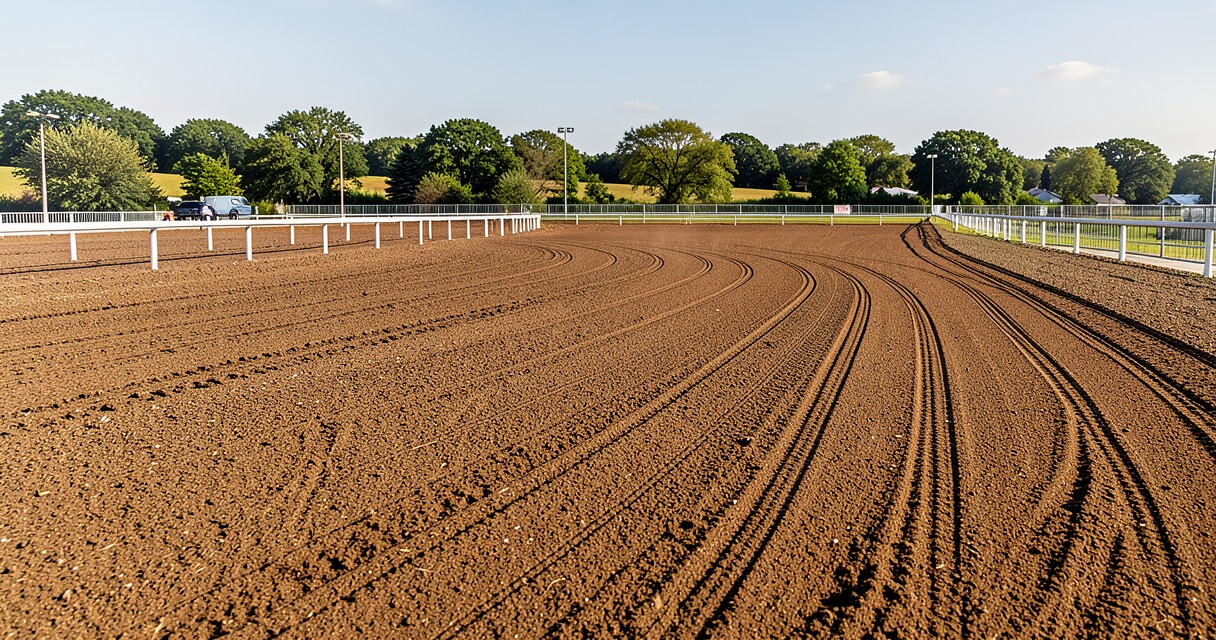
Regular inspections and maintenance of the track are vital to ensure its safety. Racing organizations often have protocols in place for checking the surface for any irregularities or hazards. This includes monitoring for debris, wear and tear, or any other conditions that could compromise the safety of the dogs. By prioritizing track maintenance, organizations can reduce the likelihood of accidents during races.
Veterinary Oversight and Medical Equipment
Veterinary oversight is a fundamental aspect of ensuring safety in greyhound racing. Pre-race examinations by qualified veterinarians help identify any health issues that may pose risks during competition. This includes checking for injuries, assessing overall fitness, and ensuring that the dogs are in optimal condition to race. The presence of veterinarians at races is not just a regulatory requirement; it reflects a commitment to the health and safety of the animals.
In addition to pre-race checks, medical equipment is essential for treating any injuries that occur during a race. On-site veterinary clinics equipped with advanced medical tools allow for immediate treatment of injuries, ranging from minor abrasions to more severe conditions. This ensures that injured dogs receive prompt care, which can significantly improve their recovery time and overall prognosis.
Training and Safety Protocols for Handlers
The safety of greyhounds also depends on the handlers and their understanding of safety protocols. Training programs for handlers often include education on how to properly use safety equipment, recognize signs of distress in the dogs, and respond to emergencies. Handlers play a vital role in the day-to-day care of the dogs, and their knowledge can significantly impact the animals’ safety during races.
Additionally, implementing safety drills and simulations can prepare handlers for various scenarios, including accidents or medical emergencies. These practices not only improve the handlers’ response time but also foster a culture of safety that prioritizes the well-being of the dogs. By ensuring that all personnel are well-trained, racing organizations can create a safer environment for both dogs and staff.
Technological Innovations in Safety Equipment
As technology advances, so does the safety equipment used in greyhound racing. Innovations such as GPS tracking collars provide real-time data on a dog’s performance and health during races. These collars can monitor heart rates and other vital signs, allowing veterinarians and handlers to assess a dog’s condition instantly. Such technology can be invaluable in identifying potential health issues before they escalate into serious problems.
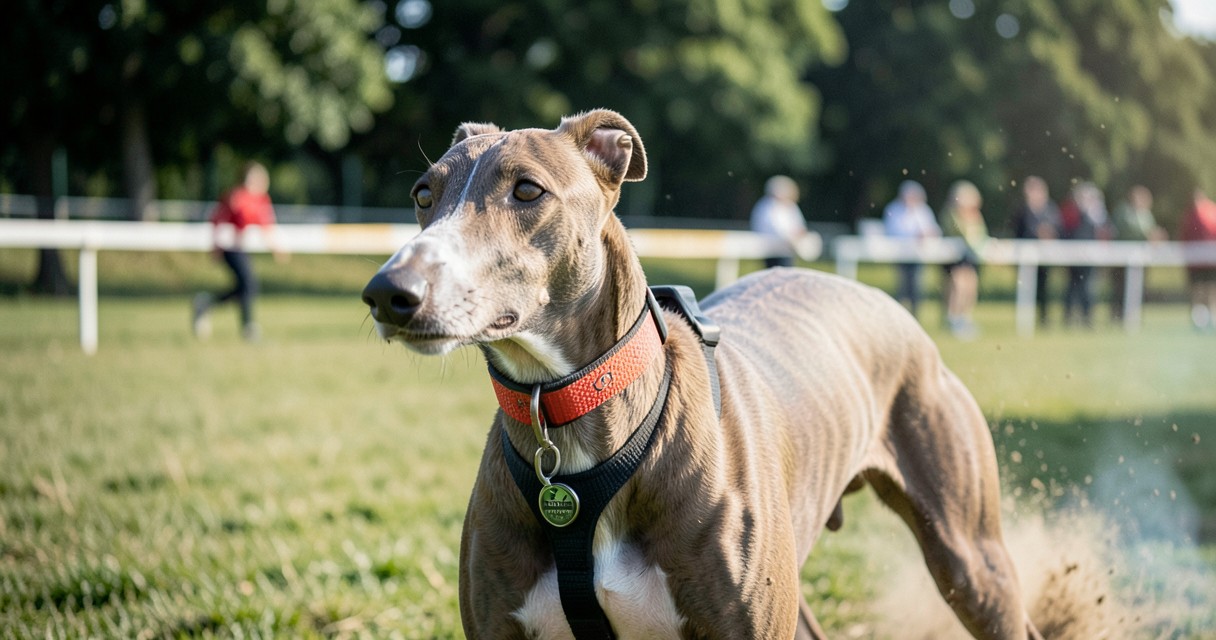
Additionally, advancements in materials science have led to the development of lighter and more durable safety gear, including muzzles and harnesses. These improvements ensure that the equipment does not hinder the dogs’ performance while providing maximum protection. The integration of technology into safety equipment represents a significant step forward in enhancing the welfare of racing greyhounds.
Regulations and Compliance in Greyhound Racing
Regulatory bodies play a crucial role in ensuring that safety equipment is used appropriately in greyhound racing. Organizations such as the National Greyhound Association (NGA) and various state racing commissions establish guidelines for safety practices, including the mandatory use of certain equipment. Compliance with these regulations is essential for tracks to operate legally and ethically.
Failure to adhere to safety regulations can result in penalties, including fines or even the suspension of racing licenses. This regulatory oversight encourages tracks to maintain high safety standards and invest in the necessary equipment to protect the dogs. As the sport evolves, ongoing dialogue between racing organizations, regulators, and animal welfare advocates is essential to ensure that safety measures continue to improve.

Growing up near the local track, I developed a lifelong fascination with the athleticism and strategy behind greyhound racing. I spend my free time analyzing past performances and studying breeding lines to better understand the nuances of every race. Sharing insights and celebrating the incredible speed of these dogs is what keeps me passionate about the sport.