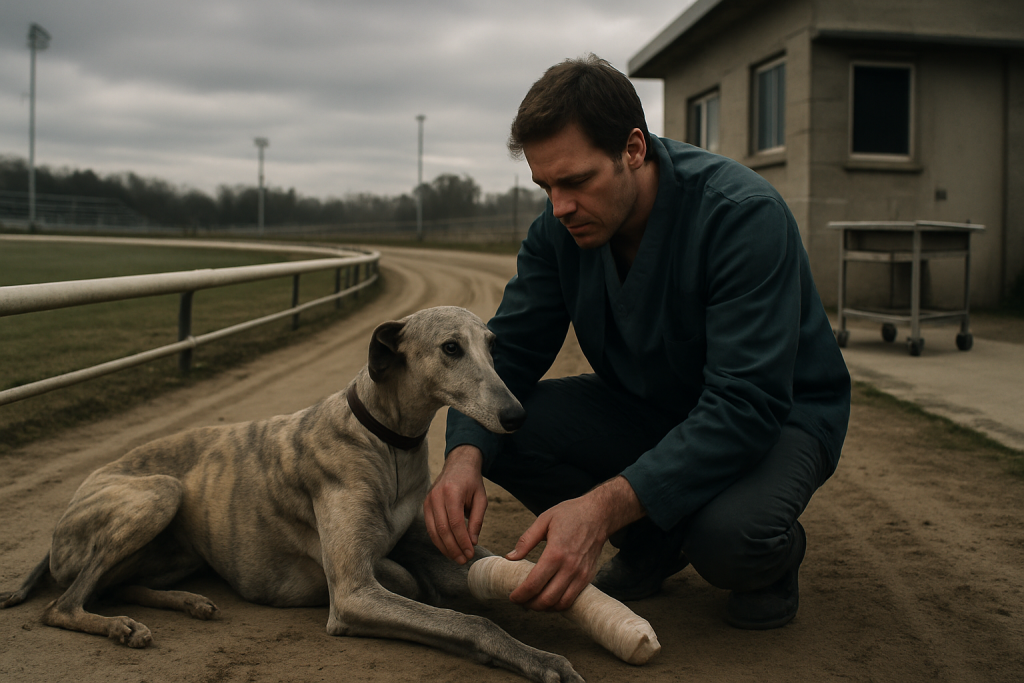
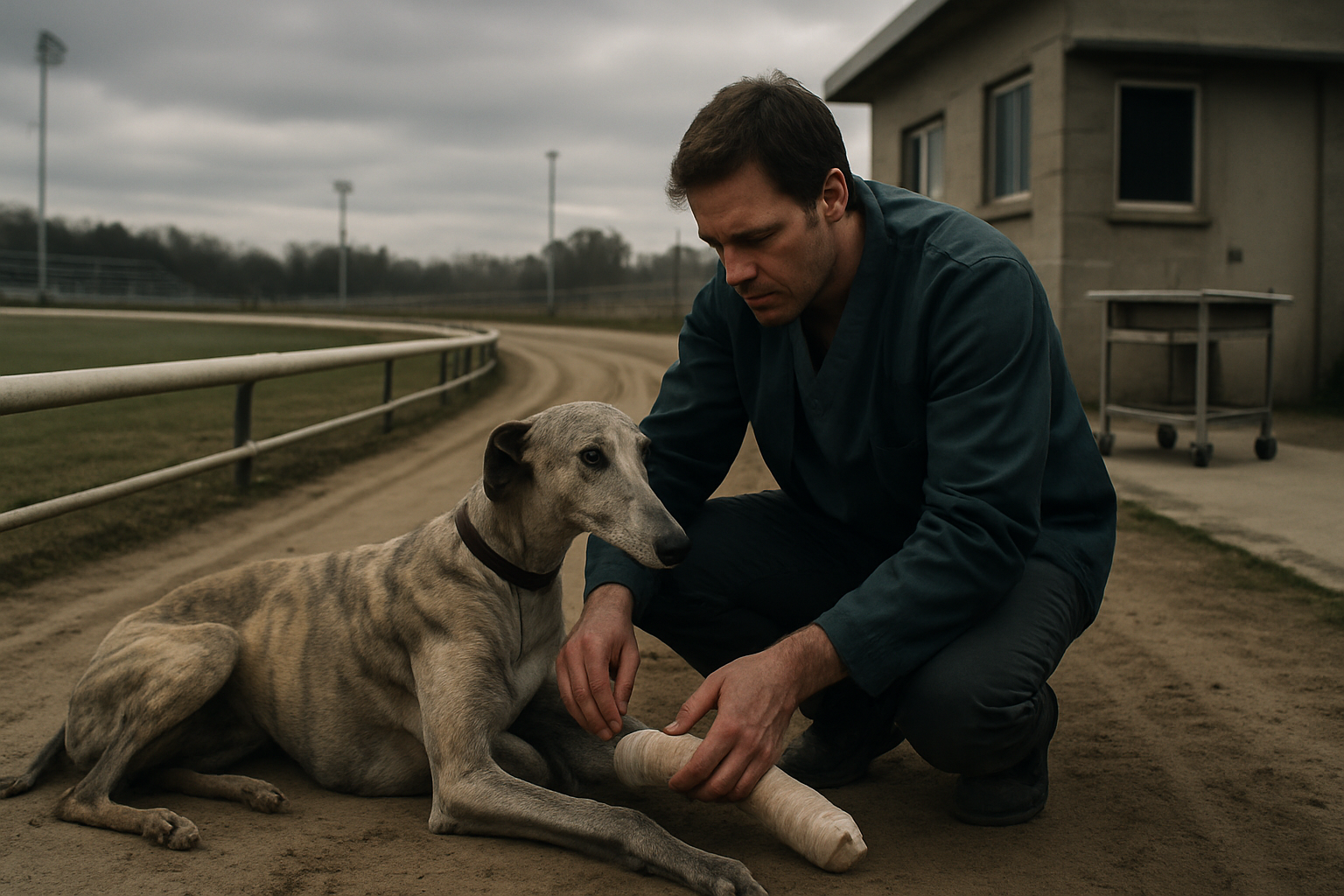
Greyhound racing, once celebrated for its speed and spectacle, has become synonymous with a hidden epidemic of injuries and fatalities that affect thousands of dogs each year. From broken legs to fatal head trauma, the sport’s high‑velocity demands place these sighthounds under extreme physiological stress, often with devastating consequences. Understanding the scale, causes, and long‑term implications of these injuries is essential for anyone concerned about animal welfare, racing regulation, or the future of greyhound sport.
The Scope of Injuries in U.S. Greyhound Racing
Between 2015 and 2024, documented injuries among American racing greyhounds reached an alarming 7,999 cases, according to industry monitoring groups. The most frequent injury was a fractured leg, a pattern that mirrors the musculoskeletal strain commonly seen in elite sprint athletes. Other recorded traumas included head injuries, electrocution incidents, and vertebral fractures, each contributing to a cumulative burden of suffering that goes far beyond the visible bruises on the track.
Geographic breakdown reveals stark disparities. In West Virginia, two tracks reported a staggering 5,647 injuries over the same period, with at least 123 dogs either dying on‑site or being euthanized due to the severity of their wounds. Texas, where greyhound racing has since ceased, logged 396 injuries and 17 deaths between 2015 and 2020. Even states that have shuttered their tracks, such as Arkansas and Iowa, still show historic injury tallies—899 and 307 respectively—highlighting a legacy of harm that persists long after the final race was run.
Australian Insights: A Parallel Crisis Down Under
Australia’s greyhound industry mirrors the United States in both scale and severity of injuries. Annual steward reports compiled by the Coalition for the Protection of Greyhounds document a consistent pattern: leg fractures dominate the injury list, with many cases classified as “Category D” injuries requiring a 28‑ to 90‑day stand‑down period. Serious injuries—those demanding at least 60 days of recovery—are predominantly orthopedic, indicating that the stresses of racing regularly exceed the dogs’ physiological limits.
One tragic 2025 incident involved a two‑year‑old greyhound named Shirl’s Rocket, who attempted to hurdle a running rail, suffered multiple rail contacts, and incurred catastrophic leg and spinal damage. The industry veterinarian was forced to euthanize the animal on the track, a stark illustration of how track design flaws can translate directly into fatal outcomes.
Biomechanics Behind the Broken Leg Epidemic
Greyhounds are built for sprinting, with a lightweight frame, elongated limbs, and a highly elastic Achilles tendon. However, the rapid acceleration to speeds exceeding 45 miles per hour places extraordinary torque on the femur, tibia, and associated soft tissue structures. When a dog’s foot strikes a hard surface at such velocity, the impact force can exceed 1,500 newtons, often surpassing the bone’s ultimate tensile strength and leading to fractures.
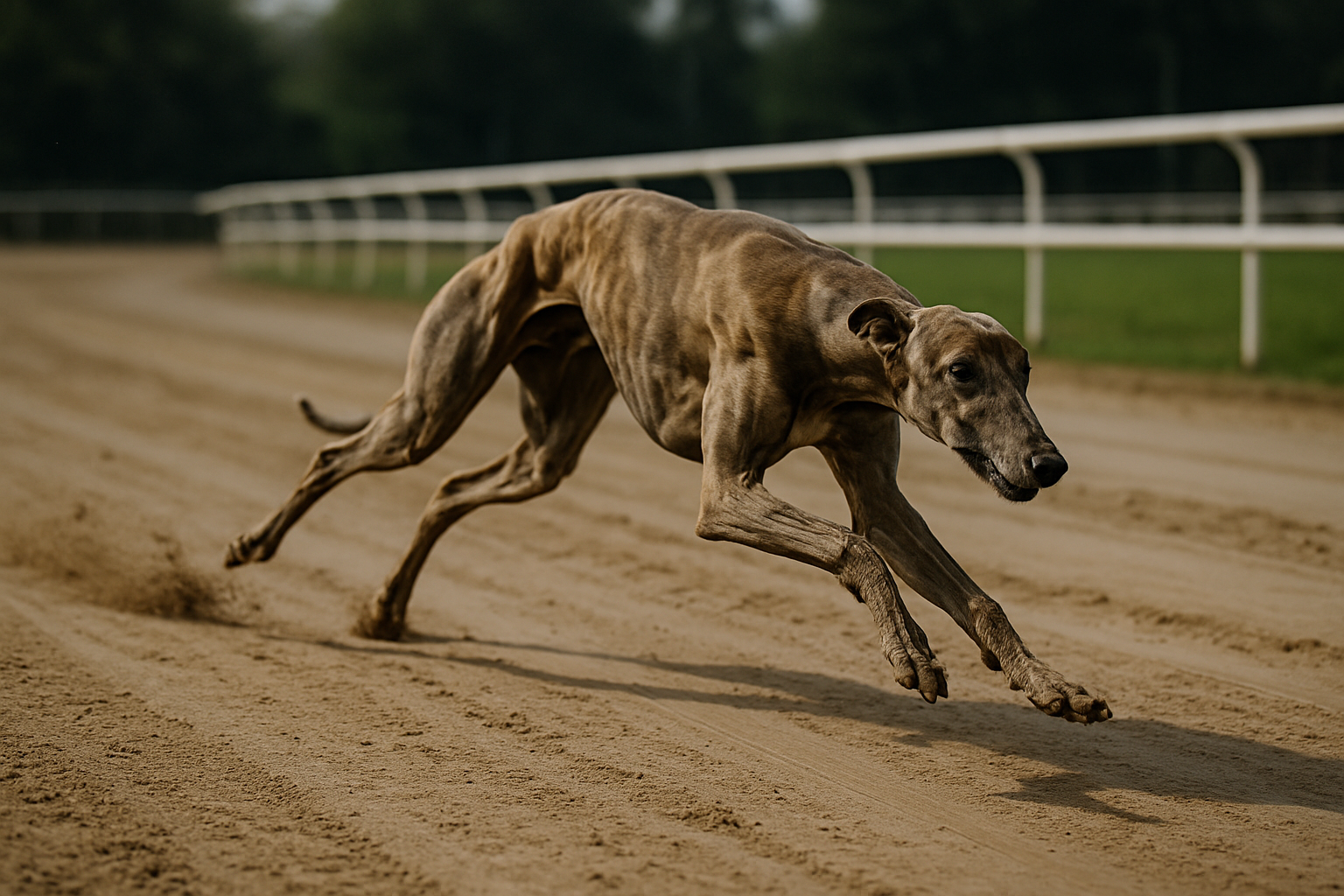
Compounding the problem, many tracks use compacted sand or synthetic surfaces that lack the shock‑absorbing qualities of natural turf. Without adequate cushioning, the kinetic energy from each stride is transmitted directly to the skeletal system, increasing the likelihood of both acute fractures and micro‑damage that can evolve into chronic stress fractures over a racing season.
Soft‑Tissue Injuries and Lacerations: Hidden Yet Harmful
Beyond broken bones, greyhounds frequently sustain soft‑tissue injuries such as muscle strains, tendon ruptures, and ligament tears. These injuries often go unreported because they may not result in immediate immobilization, yet they can cause lingering pain and reduced performance. Lacerations, typically caused by contact with track rails or debris, are another common affliction. While a superficial cut may heal quickly, deeper wounds can become infected, leading to secondary complications that sometimes necessitate euthanasia.
Veterinary assessments categorize soft‑tissue injuries by required recovery time, with “Category D” injuries demanding at least a month off the track. This downtime not only affects the dog’s physical health but also its economic value to owners, creating a pressure to return to racing before full healing has occurred.
Risk Factors Unique to Greyhound Racing
Several industry‑specific factors amplify injury risk. First, the frequency of races—often multiple runs per week—offers insufficient recovery periods for musculoskeletal repair. Second, the use of “starting boxes” that release a sudden burst of air can cause a rapid, uncontrolled launch, increasing the chance of missteps or collisions with the rail. Third, the practice of “hand‑leading” injured dogs back to kennels can exacerbate existing wounds if the animal is not properly supported.
Additionally, genetic selection for speed over durability has narrowed the gene pool, potentially reducing natural resilience to trauma. When combined with high‑intensity training regimens that prioritize speed drills over strength conditioning, the cumulative effect is a population of dogs highly predisposed to injury.
Long‑Term Consequences and Post‑Racing Welfare
Even when a dog survives a racing injury, the long‑term repercussions can be severe. Chronic osteoarthritis develops in a majority of greyhounds that have suffered a fracture, leading to lifelong pain and reduced mobility. Dogs that experience head trauma may develop neurological deficits, including seizures or behavioral changes, that are often misinterpreted as temperament issues rather than injury sequelae.

Retirement outcomes vary dramatically. Some former racers find homes through adoption programs, yet many are euthanized because of irreversible injuries or the cost of ongoing veterinary care. The disparity between the numbers of injured dogs and the capacity of rescue organizations underscores a systemic failure to protect animal welfare beyond the racetrack.
Mitigation Strategies and Industry Reform
Addressing the injury crisis requires a multifaceted approach. Improving track surfaces with high‑traction, shock‑absorbing materials can reduce impact forces on the limbs. Implementing stricter race‑frequency limits would allow adequate healing time, while mandatory pre‑ and post‑race veterinary examinations could identify early signs of stress injuries before they become catastrophic.
Regulatory bodies should also enforce transparent reporting of all injuries and deaths, a practice currently hampered by inconsistent data collection. By mandating standardized injury logs and public disclosure, stakeholders can monitor trends, enforce accountability, and drive evidence‑based reforms that prioritize the health of the greyhounds over short‑term profit.

Growing up near the local track, I developed a lifelong fascination with the athleticism and strategy behind greyhound racing. I spend my free time analyzing past performances and studying breeding lines to better understand the nuances of every race. Sharing insights and celebrating the incredible speed of these dogs is what keeps me passionate about the sport.