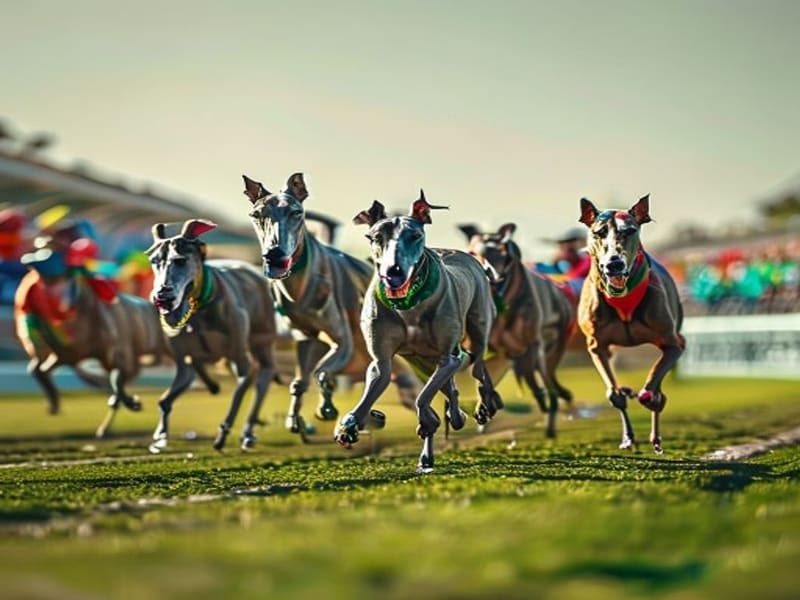
Greyhound racing may look simple—six pups sprint for a few seconds, and the fastest wins. Yet the betting side is a nuanced battlefield where the slightest oversight can erode even the most disciplined bankroll. Understanding the common pitfalls is the first step toward building a profitable edge. Below we dissect the most frequent mistakes that derail bettors, explain why they matter, and provide concrete tactics to avoid them.
Relying on Appearance Instead of Full Form Analysis
Many newcomers judge a greyhound by its sleek coat or a flashy headline, assuming that looks translate directly into speed. In reality, a dog’s recent race history, distance preferences, and consistency are far more predictive. Ignoring a thorough form review means missing signals such as a gradual decline in finishing times or a pattern of poor starts that may not be obvious from a single performance.
Seasoned bettors compile a multi‑race window, compare split times, and note any changes in trainer or kennel. They also track how a dog reacts to different track surfaces and weather conditions. By integrating these data points, you can spot hidden value in a long‑shot that appears unremarkable at first glance, while steering clear of a “pretty” favorite that is actually past its peak.
Overvaluing Trap Bias Without Considering the Whole Field
Trap bias—where certain starting positions historically produce better outcomes—can be a useful edge, but it is not a guarantee. A popular trap may have a slight advantage on a particular track, yet the overall quality of the dogs in a given race can neutralize that benefit. Betting solely on trap numbers disregards the individual abilities and recent performances of the competitors.
A balanced approach examines trap bias alongside pace forecasts and class assessments. For example, a strong front‑runner drawn in an unfavourable trap may still dominate if the early pace suits its running style. Conversely, a dog in a “good” trap that consistently struggles with early speed may be a false promise. Integrating trap data with a broader analytical framework preserves the edge without falling into a simplistic trap‑centric mindset.
Bankroll Mismanagement and Inconsistent Staking
One of the most destructive habits is betting a large portion of your bankroll on a single “sure thing.” Even experienced bettors encounter unexpected upsets, and an all‑in approach leaves little room for recovery. The result is a rapid depletion of funds and an emotional spiral that often leads to reckless follow‑up bets.

Professional bettors adopt a staking plan that aligns bet size with confidence level. A common method is the flat‑bet system, where each wager represents a fixed percentage—typically one to two percent—of the total bankroll. More sophisticated strategies, such as the Kelly criterion, adjust stakes based on the perceived edge, ensuring that larger edges receive proportionally larger bets while protecting the bankroll during dry spells. Consistency in staking protects you from variance and keeps the betting experience sustainable.
Chasing the Favourite and Ignoring Value Odds
Bookmakers frequently highlight the favourite, inflating its appeal with media coverage and lower odds. However, statistics show that favourites win less than 30 % of UK greyhound races, meaning the market often overprices them. Betting on the favourite simply because it looks popular or because “everyone else is doing it” can erode profitability.
Sharp bettors search for value—situations where the odds offered exceed the true probability of winning. This often involves identifying under‑ranked dogs with solid form, favorable trap draws, or advantageous pace scenarios. By placing wagers on these undervalued contenders, you capture higher returns when they succeed, while still maintaining a diversified portfolio that includes occasional favourites when the odds truly reflect a strong edge.
Neglecting Pace Mapping and Class Transitions
Greyhound races are not uniform sprints; each race has its own pace narrative shaped by the early speed of the front‑runners and the stamina of the closers. Pace mapping—projecting the likely race shape based on each dog’s historical speed—helps predict which dogs will thrive in a given scenario. Overlooking this factor can lead to betting on a dog that simply cannot keep up with the anticipated early tempo.
In addition, class transitions—moving a dog up or down in competition level—must be weighed carefully. A dog stepping up to a higher class may struggle against more seasoned rivals, while a dog dropping a class could dominate. Combining pace forecasts with class analysis lets you pinpoint dogs that are well‑matched to the expected race dynamics, improving the accuracy of your selections.
Disregarding Race‑Day Variables Like Weather and Track Condition
External conditions such as rain, temperature, and track surface can dramatically alter a race’s outcome. A wet track may favour dogs with a powerful drive and good footing, while a fast, dry surface benefits those with high top speed. Ignoring these variables means you miss a crucial layer of information that can swing the odds in your favour.
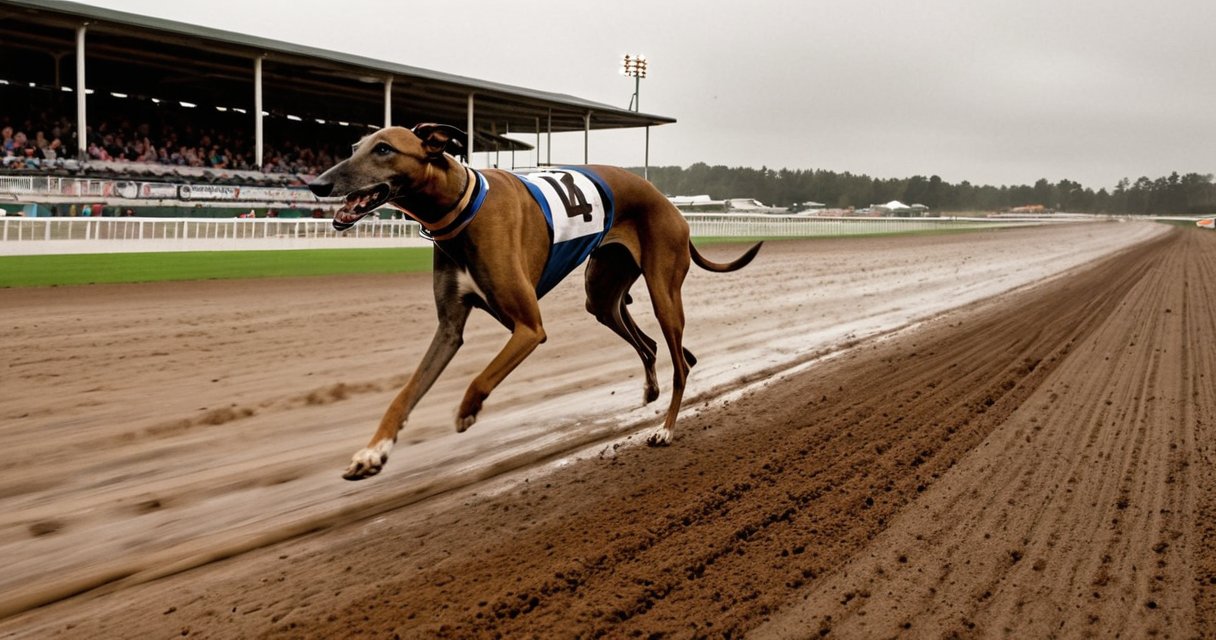
Seasoned bettors monitor weather reports, track maintenance updates, and even the time of day a race is run. They also review how individual dogs have performed under similar conditions in the past. By adjusting your selections to align with the prevailing environment, you can exploit situations where a less‑favoured dog has a hidden advantage, turning ordinary bets into profitable opportunities.
Misunderstanding Betting Rules and Settlement Procedures
Even the most analytically sound selections can be undone by a lack of familiarity with betting rules. For instance, many punters assume place bets are available, only to discover they are voided on most greyhound platforms. Additionally, bets placed after the official off‑time are automatically void, and any changes to the field—such as a non‑runner—affect the settlement of existing wagers.
To avoid costly surprises, always read the terms of each betting site, noting which bet types are accepted, how non‑runners are handled, and when odds are fixed. Understanding that settlements are based on the official result, irrespective of post‑race disqualifications, ensures that you can plan your risk exposure accurately and avoid disputes that erode confidence.

Growing up near the local track, I developed a lifelong fascination with the athleticism and strategy behind greyhound racing. I spend my free time analyzing past performances and studying breeding lines to better understand the nuances of every race. Sharing insights and celebrating the incredible speed of these dogs is what keeps me passionate about the sport.