Greyhound racing has long been a staple of the UK betting landscape, but the way punters engage with the sport is evolving faster than the dogs sprint around the track. From the rise of mobile platforms to sophisticated data‑driven analysis, betting trends in greyhound racing are reshaping profit opportunities, risk management, and even the sport’s popularity. Understanding these trends is essential for both casual fans and seasoned bettors who want to stay ahead of the curve. In this article we break down the most influential developments—track‑specific odds patterns, the growth of in‑play wagering, the impact of form‑analysis tools, and the shifting regulatory environment—so you can make more informed wagers and capitalize on the latest market dynamics.
Shift Toward Online and Mobile Betting Platforms
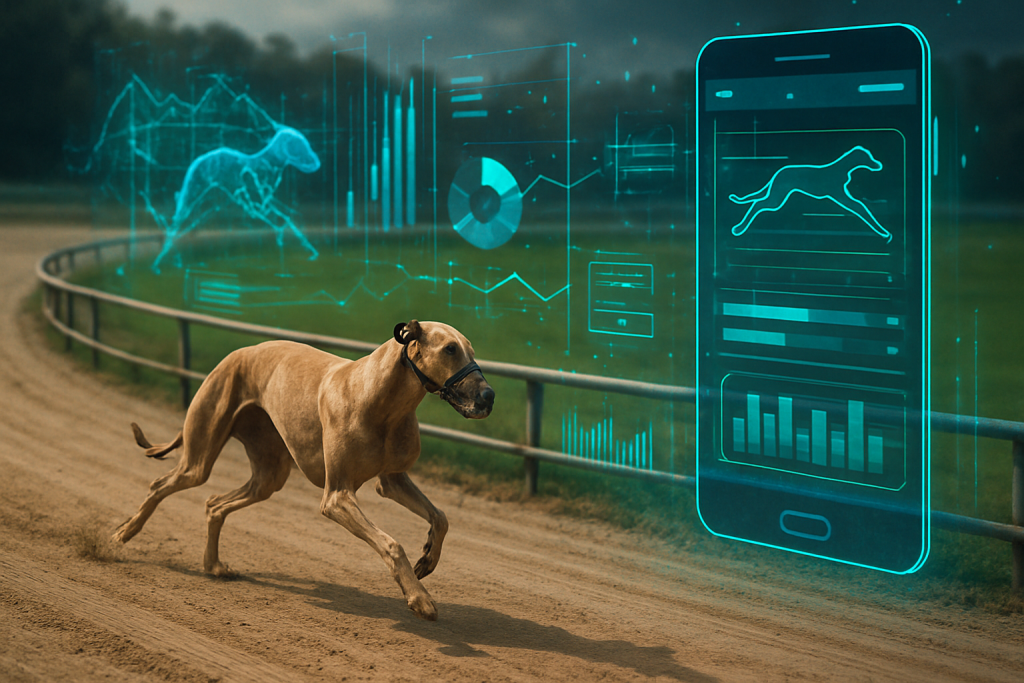
Traditional betting shops are no longer the sole gateway to greyhound racing markets. Operators such as Ladbrokes and Sky Bet now provide comprehensive online portals that deliver real‑time odds, live streaming, and instant bet placement for venues like Romford, Monmore, and Sunderland. Mobile apps have accelerated this shift, allowing punters to place wagers from the stands or from home with just a few taps. The convenience of digital platforms has broadened the demographic reach, attracting younger bettors who are comfortable with fast, data‑rich environments. As a result, betting volume on greyhound races has risen steadily, with online turnover now accounting for the majority of total stakes in the UK.
Mobile betting also fuels the popularity of micro‑bets, such as 5‑minute “quick‑pick” markets that lock in odds seconds before a race starts. These rapid‑fire options appeal to impulse bettors and have driven a noticeable increase in overall turnover, even as the total number of races remains stable. For bookmakers, the shift means higher operational efficiency and the ability to dynamically adjust odds based on live data, which in turn creates more competitive pricing for the end user.
Data‑Driven Form Analysis and Its Influence on Odds
Timeform’s greyhound racing service illustrates how analytics are reshaping betting behaviour. By providing detailed form guides, expert comments, and “1‑2‑3 verdicts” for each meeting, the platform equips bettors with granular insights that were once only available to professional handicappers. This wealth of information has led to a measurable narrowing of odds spreads, as more bettors are able to identify value bets with greater confidence. The result is a market where odds are more reflective of true probabilities, reducing the historical volatility that made greyhound betting both thrilling and risky.
Advanced data tools also enable punters to track trends across specific tracks. For instance, Romford’s sprint distances often produce tighter finishes, prompting a higher frequency of “forecast” bets (predicting the first two finishers). Conversely, Monmore’s longer circuits see a greater proportion of “place” wagers, where bettors back a dog to finish in the top three. Understanding these venue‑specific tendencies allows bettors to tailor their strategies, exploiting the subtle nuances that influence odds on a day‑to‑day basis.
Growth of In‑Play and Live Betting Markets
In‑play betting, once a novelty, has become a cornerstone of modern greyhound wagering. Operators now offer live odds that fluctuate as the dogs break from the traps, allowing bettors to hedge pre‑race positions or chase new opportunities as the race unfolds. The live market has expanded beyond the simple win/place bets to include exotic options such as “first‑to‑catch” (predicting which dog will break first) and “fastest‑lap” wagers that focus on split‑time performance. These markets provide additional layers of excitement and have attracted a segment of bettors who thrive on quick decision‑making.
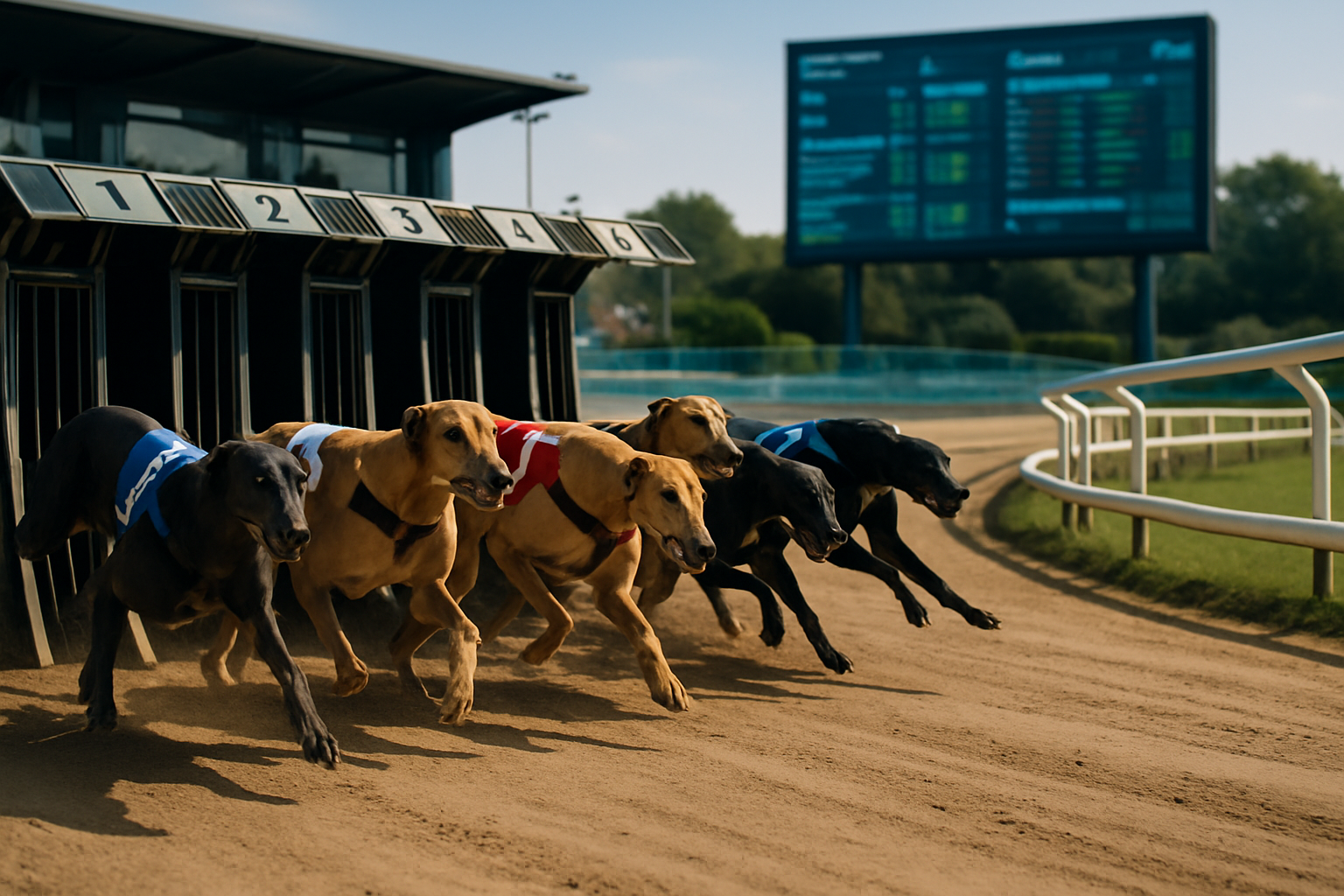
The rise of in‑play betting also influences the odds offered by bookmakers. As live data streams in, odds can be adjusted within seconds, leading to a more efficient pricing mechanism that reduces the bookmaker’s exposure. For the punter, this means that early bets can lock in favourable prices before the market reacts, while later bets may face tighter spreads. Mastering the timing of in‑play wagers is therefore a key skill for those looking to capitalize on the rapid shifts that characterize greyhound racing’s live market.
Seasonal and Calendar‑Based Betting Patterns
Greyhound racing follows a distinct calendar that drives betting trends throughout the year. Summer months typically see an uptick in attendance and betting activity, especially at outdoor tracks like Yarmouth and Kinsley, where warmer weather encourages larger crowds. Conversely, winter fixtures often experience a dip in live attendance but a surge in online betting as punters turn to digital platforms to stay engaged. This seasonal swing also affects odds volatility; higher betting volumes in summer can compress odds, while winter’s thinner markets may produce more pronounced price swings.
Special events and high‑profile meetings, such as the English Greyhound Derby at Towcester, generate spikes in both betting volume and odds movement. During these marquee races, bookmakers receive an influx of stakes across all markets, prompting them to tighten odds to manage risk. For bettors, these events represent prime opportunities to apply form analysis and exploit any mispricings that arise from the heightened activity. Tracking the calendar and aligning betting strategies with peak periods can therefore enhance profitability.
Emergence of Exotic and Multi‑Bet Markets
Beyond the classic win, place, and forecast bets, exotic markets are gaining traction among greyhound bettors. “Each‑Way” bets, which combine a win and a place component, are especially popular for high‑profile dogs with strong form, offering a safety net if the favorite finishes just outside the win spot. Additionally, “Exacta” (first and second in order) and “Trifecta” (first, second, and third) wagers have seen increased participation, driven by the allure of higher payouts for correctly predicting multiple outcomes.
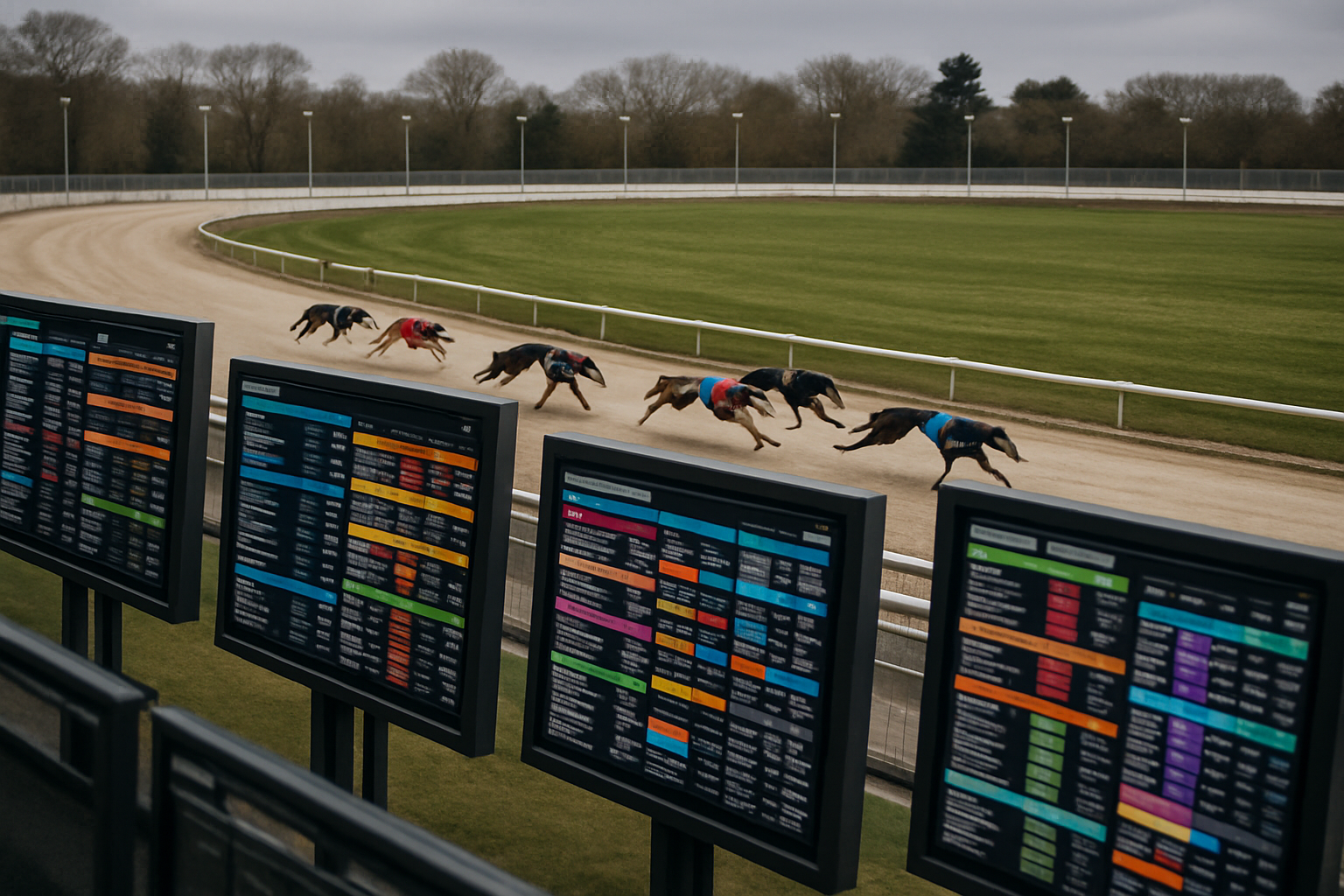
Betting exchanges and specialist sites have also introduced “combo” bets that allow punters to bundle several selections across different races into a single ticket, akin to a parlay in horse racing. While these multi‑bet options carry higher risk, the potential returns are proportionally larger, attracting bettors willing to leverage their form knowledge across several meetings. The proliferation of these exotic bets reflects a maturing market where punters are seeking diversified ways to capitalize on their analytical edge.
Regulatory Changes and Their Impact on Betting Behaviour
The regulatory environment surrounding greyhound racing has undergone significant revisions in recent years, with tighter welfare standards and licensing reforms influencing both the sport and its betting ecosystem. Enhanced animal welfare protocols have led to a reduction in the number of active tracks, concentrating racing activity at a core group of venues. This consolidation has sharpened the focus on the remaining tracks, intensifying betting interest and often resulting in more competitive odds due to higher liquidity.
From a betting perspective, the introduction of stricter advertising guidelines and responsible gambling measures has prompted operators to emphasize transparent odds presentation and player protection tools. While these safeguards may limit aggressive promotional offers, they also foster a more sustainable betting environment, encouraging long‑term participation. Understanding how regulatory shifts shape market dynamics helps bettors anticipate changes in odds availability and assess the stability of their preferred betting platforms.

Growing up near the local track, I developed a lifelong fascination with the athleticism and strategy behind greyhound racing. I spend my free time analyzing past performances and studying breeding lines to better understand the nuances of every race. Sharing insights and celebrating the incredible speed of these dogs is what keeps me passionate about the sport.