Introduction to Greyhound Racing in Europe
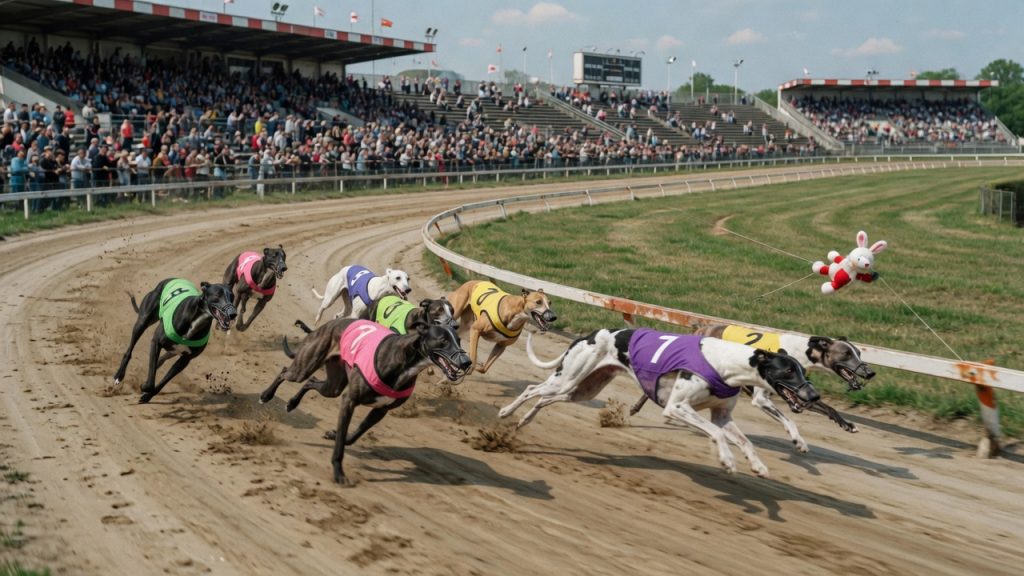
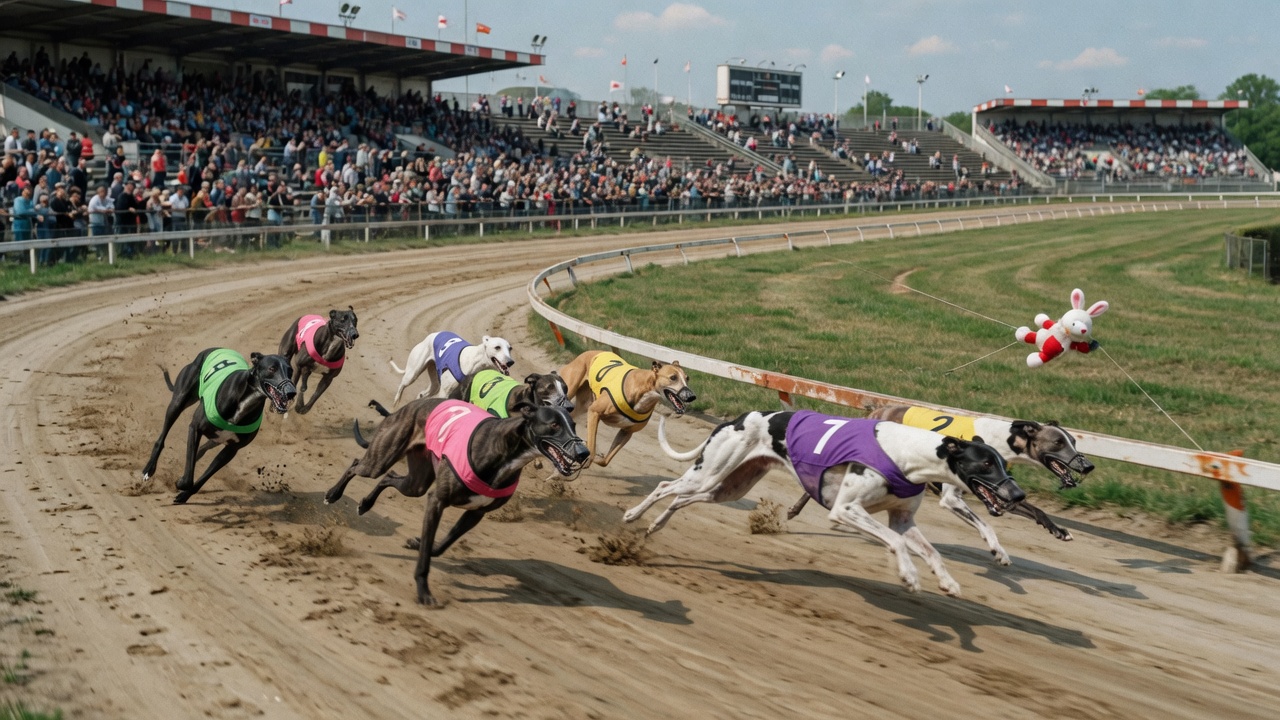
Greyhound racing is a popular and historic sport that has captivated enthusiasts for over a century. This thrilling activity involves the competitive racing of greyhounds, a breed renowned for its speed and agility. Across Europe, greyhound racing has evolved into a significant cultural and sporting event, drawing spectators and bettors alike to dedicated tracks and venues.
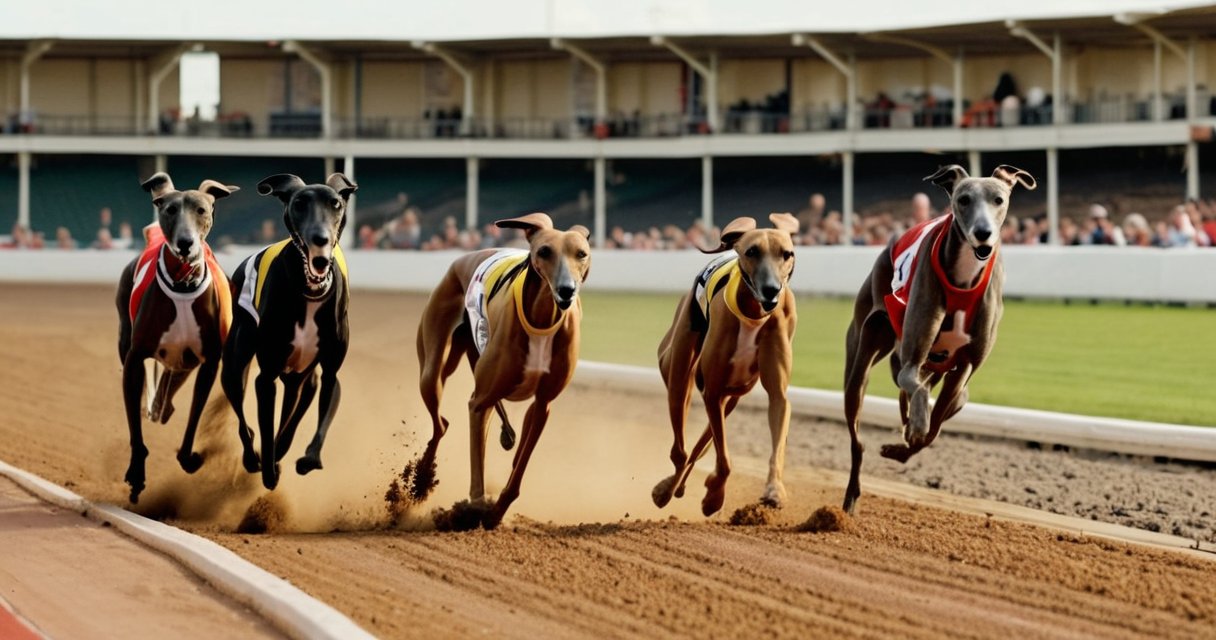
The history of greyhound racing in Europe dates back to the early 20th century when the sport began to formalize with organized tracks and regulatory bodies. The roots of Europe greyhound sport can be traced to the United Kingdom and Ireland, where the first official races were held. From these beginnings, greyhound racing quickly spread to other countries across the continent, establishing a loyal following and contributing to a flourishing industry.
Europe’s greyhound sport is distinguished by its deep connection to tradition and its ongoing adaptation to modern entertainment trends. Throughout the years, greyhound racing has maintained a strong presence in countries such as the UK, Ireland, Spain, and Sweden. These nations have developed robust racing circuits, often hosting prestigious events that highlight the skill and speed of the competing dogs.
Greyhound racing not only serves as a source of excitement and competition but has also played an important role in local economies and communities. The sport generates employment opportunities, supports breeding and training industries, and brings together fans from diverse backgrounds. Moreover, its distinct history and cultural impact make greyhound racing a unique and cherished aspect of Europe’s sporting landscape.
In summary, the history of greyhound racing in Europe reflects a blend of tradition, passion, and evolving popularity. As one of the continent’s enduring sports, Europe greyhound sport continues to thrive, celebrating the impressive athleticism of greyhounds and the enthusiasm of their supporters across generations.
Historical Development of Greyhound Racing in Europe
The history of greyhound racing in Europe traces back to the early 20th century, marking a significant chapter in the evolution of the greyhound sport. While greyhounds themselves have been admired and bred for centuries due to their speed and agility, it was the formalization of racing events that truly defined their role in European sporting culture. The European racing origins are often linked to the adaptation of coursing competitions, which involved greyhounds chasing live game before transitioning to the more controlled oval track races.
One of the key historical milestones in the greyhound sport evolution occurred in the United Kingdom during the 1920s, when the first official greyhound racing tracks were established. The introduction of mechanical lures revolutionized the sport, allowing it to expand rapidly across Britain and subsequently into continental Europe. Countries such as Ireland, Spain, and Italy embraced this new form of competition, contributing to the establishment of organized racing bodies and popular events.
Throughout the mid-20th century, greyhound racing continued to develop with increasing regulatory oversight and the standardization of race formats. This period saw the growth of dedicated tracks in countries like France and Germany, further embedding the sport into European culture. Today, the historical development of greyhound racing across Europe reflects both regional variations and a shared passion for this fast-paced and strategic sport, highlighting its enduring legacy and the ongoing evolution of racing standards and practices.
Popular Greyhound Racing Countries in Europe
Greyhound racing enjoys a rich and diverse tradition across Europe, with certain countries standing out as key hubs for the sport. Among these, the United Kingdom, Ireland, and Spain have established themselves as the primary greyhound racing countries, each fostering unique customs and strong followings that contribute to the vibrant landscape of European greyhound sport.
In the UK, greyhound racing has a storied history dating back to the early 20th century. UK greyhound racing is characterized by its well-organized tracks, a robust betting culture, and a dedicated fan base. Venues such as Wimbledon and Belle Vue have been iconic fixtures, and although the industry has evolved, the UK continues to be a leader in maintaining high standards of racing and welfare for the dogs. This country has also seen innovations in track surfaces and race formats, ensuring that the sport remains appealing to both traditional followers and new audiences.
Ireland stands as another cornerstone of greyhound racing countries in Europe, renowned for its passionate racing enthusiasts and a highly competitive breeding industry. Ireland racing is deeply embedded in the country’s sporting culture, with greyhounds often trained on rural farms before making their way to famed tracks like Shelbourne Park in Dublin. Irish races are known for their energetic atmosphere and emphasis on the greyhound’s speed and agility. Additionally, Ireland plays a significant role in supplying elite racing greyhounds to international markets, further underscoring its influence in the sport.
Meanwhile, Spain greyhound sport has seen steady growth in popularity over recent decades, blending traditional racing elements with a Mediterranean flair. Spanish tracks typically offer unique race-day experiences, combining entertainment and community involvement. The country’s position as a greyhound racing country continues to strengthen thanks to dedicated events and increased investment in racetrack facilities. Spanish greyhound enthusiasts appreciate a mix of formal competitions and more festival-like gatherings, making their racing culture distinct within Europe.
Together, these countries showcase the diversity and enthusiasm surrounding greyhound racing in Europe. While the UK and Ireland focus on preserving and advancing time-honored traditions, Spain embraces a fresh and growing approach. Each nation contributes to the sport’s ongoing appeal, illustrating how varied greyhound racing countries can be in their celebration of this fast-paced and exciting sport.
Greyhound Racing in the United Kingdom
Greyhound racing in the United Kingdom holds a significant place in the nation’s sporting culture. Known simply as UK greyhound racing, this pastime attracts thousands of enthusiasts who follow the thrilling races held at various British greyhound tracks throughout the country. The sport’s popularity is bolstered by both historic venues and modern stadiums, providing exciting entertainment to fans of all ages.
Some of the most prominent British greyhound tracks include Wimbledon Stadium, which was renowned until its closure in 2017, and others like Perry Barr, Sheffield, and Nottingham that continue to draw large crowds. These tracks are well-maintained and often host events televised nationally, making them key fixtures in the UK racing calendar. Each venue offers a unique racing experience, showcasing the speed and agility of the greyhounds in competitive, professionally managed settings.
The legal framework surrounding UK greyhound racing ensures the sport is conducted fairly and ethically. UK racing regulations, overseen by the Greyhound Board of Great Britain (GBGB), govern all aspects from the welfare of the dogs to the integrity of the races. These regulations are designed to protect the animals and maintain public confidence in the sport, including strict guidelines on breeding, training, and race-day protocols. This regulatory environment is fundamental in upholding the reputation and ongoing success of greyhound racing in the UK.
Greyhound Racing Scene in Ireland
The Ireland greyhound racing scene is a vibrant and deeply ingrained part of the country’s sporting culture. Known for its passionate fan base and rich history, the greyhound sport in Ireland enjoys a level of popularity that rivals other traditional sports. Irish tracks are scattered across the country, serving as hubs where enthusiasts gather to celebrate the excitement and tradition of greyhound racing. The sport’s appeal is enhanced by its connection to Ireland’s rural heritage and community spirit, making it more than just a race but a social event as well.
Several notable racing events throughout the year underscore the importance of greyhound racing in Ireland. The Irish Greyhound Derby, held annually at Shelbourne Park in Dublin, is considered the pinnacle of the sport in the country and attracts top-tier competitors from across Europe. Smaller events hosted at other prominent Irish tracks such as Cork and Limerick also contribute to the thriving racing calendar, providing opportunities for emerging talent to showcase their abilities.
The enduring popularity of the greyhound sport in Ireland is also reflected in dedicated breeding programs and the support of local trainers and owners, who play a crucial role in maintaining Ireland’s reputation as a leading nation in greyhound racing. This combination of historic venues, significant events, and community engagement ensures that greyhound racing remains a cherished and dynamic part of Ireland’s sporting landscape.
Current Trends and Challenges in European Greyhound Racing
The landscape of greyhound racing in Europe is undergoing significant change, marked by evolving trends that are shaping the industry’s future. One prominent greyhound racing trend is the gradual shift towards more transparent and ethical practices, driven by increasing public scrutiny and growing demands for improved animal welfare standards. As a result, many racing organizations and venues are adopting stricter protocols to ensure the safety and well-being of the greyhounds before, during, and after races. This focus not only aims to enhance the reputation of the sport but also to align it with contemporary societal values.
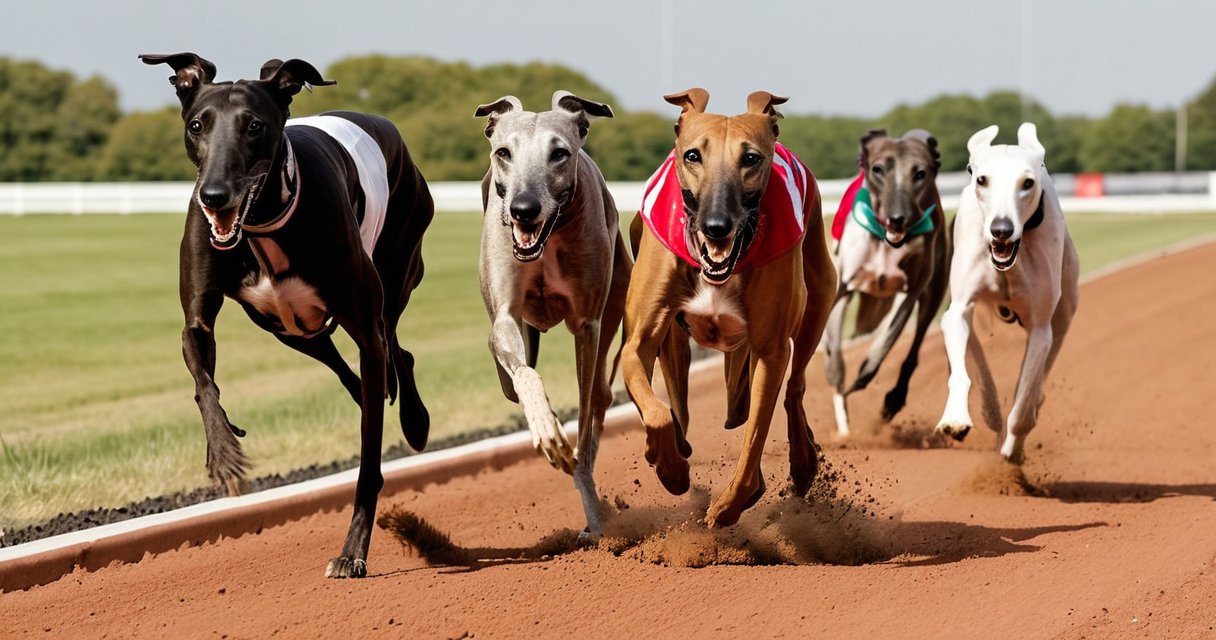
Animal welfare has emerged as the foremost concern within the European greyhound racing community, reflecting broader societal shifts towards compassion and responsibility for animals involved in sports. Activists and regulatory bodies have raised awareness about potential mistreatment and neglect, prompting calls for enhanced oversight mechanisms and rehabilitation programs for retired racing dogs. Consequently, several European countries have introduced comprehensive guidelines that cover everything from housing and nutrition to veterinary care and post-racing adoption. These measures are designed to address historical welfare challenges and ensure that greyhounds receive humane treatment throughout their lives.
Despite these positive developments, the industry still faces significant challenges Europe-wide. Regulatory frameworks vary substantially between countries, resulting in inconsistent enforcement and creating difficulties for the greyhound racing sector to maintain uniform standards across borders. Combined with declining attendance at traditional race tracks and increased competition from other forms of entertainment, these regulatory challenges complicate efforts to sustain the viability of greyhound racing in the region. Stakeholders must navigate complex legal environments that balance animal welfare concerns with the commercial realities of the sport.
Furthermore, evolving public perceptions and heightened activism have led to the closure of some prominent tracks, further signaling the need for the industry to innovate and adapt. Many operators are exploring novel approaches such as virtual races and non-betting events to attract new audiences while minimizing ethical criticisms. These attempts to modernize greyhound racing trends demonstrate a willingness to evolve, though achieving widespread acceptance remains an ongoing challenge.
In conclusion, the future of greyhound racing in Europe hinges on successfully addressing the intertwined issues of animal welfare and industry challenges. The sector’s ability to implement robust animal protection measures and harmonize regulatory standards will be critical in maintaining public trust and ensuring the sport’s sustainability in a changing social and legal landscape.

Growing up near the local track, I developed a lifelong fascination with the athleticism and strategy behind greyhound racing. I spend my free time analyzing past performances and studying breeding lines to better understand the nuances of every race. Sharing insights and celebrating the incredible speed of these dogs is what keeps me passionate about the sport.