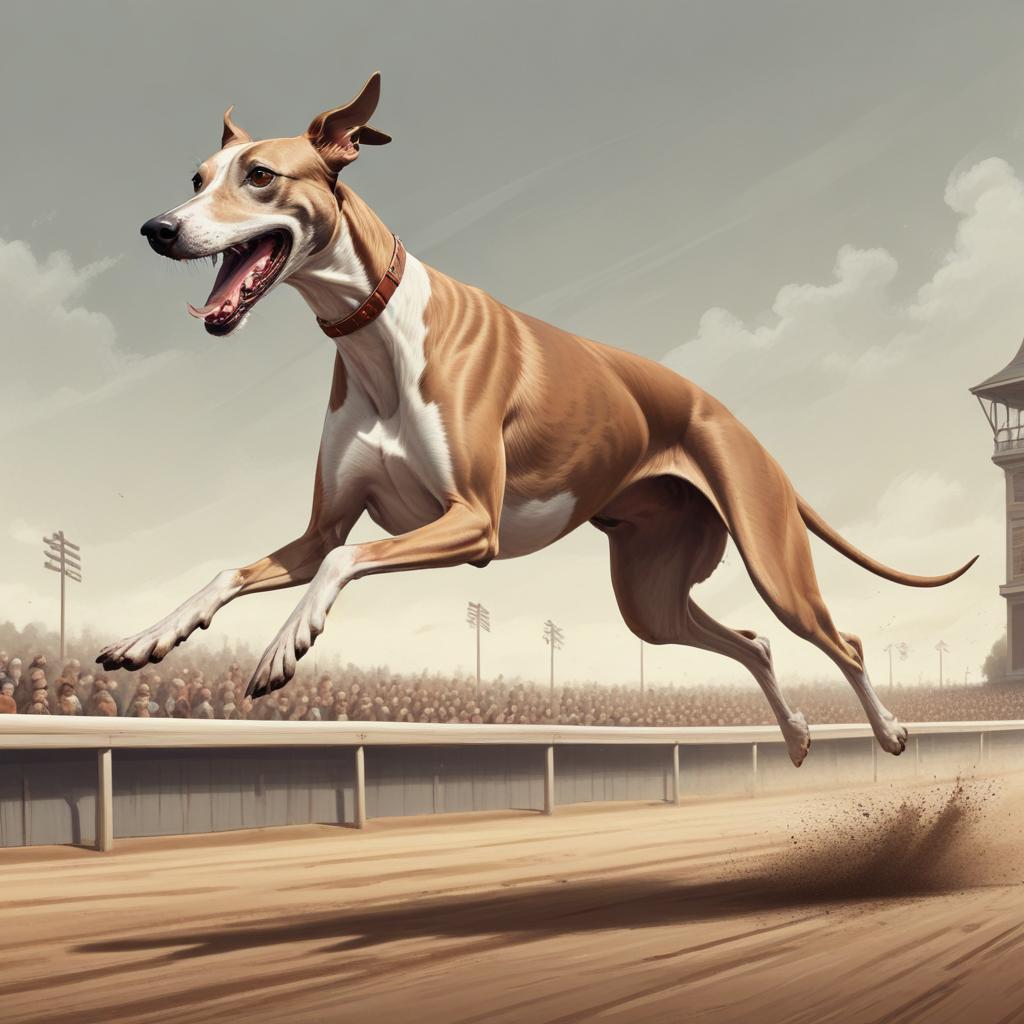
Origins of Greyhound Racing
Greyhound racing has a rich and fascinating history that stretches back thousands of years, rooted deeply in the ancient sport of hunting. The origins of greyhound racing can be traced to the use of greyhounds as hunting companions, prized for their remarkable speed, keen eyesight, and agility. Early humans relied on these dogs to chase and capture game, playing a crucial role in survival. This connection between humans and greyhounds laid the groundwork for the development of recreational races designed to test the incredible abilities of these dogs.
The greyhound’s history as a racing dog begins with informal contests dating back to ancient civilizations. Historical records and artifacts from Egypt, Greece, and Rome depict greyhounds chasing prey and competing in speed contests, indicating that greyhound racing origins are intertwined with human culture’s longstanding admiration for these swift dogs. Archaeological discoveries such as Egyptian tomb paintings illustrate scenes of greyhounds running alongside chariots or participating in competitive hunting, showing early appreciation for their speed and grace.
In these early greyhound races, the events were informal and often part of broader hunting activities or social gatherings. These races tested not only the dog’s speed but also endurance and ability to follow a scent or visual target. Over time, as societies evolved, the sport began to take shape as a standalone activity. Medieval England, for instance, saw the establishment of organized coursing events, where greyhounds chased live game in controlled environments, representing a transition from hunting to competitive racing. This period marked an important stage in greyhound history, bridging the gap between practical hunting use and the origins of structured greyhound racing.
Thus, the early greyhound races were more than just contests of speed—they symbolized a growing human interest in sport and competition. These origins reflect greyhound racing’s deep historical roots and how it gradually transformed from an ancient hunting practice into the formalized sport recognized today. Understanding the greyhound racing origins enriches appreciation for this unique sport and its enduring legacy.
Ancient and Medieval Hunting Practices
The history of greyhound use in human society dates back to ancient times, where these dogs were primarily valued for their exceptional hunting abilities. Ancient hunting cultures utilized greyhounds for coursing, a form of hunting where dogs chase and capture game such as deer and hares. Renowned for their speed, agility, and keen eyesight, greyhounds were ideal companions for hunters who relied on swift and precise tracking of elusive prey.
In medieval times, the tradition of using greyhounds for hunting continued to flourish across Europe. Nobility and royalty prized medieval greyhounds not only for their hunting prowess but also as symbols of status and prestige. These dogs were often depicted in medieval art and literature as noble animals accompanying huntsmen in the forests and fields. The greyhound’s role extended beyond hunting to coursing competitions, where their skill in chasing and capturing game was celebrated.
Throughout history, the ancient hunting practices involving greyhounds laid the foundation for their later association with competitive racing. Their use in coursing and hunting highlights the deep bond between humans and greyhounds, emphasizing both the practical and cultural significance of these dogs. Understanding the origins of greyhound use in history provides insight into how these elegant animals evolved from hunting partners to racing champions.
Transition to Organized Racing
The shift from hunting with greyhounds to organized racing events marked a significant evolution in the sport’s history during the late 19th century. Initially, greyhound activities were focused around coursing, a form of hunting where dogs chased live game in open fields. However, as interest in formal competition grew, enthusiasts sought to create more standardized and controlled environments where the dogs’ speed and agility could be showcased without the unpredictability of live prey.
This transition led to the establishment of the first greyhound tracks, which became central hubs for organized racing. The 1880s racing history reveals that some of the earliest formal tracks appeared in the United Kingdom, where the concept of a regulated race with clearly defined rules began to take shape. These tracks allowed for timed races around oval courses, with mechanical lures eventually replacing live bait, a change that helped to standardize and legitimize the sport.
The development of greyhound tracks marked the true beginning of organized racing as a spectator sport. These venues provided a structured setting that drew both breeders and audiences, fueling the growth of the greyhound racing industry. This move from traditional hunting to organized racing not only enhanced the welfare of the dogs but also created a thrilling new pastime that would spread worldwide in the decades to come.
Development of Modern Greyhound Racing
The development of modern greyhound racing during the 20th century was marked by significant growth and transformation, propelled by technological advances and the expansion of the sport to new countries. This period saw the establishment of numerous greyhound tracks that became hubs for both enthusiasts and bettors, helping to popularize modern greyhound racing across diverse regions.
One of the key factors contributing to the rise of modern greyhound racing was the introduction of mechanical lure systems. These innovations replaced the older, less reliable methods of using live bait, revolutionizing the way races were conducted. The mechanical lure, typically a fake hare, moved along the track to simulate prey, which kept greyhounds engaged and ensured more consistent and fair races. This technological advance played a major role in standardizing race procedures, making the sport more appealing to a broader audience.
In addition to innovations in racing mechanics, the 20th century also witnessed improvements in track design and infrastructure. Greyhound tracks became more sophisticated, featuring well-maintained surfaces tailored to the dogs’ speed and agility. Stadiums were built with spectator experience in mind, incorporating seating arrangements, lighting, and betting facilities that enhanced the overall atmosphere and accessibility of the sport.
The growth of greyhound racing was not confined to its origins but spread internationally throughout the century. While the sport initially gained popularity in countries like the United Kingdom and the United States, it quickly expanded to places such as Australia, Ireland, and parts of Europe. This global spread was further fueled by the establishment of governing bodies that helped regulate the sport, ensuring integrity and competitive fairness across different regions.
As greyhound tracks proliferated around the world, the racing industry adapted to regional preferences and regulations, which shaped distinct racing cultures. These developments, coupled with technological innovations and the professionalization of the sport, positioned modern greyhound racing as a major spectator sport by mid-century. The blend of competitive excitement and advanced facilities kept the audience engaged and contributed to the sustained popularity of greyhound racing into the modern era.
Overall, the 20th century was a transformative era for modern greyhound racing. From the introduction of mechanical lures to the expansion of greyhound tracks in new countries, these innovations and growth phases solidified the sport’s place on the global stage as an exciting and rapidly evolving form of racing entertainment.
Introduction of Mechanical Lures
The invention of the mechanical lure marked a revolutionary shift in the world of greyhound racing, fundamentally transforming racing technology and the experience of the sport. Prior to this innovation, live bait was often used, which raised ethical concerns and sometimes caused inconsistencies in races. The mechanical lure introduced a more reliable and humane alternative, ensuring that greyhounds chased a safe, consistent target during races.
From a racing technology perspective, the mechanical lure significantly improved fairness. The lure, typically a white object resembling a rabbit or hare, is pulled rapidly around the track on a rail system, maintaining a consistent speed and path. This consistency reduces the variable factors that could affect a dog’s performance, such as erratic bait movements or unpredictable distractions, allowing greyhounds to perform to their true potential.
Furthermore, the introduction of the mechanical lure greatly enhanced track safety. Without live bait on the course, the risk of injury to both the animals and the greyhounds decreased. It minimized dangerous collisions and distractions that previously occurred when dogs competed for live prey. This innovation not only safeguarded the greyhounds but also promoted the sport’s integrity and public perception.
Overall, the greyhound lure innovation through mechanical lures has been a cornerstone of modern greyhound racing, driving advancements that marry technological progress with ethical considerations while ensuring competitive fairness and safety across all race tracks.
Expansion Beyond the United Kingdom
Greyhound racing, which originated in the United Kingdom, saw significant expansion throughout the 1900s, spreading to numerous countries around the world. This sport’s appeal grew rapidly, attracting enthusiasts and bettors alike, culminating in a truly international phenomenon. Key among the countries embracing greyhound racing were the United States, Australia, and Ireland, each contributing to the global evolution of the sport.
In the United States, greyhound racing became a popular pastime starting in the early 20th century. The sport was formalized with the introduction of greyhound tracks and official racing events, fostering a growing community of trainers, owners, and fans. Greyhound racing in the USA developed its own unique culture and regulations but remained closely linked to the British origins of the sport.
Australia also played an important role in the worldwide spread of greyhound racing. The country adopted the sport with enthusiasm, establishing numerous racing venues and building a passionate fan base. Australian greyhound racing quickly developed its own standards and became a cornerstone of the country’s sporting calendar.
Meanwhile, Ireland, with its strong cultural ties to the UK, embraced greyhound racing as both a sport and a social activity. Irish greyhound racing gained international recognition, producing many competitive greyhounds and memorable racing events.
Overall, the 1900s were a pivotal era for greyhound racing worldwide, as the sport evolved into a global pastime with diverse regional traits, while maintaining a shared heritage rooted in the United Kingdom.
Contemporary Issues and Legacy
Greyhound racing today faces significant scrutiny over issues of greyhound welfare, sparking widespread debate and calls for reform across the industry. Central to these concerns are the treatment, living conditions, and post-racing lives of the dogs involved. Advocates for animal rights highlight the risks of injuries sustained during races as well as the fate of dogs that no longer compete. This has pressured many regulatory bodies to impose stricter welfare standards and improve transparency within the sport.
Regulation plays a pivotal role in shaping the future of greyhound racing. Countries and states where the sport remains popular have developed varying levels of oversight to address controversies surrounding the industry’s treatment of animals. These measures often include mandatory veterinary checks, improved kennel conditions, and programs aimed at ensuring retired greyhounds are adopted into loving homes. Despite such efforts, critics argue that regulations sometimes fall short or lack consistent enforcement, leaving welfare issues unresolved.
The cultural legacy of greyhound racing is complex and multifaceted. Once a thriving sport with deep historical roots and community following, greyhound racing symbolized both entertainment and competitive spirit throughout the 20th century. However, with changing public attitudes toward animal rights and evolving entertainment preferences, the sport’s popularity has waned considerably in many parts of the world. This shift has led to closures of numerous racetracks and a transformation in how the legacy of greyhound racing is perceived.
In balancing its heritage with contemporary values, the industry continues to grapple with criticisms while seeking ways to preserve its traditions through improved welfare and community engagement. Greyhound welfare remains at the forefront of these discussions, driving ongoing reforms intended to safeguard the dogs’ wellbeing. Ultimately, the controversies and legacy of greyhound racing today reflect broader societal changes, challenging the sport to evolve responsibly in light of ethical concerns and public expectations.
Animal Welfare and Regulation
In recent years, animal welfare has become a central concern within the greyhound racing industry. Ethical debates frequently highlight the treatment of the dogs, emphasizing the need for stringent greyhound protection laws to prevent abuse and neglect. Advocacy groups argue that without adequate regulation, racing greyhounds are vulnerable to harsh training methods, insufficient medical care, and poor living conditions.
To address these concerns, many regions have implemented comprehensive racing regulations designed to safeguard the well-being of the animals. These regulations often mandate regular veterinary checks, proper housing, and limits on racing frequency to reduce stress and injury. Additionally, several jurisdictions have introduced retirement programs to ensure that once their racing careers end, greyhounds are rehomed rather than abandoned or euthanized.
Despite these advancements, the debate continues as critics push for even stronger measures. Calls for greater transparency and accountability within racing operations have led to stricter licensing requirements and more rigorous enforcement of existing laws. Industry stakeholders are increasingly collaborating with animal welfare organizations to promote humane treatment and improve standards.
Ultimately, the focus on animal welfare and racing regulations reflects a broader societal shift toward ethical treatment of all animals involved in sport. These efforts aim not only to protect the greyhounds during their racing careers but also to ensure a dignified life after retirement, reinforcing the responsibility of the industry to uphold the highest standards of care.
Cultural Impact and Decline
Greyhound racing once held a significant cultural impact, serving as a popular form of entertainment and social gathering across many regions. Its appeal was rooted in the excitement of the races, the beauty and speed of the greyhounds, and the communal experience it fostered among spectators. The sport created a unique intersection of tradition, gambling, and community engagement, contributing to its stature within the entertainment industry.
However, the industry has faced substantial challenges over the years, leading to the decline of greyhound racing. Concerns about animal welfare have grown, prompting stricter regulations and shifting public opinion. Additionally, competition from alternative forms of entertainment and gambling, along with economic pressures, has made it harder to sustain the sport’s former popularity. These combined factors have contributed to a noticeable greyhound racing decline, with many tracks closing and a reduction in widespread interest.
Despite these challenges, greyhound racing maintains an ongoing legacy within both sport and entertainment. Enthusiasts and organizations continue to preserve the tradition, emphasizing responsible care and highlighting the athleticism of the greyhounds. The cultural significance of the sport endures, even as it adapts to modern expectations and seeks sustainable pathways forward. Thus, while the greyhound racing decline is evident, its historical and cultural imprint remains a noteworthy chapter in sporting history.

Growing up near the local track, I developed a lifelong fascination with the athleticism and strategy behind greyhound racing. I spend my free time analyzing past performances and studying breeding lines to better understand the nuances of every race. Sharing insights and celebrating the incredible speed of these dogs is what keeps me passionate about the sport.