Greyhound racing documentaries offer a rare window into a sport that has shaped communities, economies, and canine lives for over a century. These films do more than capture the thrill of the chase; they reveal the intricate mechanics of training, the high stakes of competition, and the often-overlooked human stories behind the dogs. For enthusiasts and newcomers alike, documentaries serve as both an educational tool and a historical record, preserving the nuances of a sport that has faced decline in some regions while retaining passionate followings in others. Whether focusing on legendary tracks, champion dogs, or the ethical debates surrounding racing, these films provide a depth of insight that live broadcasts or race results simply cannot match.
The Evolution of Greyhound Racing Through Documentary Lenses
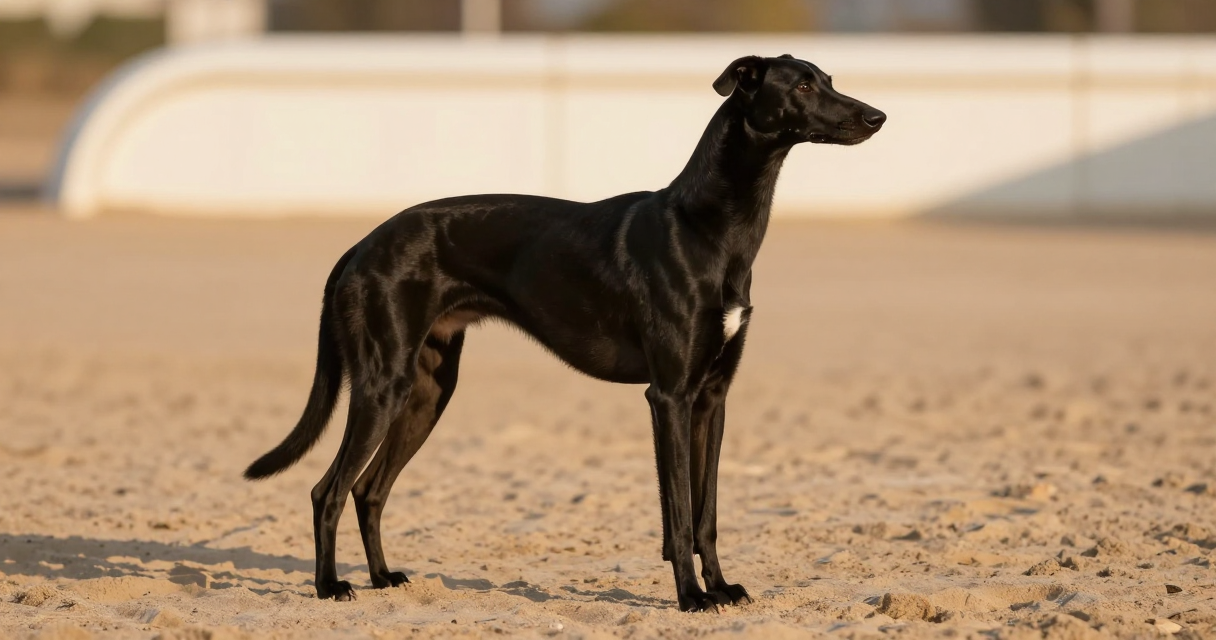
Early greyhound racing documentaries often framed the sport as a glamorous spectacle, with black-and-white footage of packed grandstands and elegantly dressed spectators. Films from the 1930s and 1940s, like those produced by British Pathé, emphasized the speed and grace of the dogs, positioning racing as a sophisticated pastime for the working class. By the 1960s, documentaries began to incorporate more technical aspects, such as the role of the hare system and the physics of track design. A notable example is the 1965 short “The Greyhound,” which used slow-motion cameras to break down the biomechanics of a dog’s stride, revealing how a greyhound’s 45-mile-per-hour sprint relies on a unique combination of muscle, bone structure, and instinct.
In the 1980s and 1990s, documentaries shifted toward a more critical tone, reflecting the sport’s growing controversies. Films like “Track Dogs” explored the darker side of racing, including the fate of retired greyhounds and the rise of anti-racing activism. This era also saw the emergence of documentaries focused on specific tracks, such as Florida’s Derby Lane or Ireland’s Shelbourne Park, which became characters in their own right. These films often included interviews with trainers, owners, and track officials, offering a behind-the-scenes look at the sport’s operational challenges. The transition from analog to digital filmmaking in the 2000s allowed for even more intimate storytelling, with documentaries like “Going to the Dogs” using handheld cameras to capture the daily routines of kennels and the emotional bonds between dogs and their handlers.
Legendary Greyhounds and Their Cinematic Tributes
Some of the most compelling greyhound racing documentaries center on individual dogs whose careers transcended the sport. Take “Ballyregan Bob,” the 1980s sensation who won 32 consecutive races, a record that still stands today. The 1986 documentary “Bob the Wonder Dog” chronicled his rise from an unassuming pup to a national icon, featuring interviews with his trainer, George Curtis, and archival footage of his races. The film didn’t just celebrate his victories; it also humanized the sport by showing the meticulous care that went into his training, from specialized diets to injury prevention techniques. Another standout is “Mick the Miller,” a 1930s film about the first greyhound to win the English Greyhound Derby twice. The documentary used reenactments and voiceover narration to dramatize his journey, highlighting how his success helped popularize greyhound racing in the UK during the Great Depression.
More recent documentaries have focused on dogs that became symbols of the sport’s resilience. “Sidaz Jack,” a 2010s film, followed the career of a greyhound who overcame a near-fatal injury to return to racing, winning multiple stakes races in the process. The documentary included footage of his rehabilitation, showcasing the advancements in veterinary care that have extended the careers of many racing greyhounds. These films often serve a dual purpose: they celebrate the dogs’ achievements while also educating viewers about the physical demands of the sport. By zooming in on the stories of individual greyhounds, documentaries create emotional connections that broaden the appeal of racing beyond its traditional audience.
Behind the Scenes: Training and Kennel Life in Documentaries
Documentaries that delve into the daily lives of racing greyhounds offer some of the most revealing insights into the sport. Films like “The Life of a Racing Greyhound” provide an unfiltered look at the routines of kennels, from early-morning walks to post-race recovery sessions. These documentaries often feature trainers explaining their methods, such as the use of treadmills to build endurance or the importance of rest days to prevent injuries. One particularly detailed example is the 2018 documentary “Kennel to Track,” which followed a litter of greyhounds from birth to their first race. The film captured the puppies’ first steps on a training track, their introduction to the starting box, and the moment they learned to chase the lure, illustrating how instinct and conditioning work together to create a competitive racer.
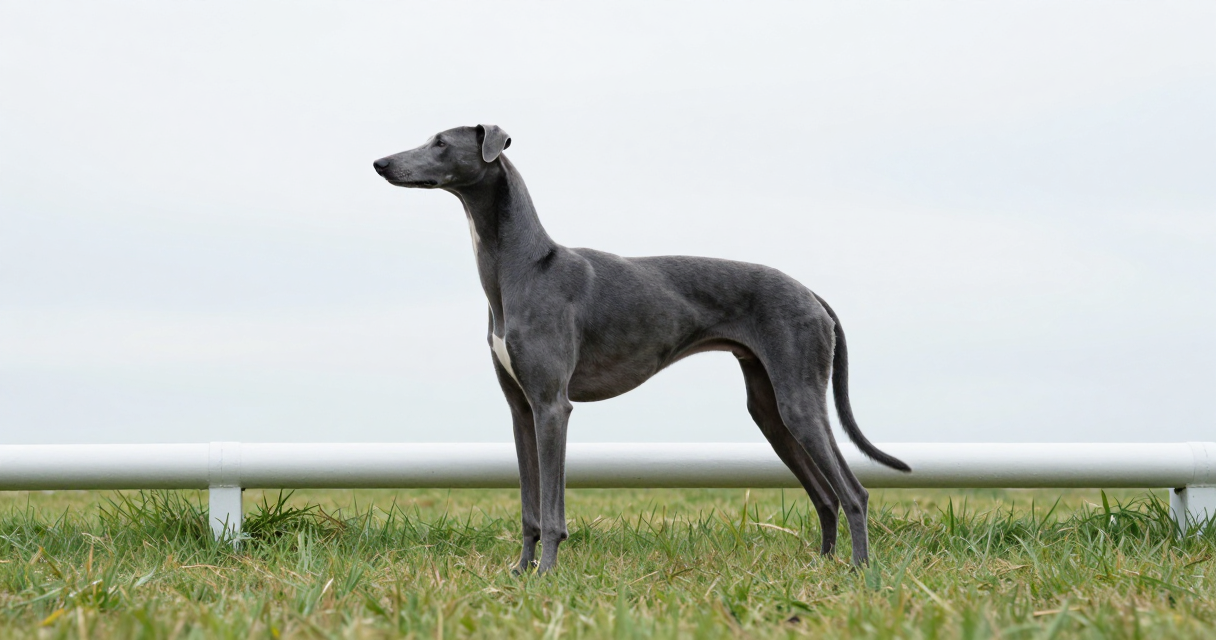
The best of these documentaries also address the less glamorous aspects of kennel life. They show the challenges of managing a large number of dogs, from dietary needs to disease prevention, and the emotional toll of injuries or retirements. Some films, like “Greyhounds: The Fast and the Furious,” include segments on the role of veterinary staff, who monitor the dogs for signs of stress or fatigue. These documentaries often highlight the contrast between the high-energy atmosphere of race night and the quiet, methodical work that happens behind the scenes. By focusing on the human-dog partnership, they underscore how the sport depends on trust, patience, and a deep understanding of canine behavior.
Ethical Debates and the Role of Documentaries in Shaping Public Perception
The ethical concerns surrounding greyhound racing have been a recurring theme in documentaries over the past two decades. Films like “Greyhounds: Running for Their Lives” take a critical stance, exposing issues such as overbreeding, the fate of retired dogs, and the use of performance-enhancing drugs. These documentaries often include undercover footage of substandard kennels or interviews with former industry insiders who describe the pressure to produce winning dogs at any cost. The 2015 documentary “Life After Racing” tackled the issue of adoption, following the journeys of retired greyhounds as they transitioned to life as pets. The film highlighted the work of rescue organizations, which have become increasingly vocal in their opposition to the sport, while also showing the positive outcomes for dogs placed in loving homes.
On the other side of the debate, pro-racing documentaries argue that the industry has made significant strides in animal welfare. Films like “The Truth About Greyhound Racing” present data on injury rates, which have declined in recent years due to improved track surfaces and stricter regulations. These documentaries often feature veterinarians and industry officials who defend the sport, pointing to initiatives like mandatory retirement plans and increased funding for adoption programs. The tension between these opposing viewpoints has made documentaries a battleground for public opinion, with each side using film to make its case. For viewers, these films provide a nuanced understanding of the ethical complexities, far removed from the simplistic narratives often presented in mainstream media.
Regional Differences: How Documentaries Capture Global Racing Cultures
Greyhound racing documentaries reveal striking differences in how the sport is practiced and perceived around the world. In the United States, films like “Florida’s Greyhound Legacy” focus on the state’s dominance in the sport, with its 12 active tracks and a racing season that runs nearly year-round. These documentaries often highlight the economic impact of racing, from the jobs it creates to the tourism it attracts, while also addressing the challenges posed by declining attendance and legislative threats. In contrast, UK documentaries such as “The Last Lap” explore the sport’s decline in its birthplace, where only a handful of tracks remain. These films often adopt a nostalgic tone, featuring interviews with longtime fans who lament the loss of a once-thriving industry.
Australia and Ireland, two of the sport’s remaining strongholds, have produced documentaries that reflect their unique racing cultures. Australian films like “The Dogs of Oz” showcase the country’s love for long-distance races, such as the prestigious Melbourne Cup, which tests a greyhound’s stamina over 725 meters. These documentaries often include footage of the vast, open tracks that define Australian racing, as well as the close-knit communities that support them. In Ireland, documentaries like “The Shelbourne Six” focus on the country’s deep-rooted tradition of greyhound racing, where tracks are often family-run and races draw crowds of all ages. These films capture the social aspect of the sport, with scenes of spectators placing bets, sharing stories, and cheering for local favorites. By comparing these regional perspectives, documentaries illustrate how greyhound racing adapts to cultural and economic contexts, even as its global footprint shrinks.
Technical Innovations in Racing Documentaries
The way greyhound racing is filmed has evolved dramatically over the years, with documentaries now employing cutting-edge technology to capture the sport’s speed and intensity. Early films relied on static cameras positioned at the finish line, but modern documentaries use high-speed cameras capable of shooting at 1,000 frames per second. This allows filmmakers to slow down footage to a fraction of real time, revealing details like the precise moment a dog’s paw leaves the ground or how its body adjusts mid-stride to maintain balance. The 2020 documentary “The Science of Speed” used this technique to analyze the racing styles of top greyhounds, comparing their gaits to those of other sprinting animals. The film also incorporated motion-capture technology, placing sensors on dogs to track their acceleration and deceleration patterns, providing data that trainers could use to refine their methods.
Another innovation is the use of drones, which have become a staple in racing documentaries. Drones capture sweeping aerial shots of tracks, offering viewers a bird’s-eye view of the entire race, from the starting box to the finish line. This perspective is particularly effective in documentaries about marathon races, where the distance between dogs can change dramatically over the course of a race. Some films also use thermal imaging cameras to monitor the dogs’ body temperatures during races, providing insights into their physical exertion and recovery. These technical advancements have not only enhanced the visual appeal of racing documentaries but have also made them valuable tools for trainers, veterinarians, and researchers studying canine athleticism.
Where to Find the Best Greyhound Racing Documentaries
For fans eager to explore the world of greyhound racing through film, there are several platforms and archives worth exploring. Streaming services like Amazon Prime and YouTube host a selection of documentaries, including “Going to the Dogs” and “The Life of a Racing Greyhound,” which are often available for free or as part of a subscription. Specialized sports channels, such as ESPN Classic, occasionally air documentaries about greyhound racing, particularly during major events like the Greyhound Derby. For those interested in historical footage, the British Film Institute’s online archive offers a collection of early racing documentaries, some dating back to the 1920s. These films provide a fascinating glimpse into how the sport was presented to audiences nearly a century ago, with narration styles and production techniques that reflect the era.
Physical media remains a reliable source for rare or out-of-print documentaries. DVDs of films like “Ballyregan Bob” and “Mick the Miller” can sometimes be found on eBay or through specialty retailers that cater to greyhound racing enthusiasts. Some tracks and racing organizations also sell or lend documentaries as part of their educational outreach, particularly those that focus on the history of specific venues. For a more interactive experience, film festivals occasionally feature greyhound racing documentaries, often accompanied by Q&A sessions with filmmakers or industry experts. These events provide an opportunity to engage with the material on a deeper level, whether by discussing the technical aspects of filming or debating the ethical questions raised by the sport. By seeking out these resources, viewers can build a comprehensive understanding of greyhound racing, from its golden age to its modern challenges.

Growing up near the local track, I developed a lifelong fascination with the athleticism and strategy behind greyhound racing. I spend my free time analyzing past performances and studying breeding lines to better understand the nuances of every race. Sharing insights and celebrating the incredible speed of these dogs is what keeps me passionate about the sport.