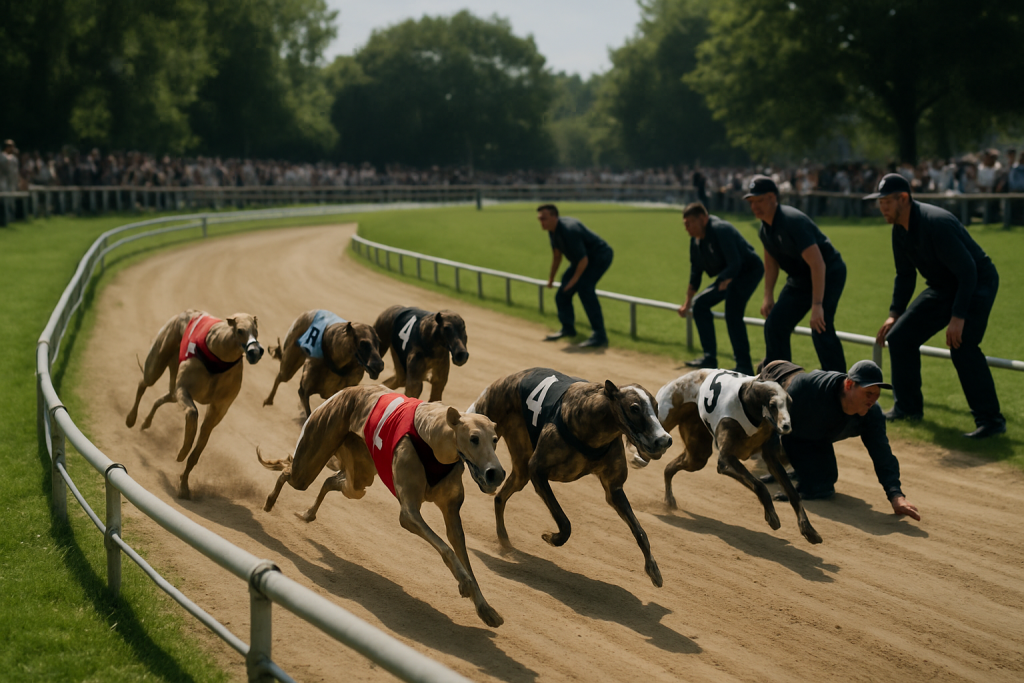
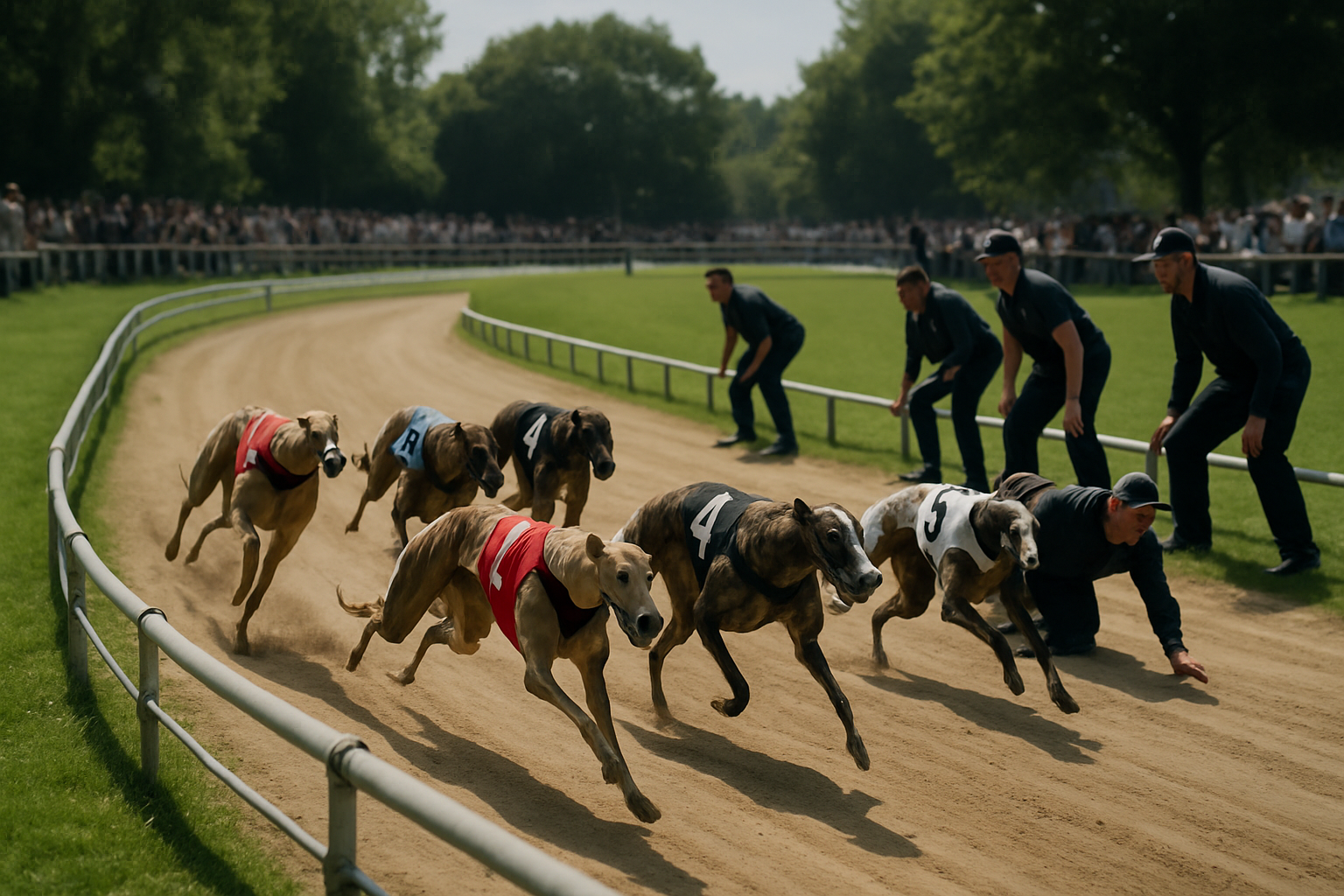
The world of greyhound racing championships is a thrilling blend of speed, strategy, and sheer athleticism, where elite canine athletes and their handlers push the limits of performance on tracks around the globe. From the prestigious Greyhound Derby in the UK to the high-stakes qualifying events in the U.S., these competitions showcase the pinnacle of the sport, drawing fans, bettors, and industry insiders alike. Whether you’re a seasoned enthusiast or a newcomer to the sport, understanding the structure, history, and key events of greyhound racing championships offers a deeper appreciation for the dedication and skill involved. Below, we explore the most significant aspects of these events, from qualification pathways to the legendary races that define the sport.
The Evolution of Greyhound Racing Championships
Greyhound racing championships have evolved significantly since the sport’s formal inception in the early 20th century. The first organized races took place in the 1920s, with the Greyhound Derby in England quickly establishing itself as the sport’s most iconic event. Over the decades, the championships expanded globally, with countries like the United States, Australia, and Ireland developing their own prestigious competitions. These events have not only grown in scale but also in sophistication, incorporating advanced timing systems, veterinary care, and even live broadcasting to engage a wider audience.
The sport’s evolution has also been shaped by regulatory changes and public perception. In recent years, animal welfare concerns have led to stricter oversight, with many championships now emphasizing ethical treatment and retirement programs for racing greyhounds. This shift has helped sustain the sport’s popularity while ensuring the well-being of its canine stars. Today, greyhound racing championships are not just about speed—they’re about showcasing the bond between dog and handler, the precision of training, and the excitement of high-stakes competition.
Key Greyhound Racing Championships Around the World
The global greyhound racing calendar is packed with events that attract top-tier competitors and massive audiences. The English Greyhound Derby, held annually at Towcester Racecourse, is arguably the most famous, offering a prize purse that can exceed £200,000. In the United States, the National Greyhound Association (NGA) sanctions a series of qualifying races that culminate in the Greyhound Hall of Fame Championships, where the best dogs from regional circuits compete for national honors. Australia’s Melbourne Cup of greyhound racing, the Million Dollar Chase, is another standout, drawing international entrants with its lucrative rewards.
Other notable championships include Ireland’s Irish Greyhound Derby, which has a rich history dating back to the 1930s, and Spain’s Gran Premio de Madrid, a key event in European racing. Each of these competitions has its own unique traditions, track conditions, and qualification processes, making them distinct yet equally thrilling. For fans, following these events offers a chance to see how different training techniques, track surfaces, and breeding lines influence performance across the globe.
The Qualification Process: From Local Tracks to Global Stages
Earning a spot in a major greyhound racing championship is no small feat. The qualification process typically begins at the local or regional level, where dogs compete in a series of heats to accumulate points or meet performance benchmarks. In the U.S., for example, the Grand Mesa Summit Challenge in Colorado serves as a critical qualifier for the World Championships, testing dogs over a grueling multi-race format. Similarly, the UK’s Greyhound Derby features a series of trials and heats that narrow the field from hundreds of entrants to just a handful of finalists.
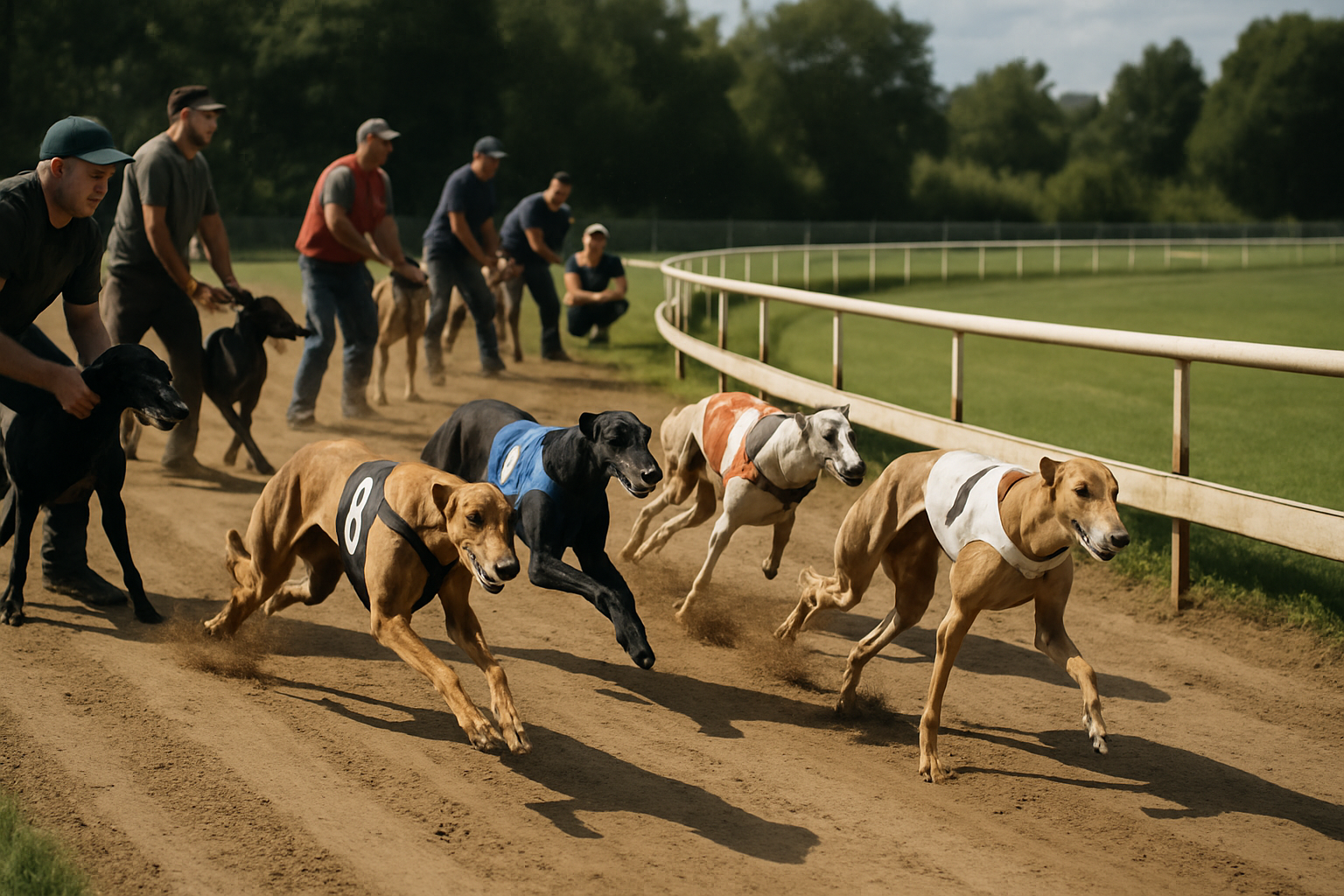
The process is designed to identify the most consistent and resilient dogs, as only those that perform well under pressure advance. Handlers and trainers play a crucial role in this phase, carefully managing their dogs’ schedules to ensure peak performance during qualifiers. Some championships also incorporate weight divisions or handicap systems to level the playing field, adding another layer of strategy to the competition. For many greyhounds, qualifying for a major championship is the culmination of years of training and preparation, making it a momentous achievement for both dog and handler.
Training and Preparation for Championship-Level Racing
Preparing a greyhound for championship-level competition requires a meticulous blend of physical conditioning, mental stimulation, and strategic planning. Trainers often start with a foundation of sprint work, gradually increasing the dog’s speed and endurance through interval training. Many elite greyhounds run multiple short-distance races per week during the off-season to build stamina, while others focus on longer distances to adapt to specific track conditions. Nutrition is another critical factor, with high-protein diets and supplements tailored to support muscle recovery and joint health.
Beyond physical training, mental preparation is equally important. Greyhounds are sensitive animals, and their performance can be affected by stress, unfamiliar environments, or distractions. Handlers use techniques like crate training, socialization with other dogs, and exposure to race-day atmospheres to acclimate their dogs to the pressures of competition. Some trainers even employ sports psychologists to help dogs stay focused and calm under the bright lights of a championship event. The result is a finely tuned athlete capable of delivering peak performance when it matters most.
The Role of Handlers and Trainers in Championship Success
Behind every championship-winning greyhound is a skilled handler and trainer whose expertise can make the difference between victory and defeat. Handlers are responsible for the day-to-day care of the dogs, including feeding, exercise, and injury prevention, while trainers focus on race strategy, conditioning, and performance analysis. The best in the business develop an almost intuitive understanding of their dogs’ strengths and weaknesses, allowing them to tailor training programs to maximize potential.
In championship races, handlers play a critical role in the moments leading up to the start. They must ensure their dogs are properly warmed up, hydrated, and mentally prepared for the race. During the event, handlers monitor their dogs’ behavior for signs of fatigue or distress, making split-second decisions that can impact the outcome. Trainers, meanwhile, analyze race footage and performance data to refine strategies for future competitions. The collaboration between handler and trainer is a dynamic partnership, built on trust, experience, and a shared commitment to excellence.
Betting and Fan Engagement in Greyhound Racing Championships
Greyhound racing championships are not just about the competition—they’re also a major draw for bettors and fans who thrive on the excitement of wagering. Betting markets for these events are diverse, ranging from simple win/place/show bets to more complex exotic wagers like trifectas and superfectas. Odds are influenced by factors such as a dog’s past performance, track conditions, and even the reputation of its handler or trainer. For many fans, the thrill of predicting the outcome and potentially winning big is a key part of the championship experience.
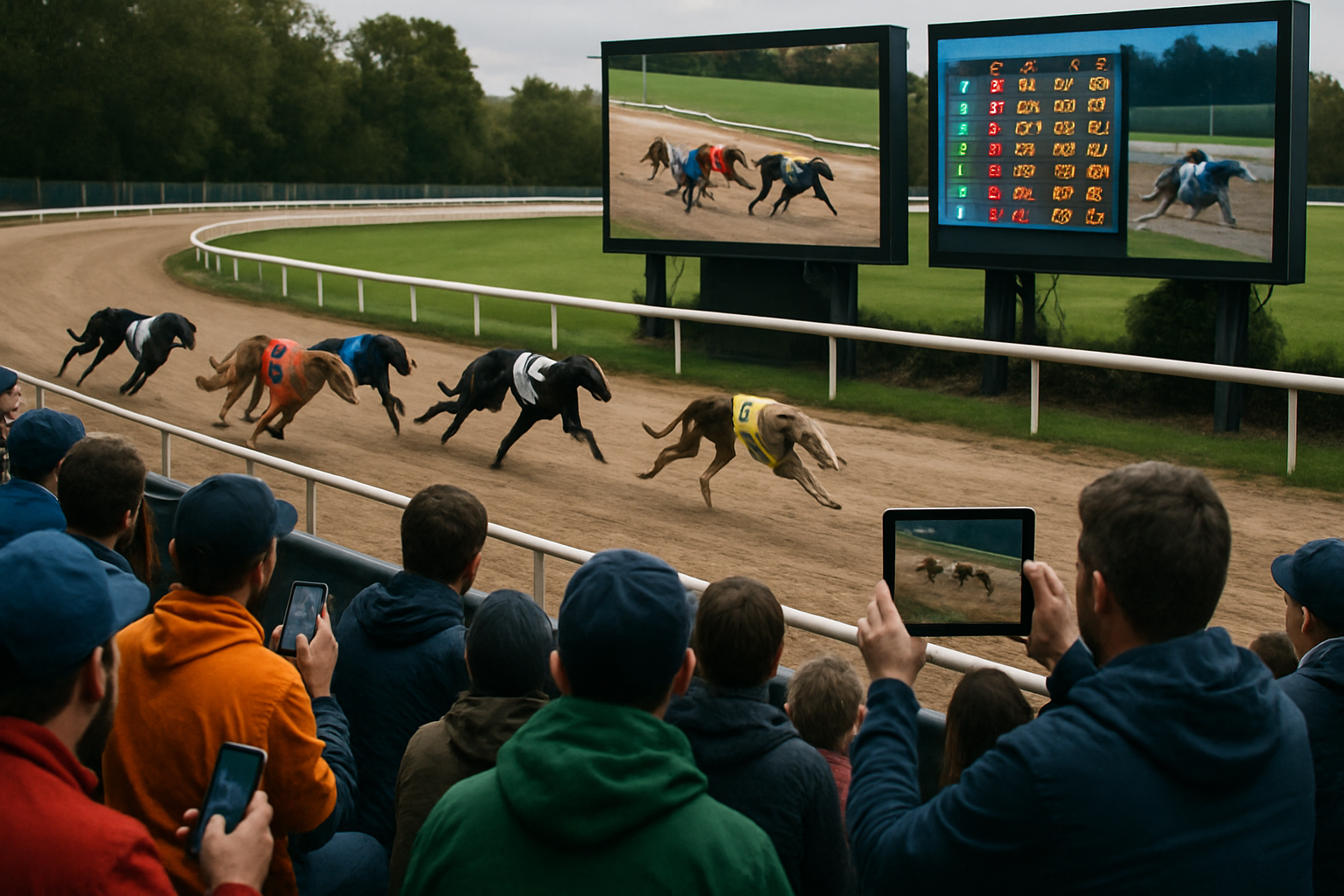
Beyond betting, fan engagement has evolved with the rise of digital platforms. Live streaming, social media updates, and interactive apps allow fans to follow races in real time, access expert analysis, and connect with other enthusiasts. Some championships also offer behind-the-scenes content, such as interviews with handlers or footage of training sessions, to deepen the connection between fans and the sport. This blend of tradition and innovation ensures that greyhound racing championships remain a vibrant and dynamic spectacle for audiences worldwide.
The Future of Greyhound Racing Championships
The future of greyhound racing championships is shaped by both challenges and opportunities. On one hand, the sport faces increasing scrutiny over animal welfare, with some regions imposing bans or stricter regulations. On the other hand, advancements in technology, such as GPS tracking and biometric monitoring, are enhancing the safety and performance of racing greyhounds. These innovations could help address welfare concerns while also attracting a new generation of fans who value transparency and data-driven insights.
Another key trend is the globalization of the sport, with more international collaborations and cross-border competitions emerging. Events like the World Greyhound Racing Federation Championships bring together the best dogs from multiple countries, fostering a sense of unity and shared passion. Additionally, the rise of esports-style betting and virtual greyhound racing offers new revenue streams and engagement opportunities. As the sport continues to adapt, one thing remains certain: greyhound racing championships will continue to captivate audiences with their blend of speed, strategy, and spectacle.

Growing up near the local track, I developed a lifelong fascination with the athleticism and strategy behind greyhound racing. I spend my free time analyzing past performances and studying breeding lines to better understand the nuances of every race. Sharing insights and celebrating the incredible speed of these dogs is what keeps me passionate about the sport.