Greyhound racing fan communities are the lifeblood of a sport that thrives on passion, tradition, and the electric atmosphere of the track. These groups are more than just spectators, they’re historians, handicappers, and advocates who keep the sport alive through thick and thin. Whether it’s the seasoned bettors at Daytona Beach Kennel Club or the families gathering at Wheeling Island for a night of racing, these communities form a tight-knit network that spans generations. They share tips on form guides, debate the merits of different tracks, and celebrate the dogs that become local legends. In an era where greyhound racing faces declining tracks and shifting public opinion, these fans are the ones who show up, rain or shine, to keep the sport’s spirit alive.
The Core of Greyhound Racing Fandom: Who Are These Fans?
The typical greyhound racing fan isn’t just someone who shows up for a quick bet and leaves. These are people who know the sport inside and out, from the nuances of trap draws to the quirks of individual trainers. Many have been attending races for decades, passing down their love for the sport from parents to children. At tracks like Derby Lane in St. Petersburg, Florida, you’ll find retirees who’ve been coming since the 1970s, alongside younger fans who’ve discovered the thrill of the chase through online forums or social media. The demographics skew older, but there’s a growing contingent of millennials and Gen Z fans who appreciate the sport’s raw, unfiltered nature, no commercial breaks, no overproduced halftime shows, just dogs running at 45 miles per hour.
What unites these fans is a deep respect for the greyhounds themselves. Unlike horse racing, where the animals are often seen as distant, almost mythical creatures, greyhound fans interact with the dogs up close. Many tracks allow fans to meet the racers before or after the races, and some even offer adoption programs where retired dogs find new homes. This connection fosters a sense of responsibility among the community. Fans aren’t just cheering for a winner, they’re rooting for the well-being of the dogs, which adds a layer of emotional investment that’s rare in other sports. The bond between fan and greyhound is palpable, especially when a local favorite like “B’s Rocket” or “Kiowa Sweet Trey” takes the lead in the final stretch.
How Greyhound Racing Communities Organize Themselves
Greyhound racing fan communities don’t just exist at the track, they thrive online, in local clubs, and even in informal betting pools at workplaces or barbershops. Facebook groups like “Greyhound Racing Fans” and “USA Greyhound Racing” have tens of thousands of members, where fans share race replays, discuss track conditions, and debate the merits of different breeding lines. These groups are goldmines of information, especially for newcomers trying to understand why a dog like “World of Wonder” might be a longshot at 20-1 odds despite a strong recent performance. Some of the most active members are former industry insiders, retired trainers, track officials, or even ex-owners, who provide insider perspectives that you won’t find in the official race programs.
Offline, many communities center around local tracks, which often double as social hubs. Tracks like Southland Casino Racing in West Memphis, Arkansas, or Mardi Gras Casino in Hallandale Beach, Florida, host themed race nights, live music, and even charity events that draw crowds beyond the usual betting crowd. Some tracks have fan clubs that meet monthly to discuss upcoming races, organize bus trips to major events like the Greyhound Derby, or even sponsor dogs through adoption programs. These clubs often have their own traditions, like the “Lucky Hat Night” at Wheeling Island, where fans wear their most outrageous headgear for a chance to win prizes. The sense of camaraderie is strong, and it’s not uncommon for fans to travel hundreds of miles to support their favorite tracks or dogs.
The Role of Handicapping in Fan Culture
Handicapping, the art of predicting race outcomes, is the backbone of greyhound racing fandom. Unlike horse racing, where pedigree and jockey skill play huge roles, greyhound handicapping is all about the dog’s form, the track’s surface, and the trap draw. Fans spend hours poring over past performances, looking for patterns like a dog’s preference for inside or outside traps, their closing speed, or how they handle different track conditions. A dog that consistently finishes strong in the final 50 yards, for example, might be a smart bet in a race where the early leaders tire out. Websites like Greyhound-Data.com and Racing Post provide detailed statistics, but many fans swear by their own systems, whether it’s tracking a dog’s “class drop” (when a high-performing dog is entered in a lower-stakes race) or looking for “bounce-back” performances after a rough outing.
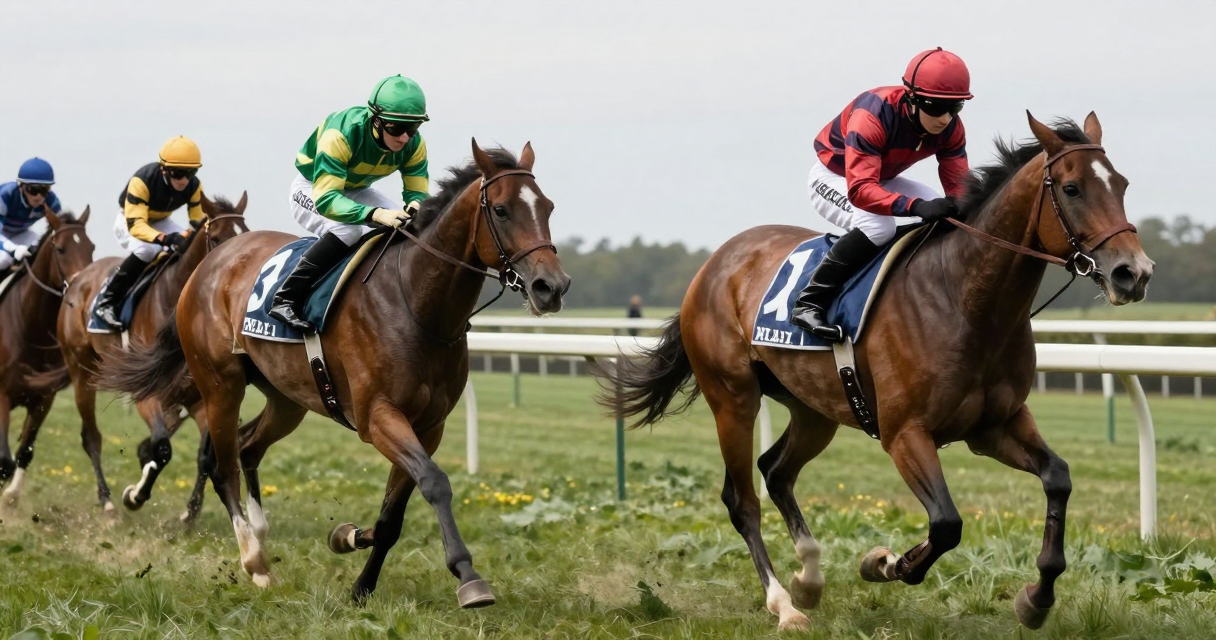
The handicapping culture extends beyond just picking winners. Fans love to debate strategies, like whether it’s better to bet on a dog with a strong early speed or one that comes from behind. Some tracks even host handicapping contests where fans compete for cash prizes or track credits. The most dedicated handicappers keep detailed notebooks or spreadsheets, tracking every race they watch and refining their methods over time. This analytical side of the sport is what keeps many fans engaged, even when they’re not at the track. It’s not just about the thrill of the bet, it’s about the satisfaction of outsmarting the odds, and the bragging rights that come with it.
Major Events That Bring Fans Together
The greyhound racing calendar is packed with events that draw fans from across the country, turning local tracks into temporary meccas for the sport. The biggest of these is the Greyhound Derby, held annually at tracks like Wheeling Island or Daytona Beach. This event is the Super Bowl of greyhound racing, with the best dogs in the country competing for a six-figure purse. Fans book hotels months in advance, and the stands are packed with people who’ve traveled from as far as California or New York to see the action. The Derby isn’t just about the races, it’s a week-long festival with meet-and-greets, autograph sessions with top trainers, and even a “Fan of the Year” contest where the most dedicated supporters are recognized.
Other major events include the All-American Futurity, a race for young greyhounds that often serves as a preview of future stars, and the National Greyhound Association’s annual awards, where the best dogs, trainers, and tracks are honored. These events are where the community’s passion is on full display. Fans wear team colors, bring homemade signs, and even create their own traditions, like the “Derby Day Brunch” at some tracks, where fans gather before the races to eat, drink, and talk strategy. For many, these events are the highlight of the year, a chance to reconnect with old friends and celebrate the sport they love. The energy is electric, and it’s a reminder of why greyhound racing has endured despite its challenges.
The Challenges Facing Greyhound Racing Fan Communities
Greyhound racing fan communities are resilient, but they’re not immune to the sport’s struggles. The biggest challenge is the declining number of tracks. In 2001, there were over 50 greyhound tracks in the U.S. Today, there are fewer than 20, with some states, like Florida, phasing out commercial racing entirely. This has forced fans to travel farther to see live races, and many have turned to simulcast betting, watching races from other tracks via video feed, as a substitute. Simulcasting has kept some fans engaged, but it lacks the atmosphere of a live event. There’s no substitute for the roar of the crowd when a dog like “World of Wonder” surges ahead in the final stretch, or the smell of popcorn and beer that fills the air at a night race.
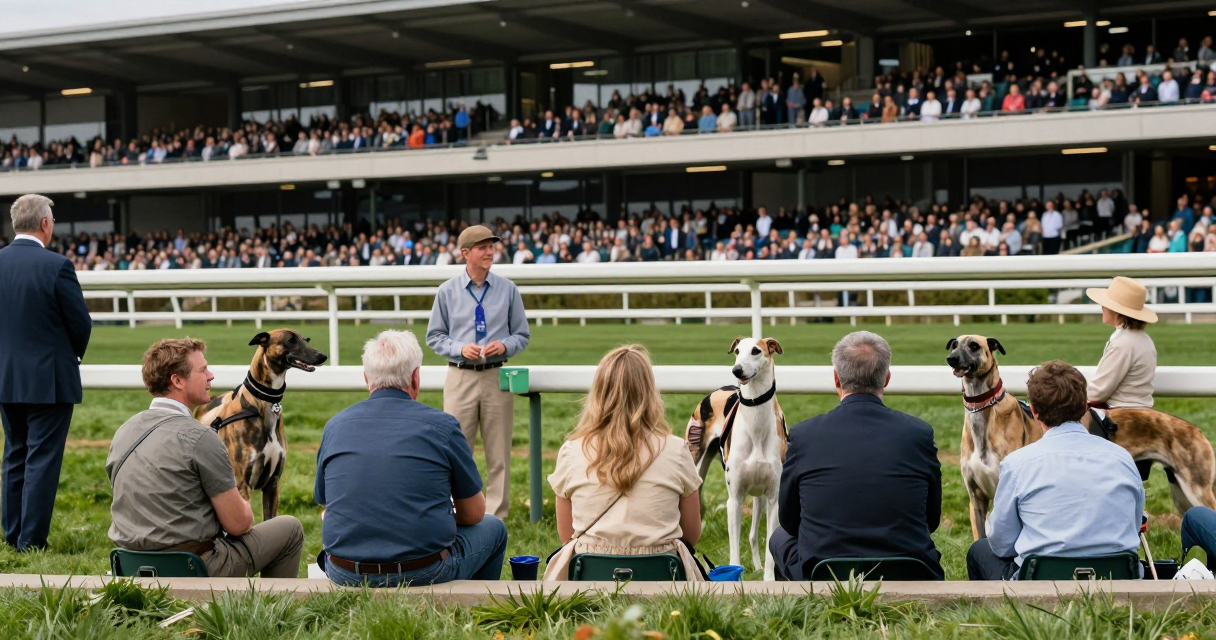
Another challenge is the sport’s public image. Greyhound racing has faced criticism from animal rights groups, who argue that the industry prioritizes profit over the dogs’ well-being. While many tracks have improved their standards, with better veterinary care, adoption programs, and stricter regulations, negative perceptions persist. This has led to a generational divide among fans. Older fans, who grew up with the sport, often dismiss the criticism as misguided, while younger fans are more likely to demand transparency and ethical treatment. Some communities have responded by becoming advocates for the dogs, organizing adoption drives and lobbying for stronger protections. Others have doubled down on their love for the sport, arguing that greyhound racing is one of the few sports where the animals are the true stars, not just props for human entertainment.
How Fan Communities Are Keeping the Sport Alive
Despite the challenges, greyhound racing fan communities are finding creative ways to keep the sport relevant. One of the most effective strategies has been the rise of online communities, where fans can connect, share information, and even organize virtual watch parties for major races. Platforms like Discord and Reddit have become hubs for discussion, with channels dedicated to everything from handicapping tips to track reviews. These online spaces have also become a lifeline for fans in areas where live racing is no longer available. For example, fans in states like Massachusetts, where commercial racing was banned in 2010, still follow the sport through simulcasts and online forums, keeping the community alive even when the tracks are gone.
Another key initiative is the push for more fan-friendly events. Tracks like Southland Casino Racing have started offering “Family Fun Days,” where kids can meet the dogs, learn about the sport, and even try their hand at handicapping. These events are designed to attract new fans and show that greyhound racing is more than just gambling, it’s a family-friendly sport with a rich history. Some communities have also embraced social media, using platforms like TikTok and Instagram to share highlights, behind-the-scenes content, and stories about retired greyhounds. These efforts are helping to shift the narrative around the sport, showing that it’s not just about the races, but about the people and dogs who make it special. The future of greyhound racing may be uncertain, but if the passion of its fan communities is any indication, the sport isn’t going away quietly.

Growing up near the local track, I developed a lifelong fascination with the athleticism and strategy behind greyhound racing. I spend my free time analyzing past performances and studying breeding lines to better understand the nuances of every race. Sharing insights and celebrating the incredible speed of these dogs is what keeps me passionate about the sport.