The debate between greyhound vs horse racing often oversimplifies the sport’s unique dynamics, but when viewed through the lens of greyhound racing, the differences become far more nuanced, and far more relevant for fans and bettors alike. While both sports share a thrill for speed and competition, greyhound racing operates on its own set of rules, training philosophies, and even physiological realities that set it apart from its equine counterpart. Whether you’re a seasoned punter or new to the sport, understanding these distinctions can sharpen your strategy, deepen your appreciation for the greyhound athlete, and help you avoid common pitfalls that trip up even the most dedicated followers. The key isn’t just to compare greyhound vs horse racing in theory, it’s to apply those insights practically, from race-day preparation to long-term breeding decisions.
How Race Tracks and Infrastructure Shape Performance in Greyhound vs Horse Racing
The first and most obvious difference between greyhound vs horse racing lies in the track itself, where the design isn’t just about aesthetics but directly impacts performance. Greyhound tracks, typically ovals with a straightaway and a tight turn, are engineered to maximize the dog’s explosive acceleration and endurance over shorter distances, usually 500 to 800 meters. The surface, often made of synthetic turf or dirt, is designed to grip the dog’s claws while allowing quick turns, which is critical because greyhounds rely on their speed in the straightaways rather than sustained galloping like horses. In contrast, horse racing tracks vary widely, from the flat, straight courses of steeplechase to the banked ovals of harness racing, but none replicate the sharp turns and abrupt starts that greyhounds face. This means a greyhound’s training must account for sudden deceleration and acceleration, something horse trainers rarely prioritize. For bettors, this translates to paying closer attention to a greyhound’s track record on specific surfaces, as a dog that excels on turf may falter on dirt, and vice versa.
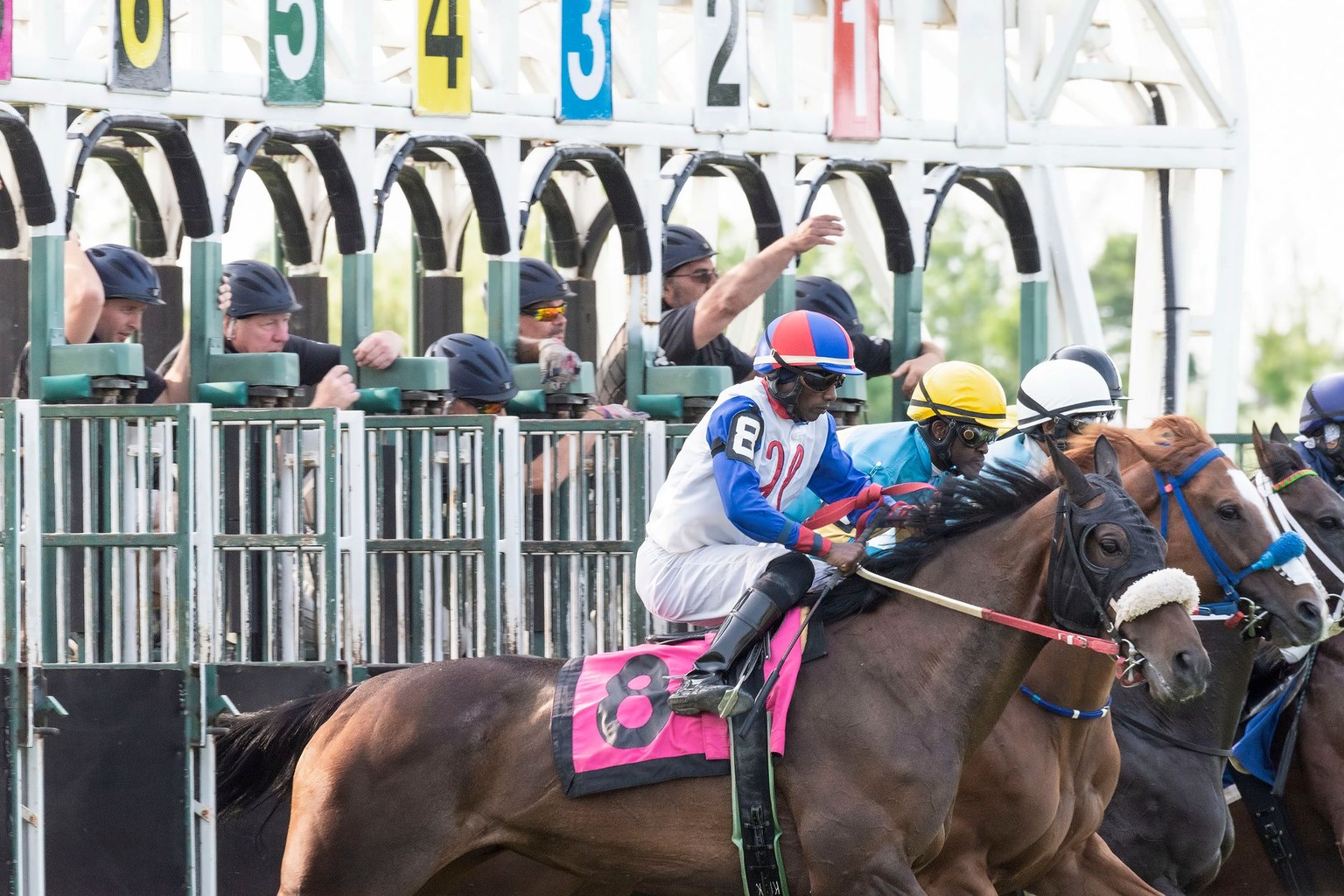
The infrastructure around the track also plays a role. Greyhound racing tracks often include a “starter’s gate” that releases the dogs simultaneously, a system that eliminates the “false start” issue common in horse racing, where a horse might bolt early and lose precious seconds. The starter’s gate ensures a clean, competitive race from the outset, which is why greyhound races are typically faster and more predictable in their early stages. Horse races, by comparison, can be derailed by early-moving horses or poor starts, adding variables that greyhound races rarely face. This consistency in greyhound racing makes it a more straightforward sport for handicapping, as long as you account for the track’s specific demands. For example, a greyhound bred for speed on a straightaway will perform differently on a track with tight turns, so always cross-reference a dog’s past races with the track layout.
Training Philosophies: Speed vs. Endurance in Greyhound vs Horse Racing
Training a greyhound isn’t just about running, it’s about harnessing instinct. Unlike horses, which are trained for endurance and stamina over long distances, greyhounds are bred and trained to burst at top speed over short sprints. Their training regimen focuses on explosive starts, sharp turns, and quick recovery, often involving simulated races on treadmills or in enclosed tracks to mimic the real race environment. A greyhound’s diet, too, is tailored to their high-energy needs; they require a protein-rich diet to maintain muscle mass, while their water intake must be carefully managed to prevent dehydration during races. Horse trainers, on the other hand, prioritize gradual conditioning to build endurance, with diets that balance carbohydrates for energy and fats for sustained performance. This difference isn’t just about the sport, it’s about the animal’s physiology. Greyhounds have a higher muscle-to-fat ratio, allowing them to reach speeds of 45 mph in a matter of seconds, whereas horses are built for longer, steadier speeds.
The mental training for greyhounds is just as critical as the physical. Dogs are trained to respond to a starter’s gun or electronic release, a skill that separates the best from the rest. Poorly conditioned greyhounds may hesitate at the start, costing them valuable seconds. In horse racing, the focus is more on the rider’s cues and the horse’s natural response to pressure, which is a different dynamic entirely. For greyhound trainers, the goal is to create a dog that’s not just fast but also mentally sharp enough to react instantly to the starter’s signal. This is why greyhounds often undergo rigorous mental conditioning, including desensitization exercises to ensure they don’t get spooked by the noise and movement of the track. Betting on greyhounds requires an understanding of this training, dogs that have been consistently conditioned to start clean will have a clear advantage over those that haven’t.
Betting Strategies: Why Greyhound vs Horse Racing Requires Different Tactics
Betting on greyhound vs horse racing demands a shift in strategy, primarily because the two sports reward different types of bettors. In horse racing, long-shot bets can pay off handsomely, especially in events like the Kentucky Derby, where underdogs occasionally pull off upsets. Greyhound racing, however, is more predictable in its odds, favorites often win, and the margins are tighter. This isn’t because greyhounds are less competitive but because their races are more about raw speed and consistency. A greyhound’s form over the past few races is a stronger indicator of future performance than a horse’s pedigree or jockey’s reputation. For example, a greyhound that has won three straight races on a specific track is far more likely to repeat than a horse with a similar record, simply because greyhound racing eliminates many of the variables that plague horse racing, like track conditions or weather.
On Global Data, they cover speed comparisons between animals – you can watch it right here.

Another key difference is the role of handicapping. In greyhound racing, handicappers rely heavily on statistical models that track a dog’s speed figures, which measure how fast a greyhound runs relative to others in a race. These figures are updated after every race, giving bettors real-time data to work with. Horse racing handicappers, meanwhile, often rely on more subjective factors, like class ratings or trainer reputations. Greyhound speed figures are particularly useful because they account for the track’s layout, meaning a dog’s performance on a straightaway track will look different from one on a track with tight turns. If you’re betting on greyhounds, focus on dogs with consistently high speed figures over multiple races, they’re the ones most likely to deliver on their potential.
The Role of Breeding: How Genetics Differ Between Greyhound vs Horse Racing
Breeding plays a pivotal role in both sports, but the priorities couldn’t be more different. In greyhound racing, the goal is to produce dogs with maximum speed and agility, which means selecting parents based on their sprinting ability and track record. Greyhounds are bred for their straight-line speed, and their lineage is often traced back to the fastest dogs in their bloodline. For instance, a greyhound with parents who were both top-tier sprinters is far more likely to inherit that speed. Horse breeding, by contrast, focuses on a mix of speed, stamina, and temperament, with horses often being bred for specific disciplines like flat racing, steeplechase, or endurance. A Thoroughbred bred for the Kentucky Derby will have different genetic traits than a Quarter Horse bred for sprinting, and the same logic applies to greyhounds. The best greyhound racers come from lines where speed is consistently passed down, whereas horse breeding often involves more complex genetic crosses to achieve the desired traits.
The impact of breeding on performance is most evident in the early stages of a dog’s career. A greyhound born to a champion sprinter is more likely to develop into a top-tier racer early on, whereas a horse may take years to reach its full potential. This is why greyhound trainers often look for signs of speed in puppies as early as six months old, testing them in controlled races to gauge their potential. In horse racing, young horses are often evaluated through pattern races or maiden contests, but the process is slower and more gradual. For bettors, this means that in greyhound racing, you can often identify future stars earlier in their careers, whereas in horse racing, you might have to wait longer to see if a young horse has what it takes. If you’re betting on greyhounds, pay attention to the pedigree, dogs with proven speed in their bloodlines are the safest bets.
Common Mistakes Bettors Make When Comparing Greyhound vs Horse Racing
One of the most common mistakes bettors make when transitioning from horse racing to greyhound racing is assuming that the same betting strategies apply. For example, many horse racing fans fall into the trap of chasing long shots in greyhound races, only to find that the odds are rarely as generous as they seem. Greyhound races are more about value betting, finding dogs that are statistically likely to win but aren’t priced as favorites. Another mistake is ignoring the track’s impact on performance. A greyhound that excels on a straightaway track may struggle on a track with sharp turns, and vice versa. Bettors often overlook this detail, leading to unexpected losses. To avoid this, always check a dog’s past races on similar tracks before placing a bet. Additionally, many bettors underestimate the importance of a greyhound’s starter’s gate performance. A dog that starts clean will always have an advantage over one that hesitates, so pay attention to how a dog reacts at the start of each race.
Another pitfall is relying too heavily on a dog’s recent form without considering external factors. A greyhound that has won three races in a row might seem like a shoo-in, but if that streak was on a track with a specific surface or layout, their performance could vary on a different track. Horse racing bettors often make the same mistake by ignoring a horse’s track record, but in greyhound racing, the track’s influence is even more pronounced. For example, a greyhound that has never raced on a banked track might struggle with the added speed boost, while a horse accustomed to such conditions would find it easier. To mitigate this, use tools like speed figures and track ratings to compare a dog’s performance across different surfaces. Finally, don’t overlook the importance of a greyhound’s trainer. Some trainers have a knack for getting the most out of their dogs, while others may not. Researching a trainer’s win-loss record can give you valuable insights into which dogs are likely to perform well.
How to Prepare for Race Day: Greyhound-Specific Tips
Race day in greyhound racing isn’t just about picking the right dog, it’s about understanding the nuances of the event itself. Unlike horse races, which often have multiple heats or qualifying rounds, greyhound races are typically single-elimination, meaning each race is a standalone event with no second chances. This makes preparation even more critical. Start by reviewing the track’s conditions, is it wet, dry, or has it recently been resurfaced? Greyhounds perform best on consistent surfaces, so a sudden change in track conditions can affect their speed. Also, pay attention to the weather. While greyhounds are less affected by wind than horses, extreme heat or cold can impact their performance, especially if they’re not acclimated to the conditions. For example, a greyhound racing in a hot climate may tire more quickly than one used to cooler temperatures.
The timing of a race can also make a difference. Early morning races often have cooler temperatures, which can benefit greyhounds that are more sensitive to heat. Conversely, evening races might see a drop in performance if the dogs are fatigued from earlier races. Another key factor is the starting gate system. Some tracks use electronic gates, while others rely on traditional manual gates. Electronic gates release the dogs simultaneously, which is ideal for clean starts, whereas manual gates can sometimes lead to false starts. If you’re betting on a race with manual gates, look for dogs that have a history of clean starts, they’ll have a clear advantage. Finally, don’t forget to check the track’s betting lines before the race. Some tracks offer live betting, allowing you to adjust your wagers based on early movements in the race. This can be a game-changer for greyhound bettors, as it lets you capitalize on early leaders or underdogs that gain momentum.

Growing up near the local track, I developed a lifelong fascination with the athleticism and strategy behind greyhound racing. I spend my free time analyzing past performances and studying breeding lines to better understand the nuances of every race. Sharing insights and celebrating the incredible speed of these dogs is what keeps me passionate about the sport.