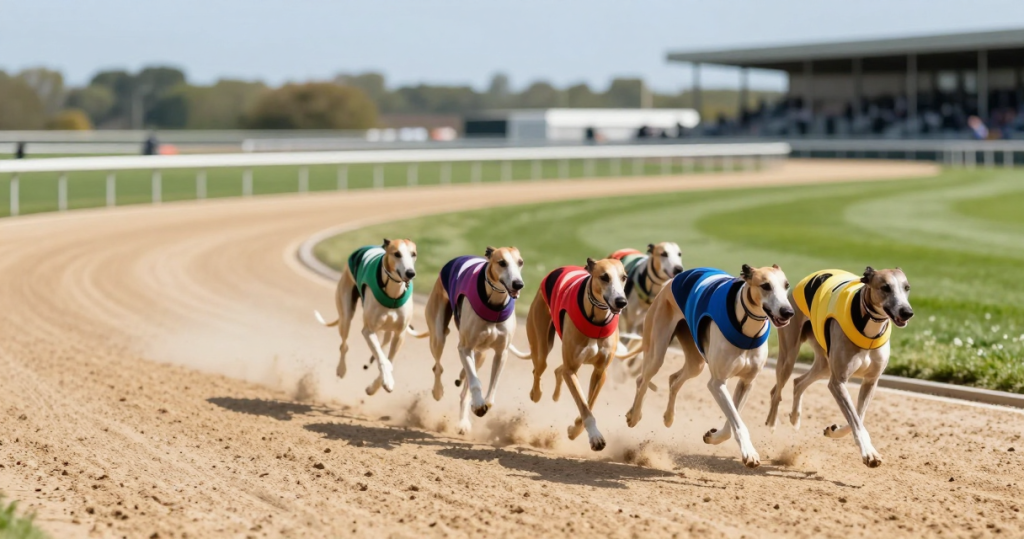
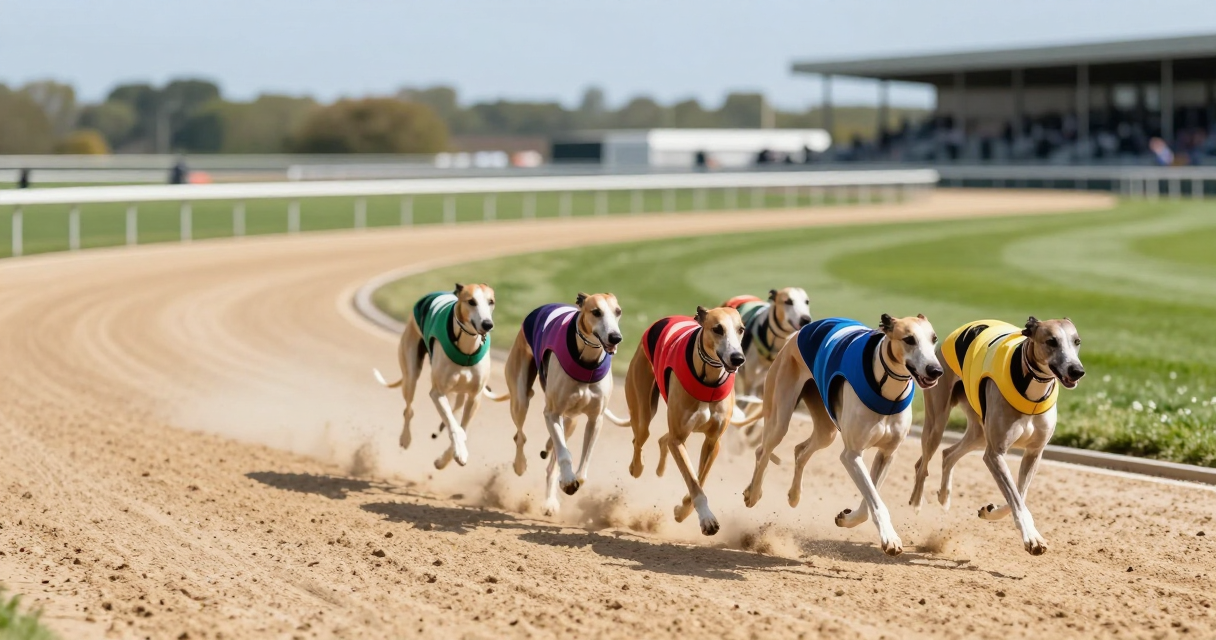
Greyhound racing, a sport with a rich history, has seen a myriad of regulations designed to ensure the safety and welfare of the dogs while maintaining the integrity of the sport. These regulations govern various aspects of racing, from the track’s physical environment to the treatment of the greyhounds themselves. Understanding greyhound track regulations is crucial for participants, spectators, and stakeholders alike. This article delves into the key components of these regulations, their implications for the sport, and the ongoing efforts to enhance the welfare of racing greyhounds.
Understanding Greyhound Track Regulations
Greyhound track regulations are a set of rules established to ensure safe and fair racing conditions. These regulations cover various aspects including the design and maintenance of the racing surface, the treatment of the dogs, and the operational procedures of the racetrack. The primary authority for these regulations in many regions is often a governing body dedicated to greyhound racing, such as the Greyhound Board of Great Britain (GBGB) in the UK or local racing commissions in the United States. These organizations implement rules that are periodically reviewed and updated to adapt to new research and practices concerning animal welfare and racing integrity.
The regulations can include stipulations on the age and health of greyhounds eligible for racing, the qualifications of trainers and officials, and the proper management of racing events. By adhering to these guidelines, tracks can create a safe environment for the dogs and ensure that the races are conducted fairly, thus preserving the sport’s reputation and sustainability.
Track Design and Safety Standards
One of the critical components of greyhound track regulations is the design and maintenance of the racing surface. To safeguard both owners and facilities, Dog Racing Insurance covers risks like injuries on tracks built for optimal safety. This includes ensuring that the surface is even and free from debris, which could cause accidents during races. Regular inspections are mandated to assess the condition of the track and make necessary repairs. Tracks are also required to have appropriate barriers to prevent greyhounds from straying off course, which can lead to injury or disqualification.
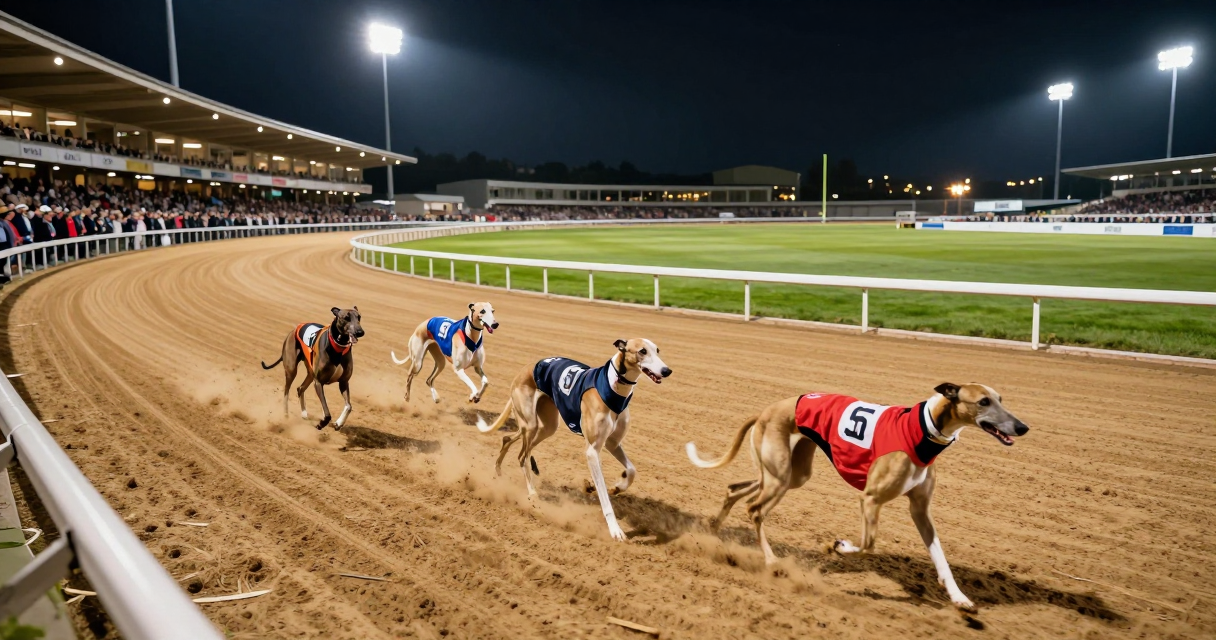
Moreover, safety extends beyond the track itself. Areas surrounding the racing circuit must be designed to accommodate spectators safely while providing quick access for emergency services. Lighting is another crucial factor, as proper illumination is necessary for night races to enhance visibility for both participants and officials. These design standards aim to create a secure environment where greyhounds can compete without undue risk.
Welfare of Racing Greyhounds
The welfare of racing greyhounds is a paramount concern reflected in regulations governing their treatment. Under the Welfare of Racing Greyhounds Regulations, stringent guidelines dictate how greyhounds are housed, trained, and transported to and from the tracks. For instance, kennel conditions must meet specific size requirements, and facilities must be equipped with both heating and cooling systems to ensure the dogs are comfortable at all times.
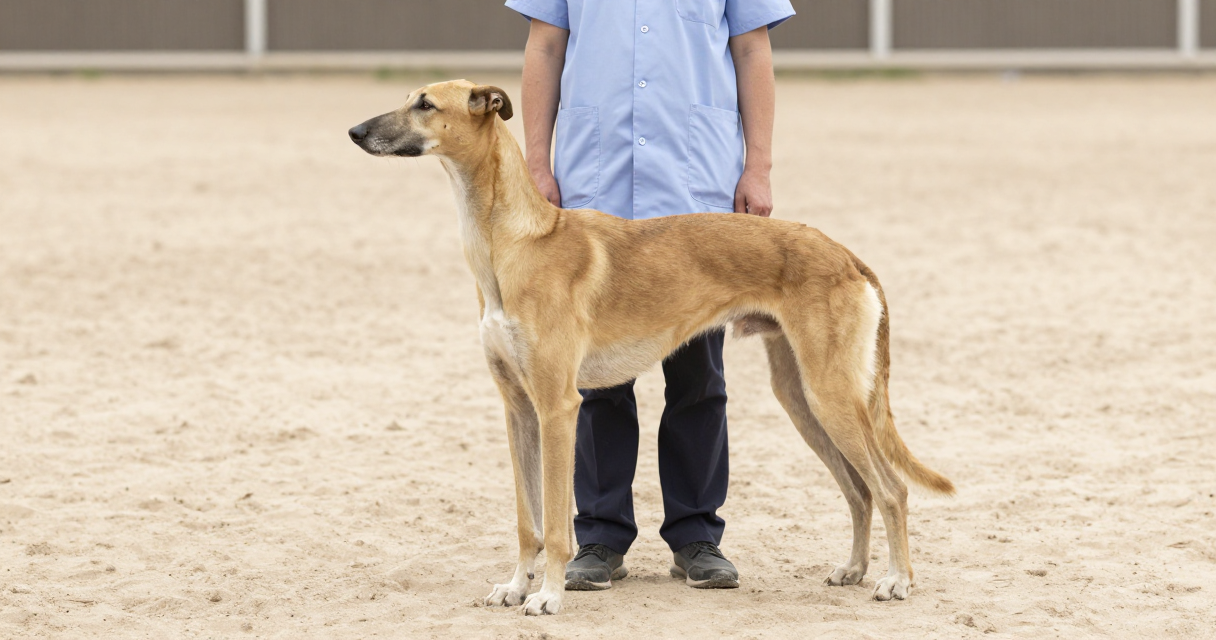
Additionally, trainers are required to maintain detailed records of each greyhound’s health and training regimen. Regular veterinary checks are mandated to monitor the dogs’ physical conditions, ensuring they are fit to race. These measures are crucial not only for the dogs’ health but also to ensure fair competition, as any underlying health issue can significantly impact a greyhound’s performance.
Race Management and Official Duties
Effective race management is essential for the smooth conduct of events. Regulations outline the roles and responsibilities of various officials, including the racing manager, judges, and stewards. The racing manager oversees the event’s organization, ensuring all protocols are followed, while judges are responsible for determining race outcomes and addressing any disputes that may arise during the event.
Track stewards play a vital role in maintaining the integrity of the races. They monitor the conduct of trainers and handlers, investigate any potential breaches of conduct, and ensure compliance with all regulations. Their presence is crucial in preventing corruption and ensuring that all participants adhere to the established rules, thus fostering a fair competitive environment.
Racing Procedures and Event Regulations
Specific procedures govern how races are conducted, including the preparation of race cards, withdrawal of dogs, and the declaration of “no race.” Each race card must provide detailed information about the participating greyhounds, including their ages, weights, and previous performances. This information is essential for bettors and spectators, allowing them to make informed decisions regarding their participation in the event.
If a greyhound needs to be withdrawn from a race due to health concerns or other valid reasons, regulations stipulate the proper procedures to follow. This includes notifying the racing manager and ensuring that the withdrawal is documented to maintain transparency. Furthermore, in cases where circumstances prevent a race from being completed, the declaration of “no race” must be made promptly, with clear communication to all stakeholders involved.
Regulations on Betting and Financial Practices
Understanding how betting on greyhounds works is key, as financial practices in this sport are strictly regulated. These rules ensure that betting is conducted fairly and transparently, protecting both participants and bettors. Track operators must adhere to strict guidelines regarding the acceptance of bets, payout structures, and the management of funds.
Additionally, regulations address potential issues related to bribery and corrupt practices. Any attempts to manipulate race outcomes through illegal means are met with severe penalties, including disqualification of the involved parties and possible bans from the sport. This commitment to integrity is essential for maintaining public confidence in greyhound racing and ensuring that the sport remains a legitimate and respected endeavor.
Future Directions for Greyhound Racing Regulations
As society’s understanding of animal welfare continues to evolve, so too do the regulations governing greyhound racing. Advocacy groups and animal welfare organizations are increasingly influencing the regulatory landscape, pushing for stricter standards and improved conditions for racing dogs. Many tracks are beginning to adopt best practices that prioritize the welfare of the greyhounds, often exceeding the minimum requirements set forth by governing bodies.
Future regulations may focus more on enhancing the lives of retired racing greyhounds, ensuring they are adopted into loving homes rather than facing uncertain fates post-career. With growing public awareness and concern for animal welfare, the sport may see significant changes aimed at improving conditions not only during racing but throughout a greyhound’s life.

Growing up near the local track, I developed a lifelong fascination with the athleticism and strategy behind greyhound racing. I spend my free time analyzing past performances and studying breeding lines to better understand the nuances of every race. Sharing insights and celebrating the incredible speed of these dogs is what keeps me passionate about the sport.