The world of greyhound racing is often defined by the sheer speed displayed on the track, but the true engine behind the sport resides in the kennels and the minds of the trainers. While the public sees the thirty-second burst of energy, they rarely see the months of conditioning, dietary planning, and psychological preparation that go into each performance. Gaining access to the thoughts and strategies of top-tier trainers provides an unparalleled advantage for understanding the nuances of the sport. These interviews peel back the layers of the racing industry, revealing the meticulous attention to detail required to turn a fleet-footed animal into a disciplined athlete. By listening to the experts who manage these canine sprinters, fans and punters alike can develop a deeper appreciation for the complexities of the chase and the variables that influence the outcome of every race.
The Art of Assessing Early Potential
Identifying a future champion from a litter of playful puppies requires a keen eye and extensive experience, a point consistently emphasized in conversations with leading handlers. Trainers look for specific physiological markers such as the shape of the feet, the slope of the shoulders, and the length of the stride, but they also place immense value on behavioral traits. A puppy that shows intense focus on a moving object or displays a competitive spirit during play is often earmarked for the track. This early assessment is not an exact science, relying heavily on the trainer’s intuition and their ability to project the puppy’s current development into future performance metrics.
The process of schooling young greyhounds involves a gradual introduction to the track environment, starting with basic obedience and moving to short sprint bursts. Trainers often discuss the importance of not pushing a young dog too hard, as injuries sustained during the developmental phase can derail a career before it truly begins. They use terms like “breaking in” to describe this critical period where the dog learns to chase the lure and navigate the turns without losing balance. A good trainer knows exactly when to push for more speed and when to ease off to preserve the dog’s mental and physical well-being.
Decoding Track Conditions and Biases
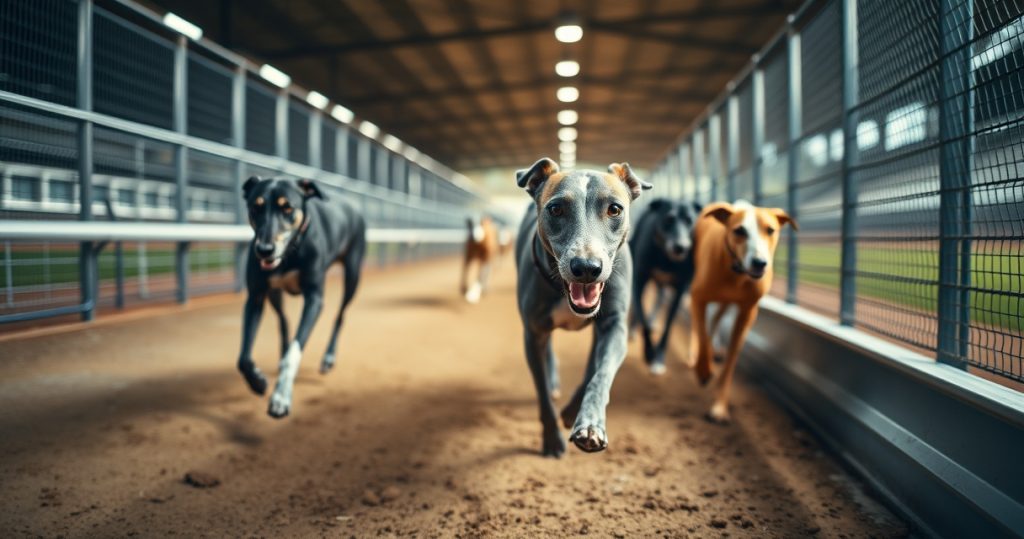
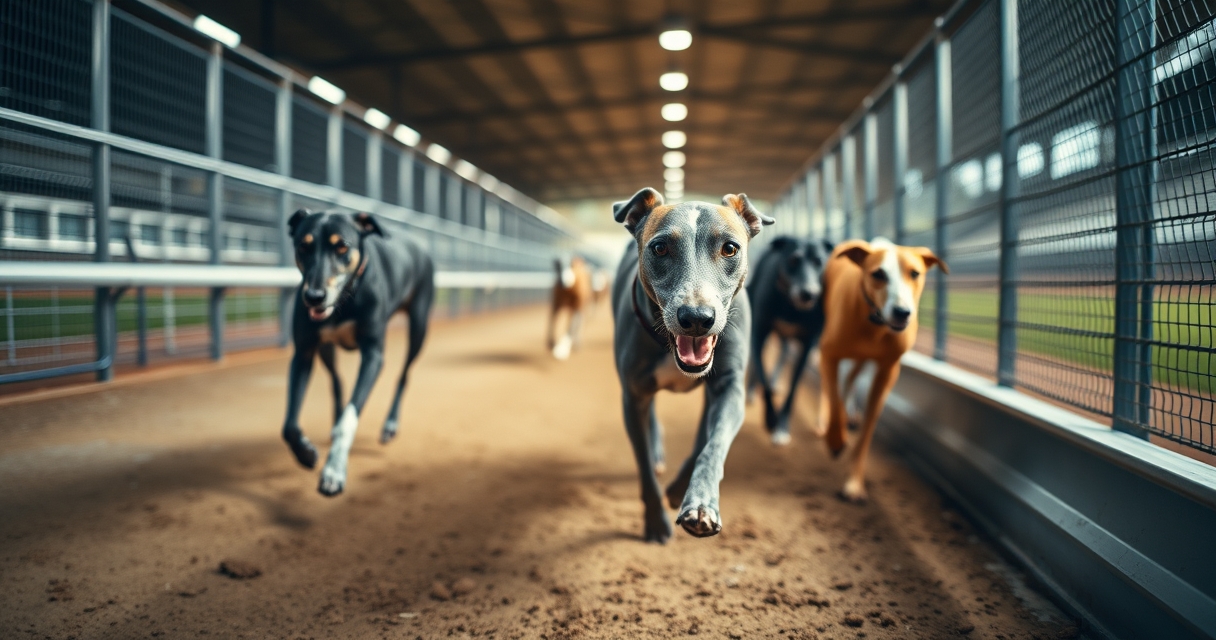
One of the most consistent themes in trainer interviews is the impact of track conditions on a dog’s performance. A surface that is wet or sandy can drastically change the dynamics of a race, favoring certain running styles over others. For instance, a dog with a high stride rate might struggle on a heavy track where digging in is required, whereas a powerful dog with a strong drive might thrive in those conditions. Trainers spend hours walking the track before a meeting, feeling the ground and observing the rail placement to determine the best strategy for their runners.
The concept of the “go” is a frequent topic of discussion, referring to the bias of the track on a particular day. Sometimes the inside boxes are advantageous due to a short run to the first turn, while on other days the rail might be pushed out, favoring wide runners. Experienced trainers will often scratch a dog or change its racing pattern based on these assessments. They understand that a dog’s previous times are only relevant when compared against the current state of the track, making their pre-race analysis invaluable for serious form students.
Nutrition and Physiology for Peak Performance
Diet plays a pivotal role in the career of a racing greyhound, and top trainers treat nutrition with the same rigor as human athletes. The standard diet usually consists of high-quality protein sources like beef, chicken, and kangaroo, supplemented with carbohydrates for energy and specific oils for coat health and joint mobility. In interviews, experts often stress that the timing of meals is just as important as the content, as feeding too close to a race can cause discomfort or lethargy. They constantly tweak the macronutrient ratios based on the dog’s workload, recovery needs, and individual metabolism.
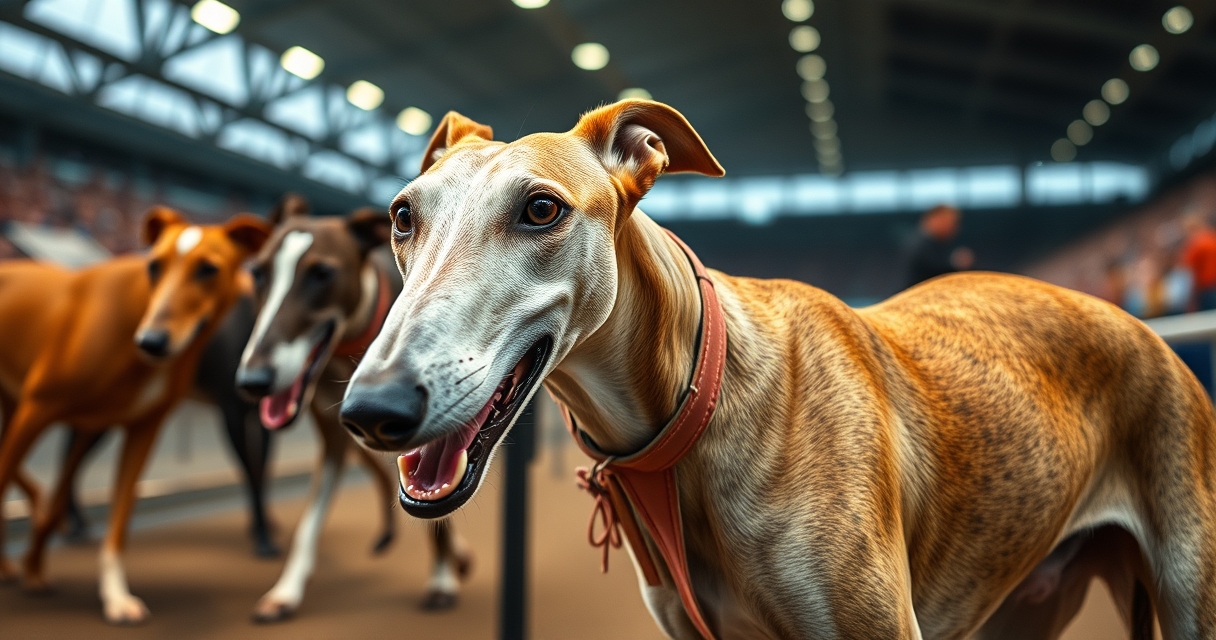
Beyond basic nutrition, modern trainers incorporate advanced physiological aids such as hydrotherapy, massage, and laser therapy to keep their dogs in peak condition. Recovery protocols have evolved significantly, moving from simple rest periods to active recovery techniques designed to flush out lactic acid and prevent muscle stiffness. Trainers are increasingly vocal about the benefits of these modalities, noting that a well-recovered dog is less prone to injury and more capable of sustaining high speeds throughout a long campaign. This scientific approach to physiology has raised the standard of performance across the board.
The Psychology of the Chasing Instinct
While physical attributes are crucial, the mental game of the greyhound is what separates the good from the great. Trainers frequently speak about the “chase drive,” an innate desire to pursue the lure that cannot be taught, only encouraged. Some dogs are natural chasers and will run until they drop, while others are more easily distracted and require mental stimulation to maintain their focus. Interviewing a handler reveals the psychological tricks they use, such as varying the training routine or using different types of lures to keep the dog engaged and hungry for success.
Behavioral issues like fighting in the boxes or wandering off the rail during a race can be detrimental to a dog’s career. Trainers act as behaviorists, analyzing the root causes of these problems and implementing corrective measures. They might use box training techniques to desensitize a dog to the noise and confinement of the starting traps or work on the dog’s socialization to reduce aggression. Understanding the temperament of each dog allows the trainer to place them in races where they are likely to settle and perform at their best, rather than putting them in situations that trigger their bad habits.
Injury Prevention and Management
Injuries are an unfortunate reality in greyhound racing, but the best trainers are those who excel at prevention and early detection. During interviews, seasoned professionals often share their methods for spotting subtle signs of injury before they become serious issues. This might involve watching for a slight change in gait, a hesitation in the kennel, or a reluctance to bear weight on a specific limb. By catching these problems early, they can administer treatment and rest, preventing a minor strain from becoming a career-ending tear.
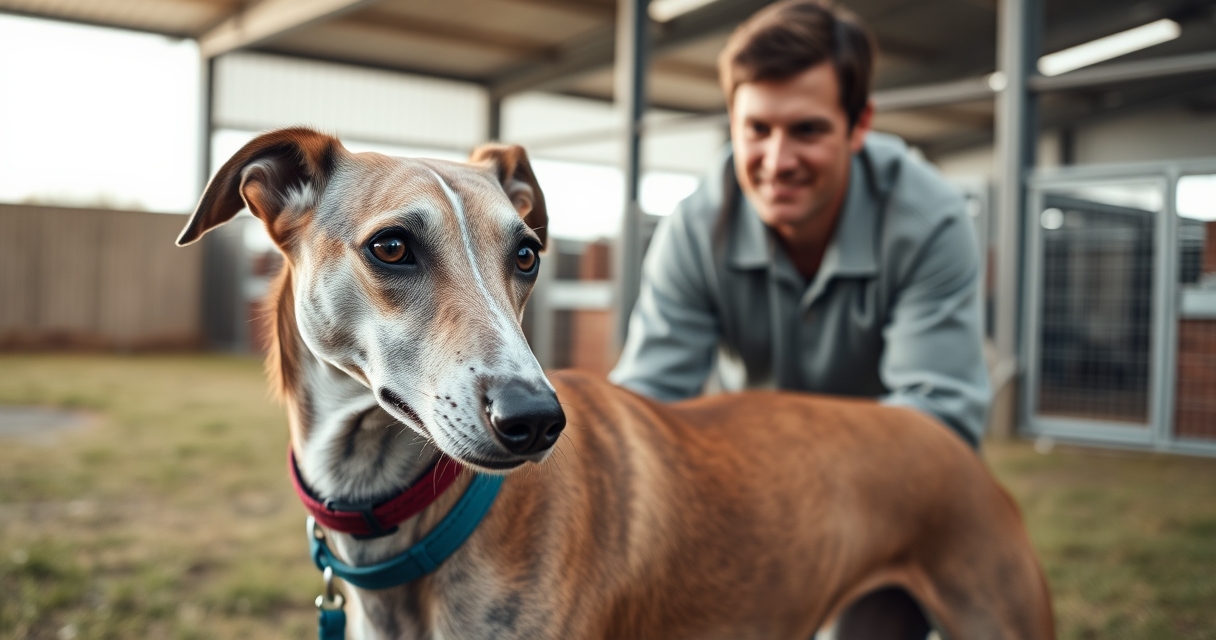
When injuries do occur, the rehabilitation process is a testament to the trainer’s patience and dedication. It is not simply a matter of waiting for the dog to heal, but rather a structured program of controlled exercise and veterinary care. Trainers often discuss the frustration of managing a recovering athlete, balancing the need to maintain fitness with the necessity of allowing the injury to fully repair. This aspect of the job highlights the strong bond between trainer and dog, as the handler must nurse the animal back to health with the hope of returning to the winner’s circle.
Strategic Race Planning and Placement
Securing a win is not just about having the fastest dog, it is about placing that dog in the right race at the right time. Trainer interviews often delve into the strategic side of the sport, discussing the intricacies of grading and race selection. A trainer must know their dog’s capabilities inside and out, understanding what class of competition suits them best and what distances favor their running style. Moving a dog up in grade too quickly can shatter its confidence, while keeping it in low-grade races for too long can stunt its development and earnings potential.
The logistics of travel and scheduling also play a significant role in race planning. Trainers must consider the fatigue factor when their dogs are traveling to different tracks or competing in frequent succession. They discuss the importance of timing a dog’s peak condition to coincide with major stakes races or prestigious events. This strategic overview requires a deep understanding of the racing calendar and the competition landscape, proving that the role of a trainer is as much about management and strategy as it is about hands-on animal care.

Growing up near the local track, I developed a lifelong fascination with the athleticism and strategy behind greyhound racing. I spend my free time analyzing past performances and studying breeding lines to better understand the nuances of every race. Sharing insights and celebrating the incredible speed of these dogs is what keeps me passionate about the sport.