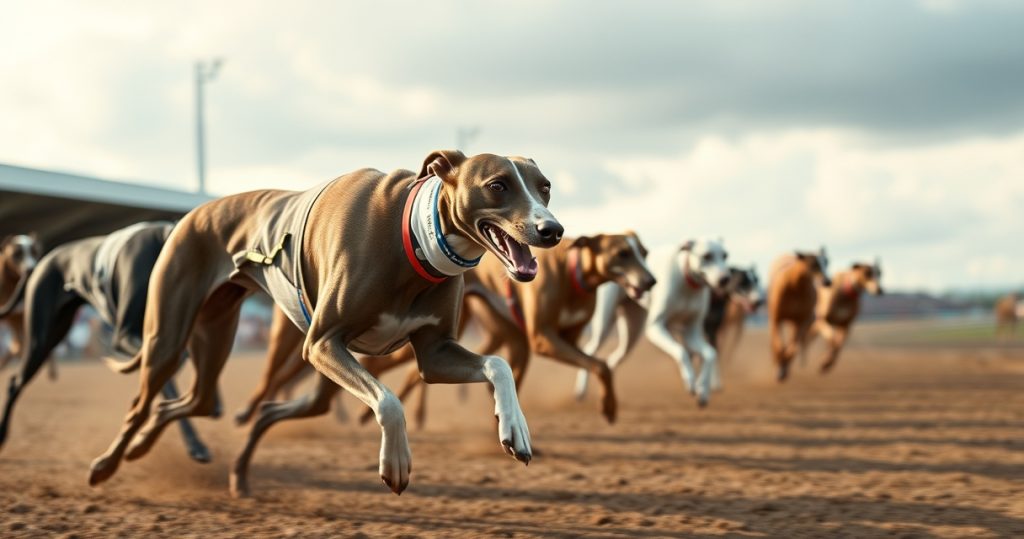
Greyhound racing has long been a source of fascination and entertainment, yet it has also been marred by significant controversies that raise ethical questions about animal welfare and the integrity of the sport. From reports of abusive training practices to the alarming number of greyhound injuries and fatalities, the darker side of this seemingly glamorous industry cannot be ignored. In recent years, public sentiment has shifted, leading to legislative changes aimed at regulating or even banning the sport in several states. As the industry grapples with these mounting challenges, the future of greyhound racing hangs in the balance, leaving fans and advocates divided over its fate.
Animal welfare concerns and on track injury rates
The greyhound racing industry has faced significant scrutiny due to persistent animal welfare issues, particularly concerning injury rates among the dogs. Reports indicate that the racing environment is rife with dangers, as greyhounds are susceptible to a variety of injuries, including fractures, sprains, and even fatal accidents. A study revealed that injury rates can reach alarming levels, with estimates suggesting that as many as 30 percent of racing dogs may sustain injuries during their careers. These statistics raise serious ethical questions about the safety and treatment of these animals in a sport driven by profit.
Many advocates for animal welfare argue that the conditions in which greyhounds are kept also contribute to their vulnerability on the track. Dogs often live in cramped, inadequate facilities that do not prioritize their well-being. Furthermore, the pressure to perform can lead to the use of performance-enhancing drugs, which not only compromise the dogs’ health but also increase the risk of injury during races. With growing awareness and advocacy against these practices, some states have begun to implement stricter regulations, yet the overall culture of greyhound racing remains resistant to change, leaving many dogs at continued risk.
Challenges in greyhound retirement and rehoming programs
The transition from racing to retirement poses significant challenges for greyhounds, as many of these dogs are not equipped for life outside the racetrack. Racing greyhounds typically live in kennel environments, which limit their exposure to everyday stimuli and socialization. This lack of exposure can lead to difficulties in adapting to a home setting, where they may struggle with basic household noises, interactions with other pets, and even unfamiliar human behaviors. Programs aimed at rehoming these dogs must prioritize training and socialization to ease this transition, which can be resource-intensive and time-consuming.
Additionally, the sheer number of greyhounds needing rehoming creates logistical issues for organizations involved in their retirement. With thousands of dogs exiting the racing industry, shelters and rescue groups often become overwhelmed. Many organizations operate on limited budgets and rely heavily on donations and volunteers, which can strain their ability to provide adequate care and training. This situation can lead to a backlog where dogs remain in temporary foster homes or shelters for extended periods, facing the risk of behavioral issues or health problems due to inadequate socialization and exercise. The challenge lies not only in finding homes but also in ensuring that these dogs receive the support they need to thrive in their new environments.
Doping scandals and drug testing in competitive racing
Doping scandals have plagued greyhound racing, raising serious concerns about the integrity of the sport. The use of performance-enhancing drugs in racing has been documented, with trainers sometimes resorting to illegal substances to boost their dogs’ speed and endurance. This not only jeopardizes the health of the animals but also undermines the fairness of competitions. Regulatory bodies have attempted to combat this issue by implementing strict drug testing protocols, but the effectiveness of these measures has often been questioned. For instance, in Florida, where greyhound racing has faced significant scrutiny, the state has made efforts to enhance testing procedures, yet critics argue that these measures are still insufficient to deter doping.
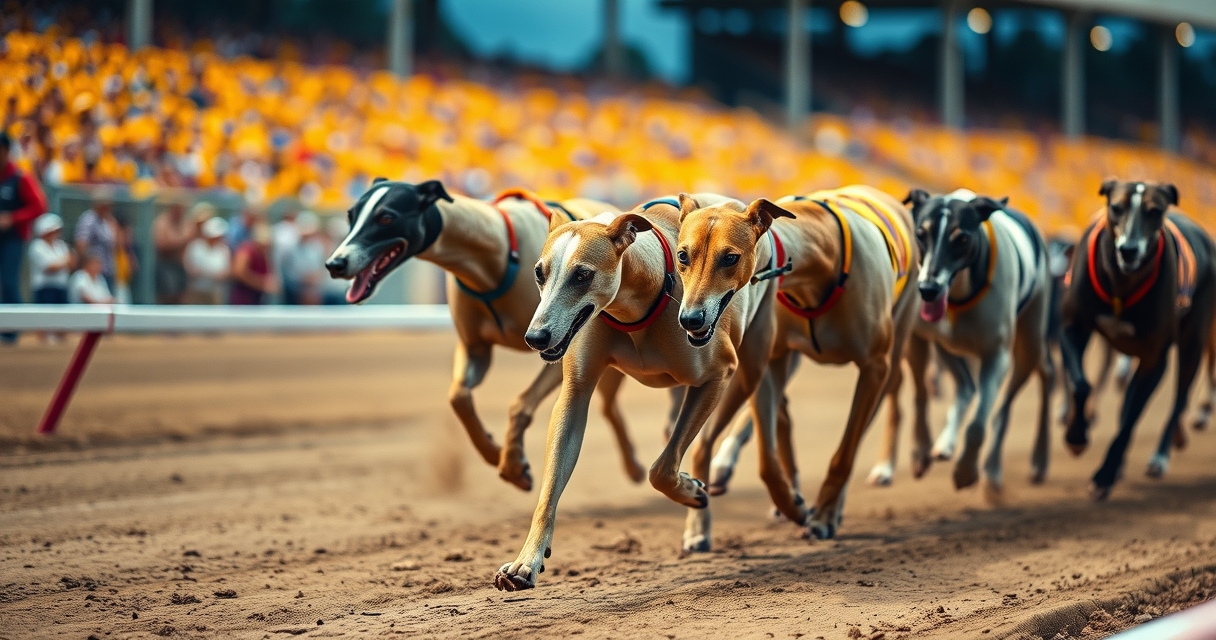
The testing process typically involves analyzing urine or blood samples from the dogs after races, looking for banned substances such as steroids or stimulants. Despite these efforts, the challenge remains in keeping up with the evolving methods of doping. Some trainers have become adept at using masking agents or lesser-known substances that evade detection. This cat-and-mouse dynamic between regulators and those looking to cheat has led to calls for more comprehensive testing and harsher penalties for violations. As the sport grapples with these challenges, the future of greyhound racing hangs in the balance, with public confidence at a low point.
Ethical issues surrounding mass breeding practices
The mass breeding of greyhounds for racing raises significant ethical concerns, particularly regarding the welfare of the animals involved. Breeders often prioritize speed and performance over the health and well-being of the dogs, leading to a range of physical and psychological issues. For instance, many greyhounds are bred in high numbers with the expectation that only a select few will excel in racing. This practice can result in a surplus of dogs that are often discarded or euthanized when they no longer meet the racing criteria. Reports indicate that approximately 30,000 greyhounds are bred annually in the United States, with a substantial number facing dire fates once their racing careers end.
Moreover, the conditions in which these dogs are kept can also be troubling. Many breeding facilities prioritize profit over humane treatment, leading to overcrowded and unsanitary living conditions. The lack of socialization and proper care can contribute to behavioral problems, making it difficult for these animals to adapt to life outside of racing. The ethical implications extend beyond the immediate treatment of the dogs; they also raise questions about the industry’s overall sustainability and the moral responsibility of those involved in greyhound racing. As public awareness grows, there is increasing pressure on regulatory bodies to enforce stricter breeding standards and improve the overall treatment of greyhounds.
Investigations into live baiting and training methods
Live baiting in greyhound racing has been a deeply troubling issue that has drawn significant scrutiny from animal welfare organizations and the public alike. Reports have surfaced alleging that some trainers use live animals, such as rabbits or possums, to entice greyhounds during training sessions. This method not only raises serious ethical concerns but also highlights a broader culture of neglect and cruelty within parts of the industry. Investigations, particularly in Australia, have revealed that this practice is not isolated and can be systemic, with some trainers facing penalties or bans for their involvement in such activities.
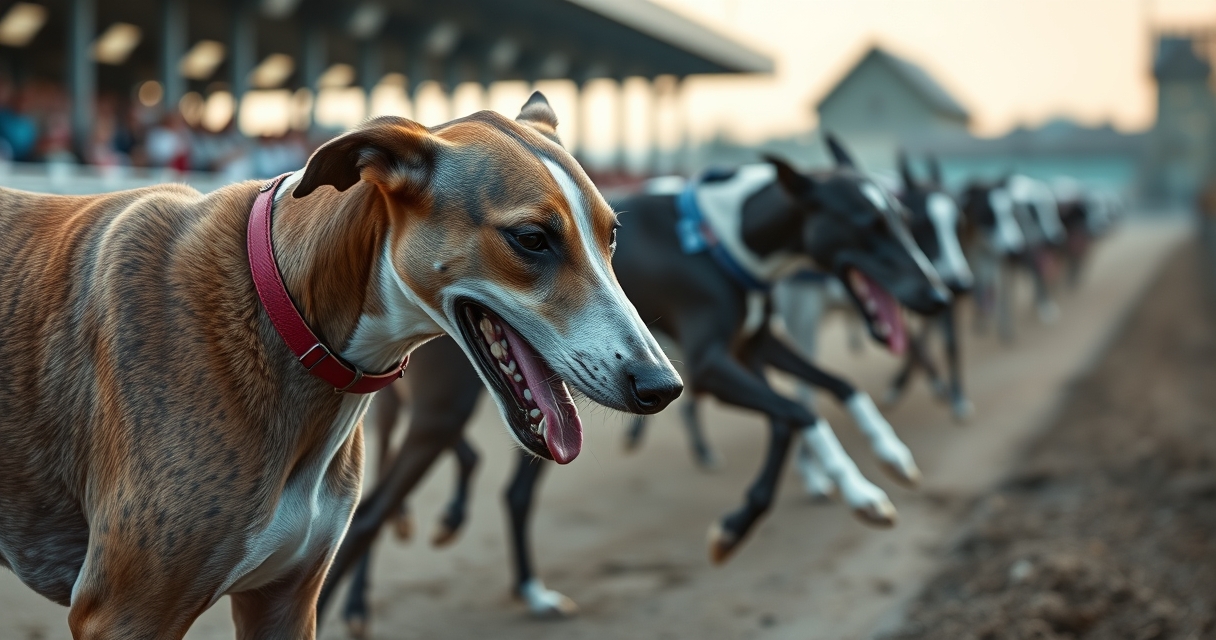
The consequences of these findings have sparked a wave of legislative changes aimed at ensuring the welfare of racing animals. In jurisdictions where greyhound racing is still permitted, stricter regulations have been implemented to prohibit live baiting and to enhance oversight of training practices. However, enforcement remains a challenge, as the underground nature of these activities can make detection difficult. The ongoing investigations serve as a stark reminder of the need for transparency and accountability in an industry that has often prioritized profit over the welfare of its animals.
Political pressure and the ban on greyhound racing
In recent years, political pressure has mounted against greyhound racing, leading to significant legislative changes across various states in the U.S. Activists and animal welfare organizations have rallied to expose the often harsh realities faced by these dogs, including reports of injuries, neglect, and even euthanasia. This activism has resulted in states like Florida and Arizona enacting bans on live greyhound racing, with Florida’s 2018 referendum marking a pivotal moment, as it led to the closure of all racetracks in the state. The vote reflected a growing public sentiment that prioritizes animal welfare over the interests of the racing industry.
As greyhound racing faces increasing scrutiny, the influence of public opinion and political action cannot be understated. Lawmakers are responding to their constituents’ concerns about animal cruelty, leading to more stringent regulations. In states where racing remains legal, there are calls for better oversight and humane treatment standards. For instance, the closure of the Tucson Greyhound Park after years of declining revenue highlights how economic viability is intertwined with ethical considerations. This shift indicates a broader cultural change, as society increasingly advocates for the rights of animals and demands accountability from industries that exploit them.

Growing up near the local track, I developed a lifelong fascination with the athleticism and strategy behind greyhound racing. I spend my free time analyzing past performances and studying breeding lines to better understand the nuances of every race. Sharing insights and celebrating the incredible speed of these dogs is what keeps me passionate about the sport.