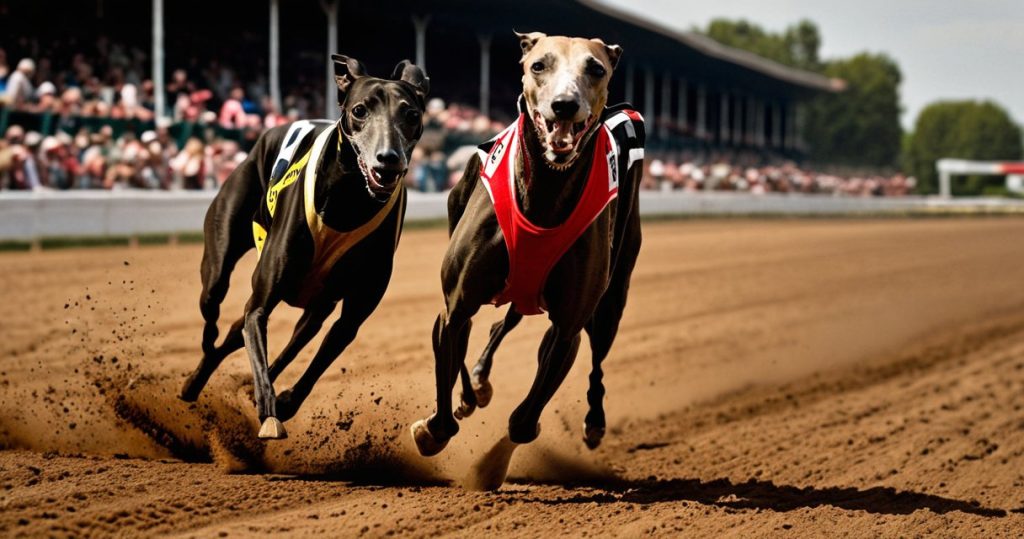
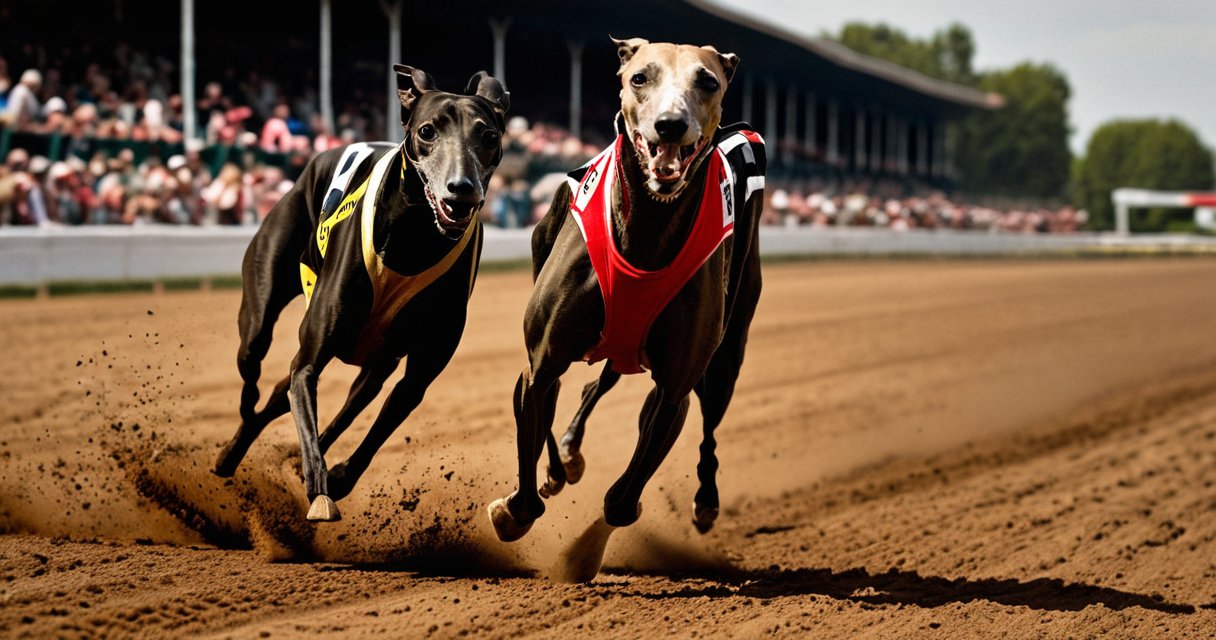
Greyhound racing has long captivated audiences with its thrilling speed and competitive spirit. As this sport continues to evolve, sponsorships have emerged as a significant driving force behind its growth and sustainability. These partnerships not only provide much-needed financial support but also shape the public perception of greyhound racing. In this article, we explore the multifaceted world of greyhound race sponsorships, examining their importance, the types of sponsors involved, and the controversies that can arise.
The Importance of Sponsorship in Greyhound Racing
Sponsorship in greyhound racing plays a crucial role in funding events, maintaining facilities, and promoting the sport to a broader audience. Without these financial partnerships, many tracks would struggle to operate, leading to fewer events and diminished opportunities for both dogs and fans. Sponsorships help cover costs associated with race promotions, prize money, and even the care of the dogs themselves. This financial backing can significantly enhance the overall experience for spectators, ensuring that races are well-organized and exciting.
Moreover, sponsorships serve as a bridge between the sport and potential new fans. Companies that sponsor races often engage in marketing campaigns that highlight the excitement and community aspects of greyhound racing. This can attract a more diverse audience and help counter negative perceptions surrounding the sport. As sponsors leverage their brand visibility at events, they foster an environment where the sport can thrive, benefiting both the racing community and the businesses involved.
Types of Sponsors in Greyhound Racing
The landscape of greyhound race sponsorship is diverse, encompassing a wide range of businesses and organizations. Traditional sponsors often include local businesses such as bars, restaurants, and hotels, which see the races as an opportunity to draw in customers. These local partnerships are essential for fostering community support and engagement, as they create a symbiotic relationship between the sport and its surrounding businesses.
In addition to local businesses, larger corporations have also entered the sponsorship arena. Brands in sectors like automotive, technology, and fast food have recognized the marketing potential of aligning with greyhound racing. These partnerships can elevate the profile of the sport, as major brands bring in larger budgets and extensive marketing resources. For instance, a well-known beverage company may sponsor a significant race, offering promotional deals that attract more spectators and media attention.
The Role of Government and Non-Profit Organizations
Government entities and non-profit organizations have also become involved in greyhound racing sponsorships, albeit in a more nuanced manner. Some local governments support the sport as part of broader tourism initiatives, recognizing the economic benefits that racing can bring to their regions. By sponsoring events or providing grants, they help ensure that racing remains a viable activity that can draw visitors and boost local economies.
Non-profit organizations focused on animal welfare and racing reform also play a role in sponsorship discussions. These groups may sponsor events to promote responsible racing practices and advocate for the well-being of the dogs. While their involvement can sometimes lead to tensions with traditional sponsors, it also emphasizes a commitment to improving the sport’s image and addressing ethical concerns surrounding greyhound racing.
Promotional Strategies Leveraged by Sponsors
Sponsors in greyhound racing often employ various promotional strategies to maximize their visibility and engagement with fans. One common approach is the use of branded merchandise, such as caps, shirts, and banners, which not only promote the sponsor but also enhance the overall event atmosphere. Creating a festive environment with engaging visuals can significantly impact spectators’ experiences, making them more likely to return for future races.
Additionally, sponsors may organize contests and giveaways during race events, offering fans the chance to win prizes while increasing brand awareness. These interactive strategies can create a memorable experience for attendees, turning them into brand advocates. Social media campaigns that tie into race sponsorships can also amplify the reach of promotional efforts, encouraging fans to share their experiences and engage with the sponsor’s brand online.
Controversies Surrounding Greyhound Race Sponsorships
Despite the benefits of sponsorship in greyhound racing, controversies often arise that can impact both sponsors and the sport as a whole. One significant issue is the ethical concerns surrounding animal welfare. As organizations advocating for animal rights continue to scrutinize greyhound racing, some sponsors have faced backlash for associating their brands with a sport that critics argue exploits animals. This has led to some sponsors withdrawing their support, fearing damage to their reputations.
In recent years, several high-profile sponsors have severed ties with greyhound racing events due to pressure from animal rights groups. This trend can create a ripple effect, causing additional sponsors to reconsider their involvement. Consequently, the sport may face financial challenges if it cannot secure new sponsorships to replace those lost, raising questions about its long-term viability.
The Future of Sponsorship in Greyhound Racing
Looking ahead, the future of sponsorship in greyhound racing will likely hinge on the industry’s ability to address ethical concerns while maintaining its appeal to sponsors. As public attitudes toward animal welfare continue to evolve, the sport must adapt by implementing more humane practices and enhancing transparency. Building trust with both sponsors and fans will be essential for securing ongoing financial support.
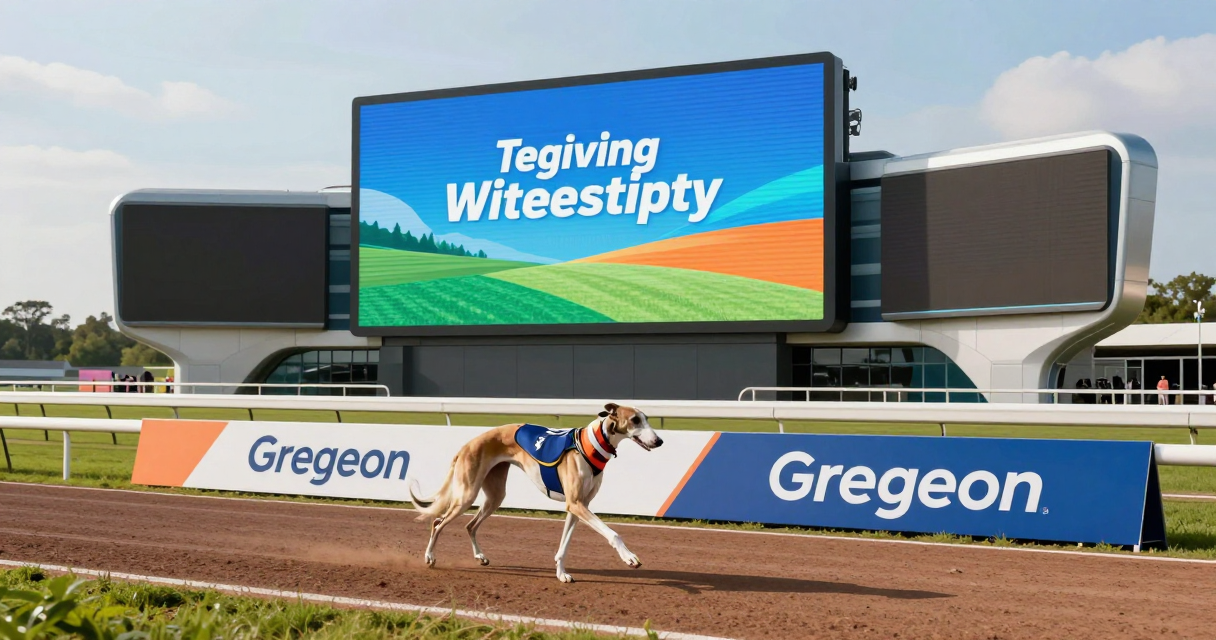
Innovative marketing strategies will also play a crucial role in attracting new sponsors. By showcasing the excitement of greyhound racing through digital platforms and engaging content, the sport can appeal to a younger audience. This demographic is often more socially conscious and may prioritize ethical considerations when choosing which brands to support. Therefore, aligning with sponsors that share similar values can strengthen the relationship between the sport and its financial backers.
Success Stories of Sponsorship in Greyhound Racing
Several notable success stories highlight the positive impact of sponsorship on greyhound racing events. For example, in regions where major corporations have invested in local tracks, attendance has surged, leading to increased revenues and enhanced facilities. These investments can improve the overall experience for fans and dogs alike, creating a win-win situation.
One shining example is the partnership between a prominent betting company and a major greyhound racing event. By sponsoring the event, the company not only boosted its brand visibility but also helped elevate the race’s profile, attracting a larger audience and generating more betting activity. This symbiotic relationship showcases how effective sponsorship can enhance the sport while providing tangible benefits to the sponsors involved.

Growing up near the local track, I developed a lifelong fascination with the athleticism and strategy behind greyhound racing. I spend my free time analyzing past performances and studying breeding lines to better understand the nuances of every race. Sharing insights and celebrating the incredible speed of these dogs is what keeps me passionate about the sport.