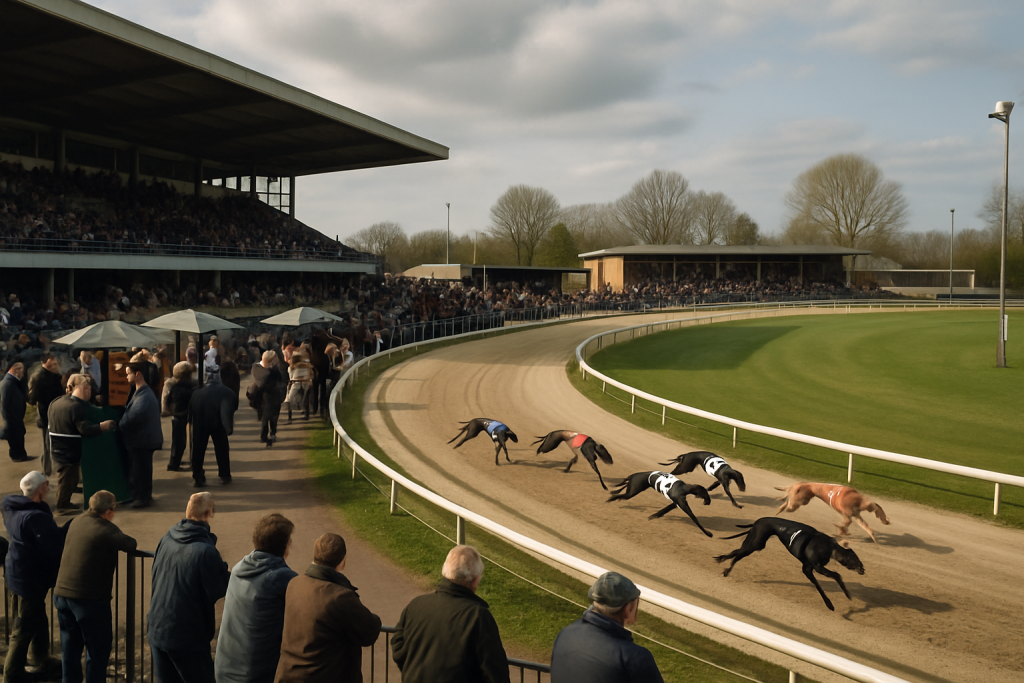
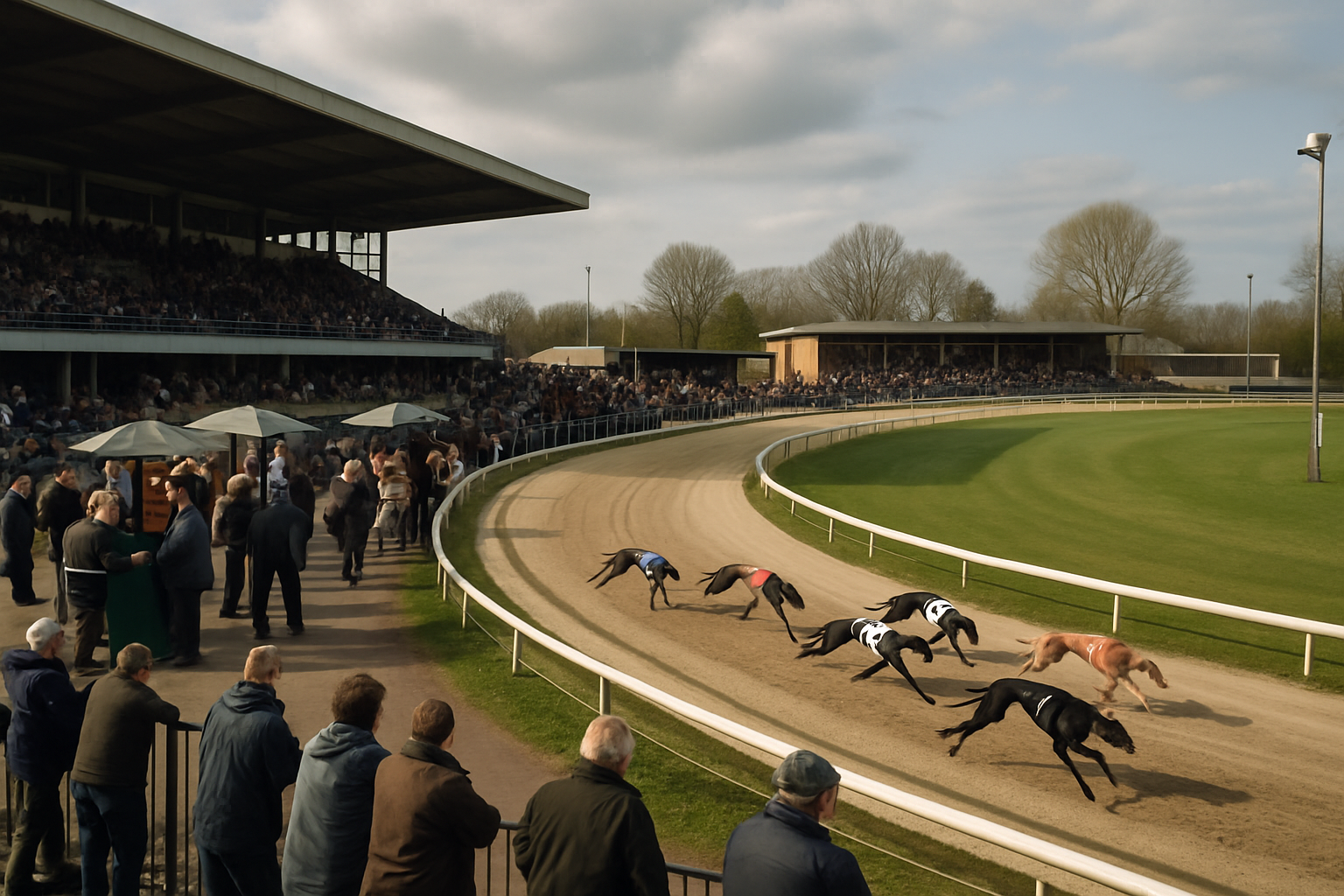
Greyhound racing, once a marquee attraction on the American gambling landscape, has been reshaped by shifting public attitudes, regulatory reforms, and the rise of digital wagering. While the sport’s heyday generated billions in betting revenue, today the industry survives on a fraction of that volume, split among a handful of physical tracks, televised simulcast venues, and increasingly sophisticated online platforms. Understanding how greyhound gambling functions now, and why its future remains contested, requires a look at the historical decline, the mechanics of the three wagering channels, and the ethical questions that continue to drive legislative change.
The Historical Peak and the Steep Decline
In the early 1990s, greyhound racing was a powerhouse of the U.S. gambling market, pulling in roughly $3.5 billion annually. That figure reflected a network of more than 70 tracks nationwide, each drawing crowds eager to bet on the sleek, high‑speed dogs. The revenue was fueled not only by the excitement of live betting but also by a cultural acceptance of animal‑based sports as entertainment. However, as animal‑rights activism gained momentum and states began to scrutinize the sport’s safety record, the industry’s financial foundation started to crumble.
By 2024, total wagering on greyhound races had fallen to under $360 million—a drop of over 90 percent. The contraction is evident in the closure of most tracks; only two remain operational in the United States, both situated in West Virginia. This dramatic contraction illustrates how public pressure, combined with tighter regulations, can rapidly transform a once‑lucrative gambling sector.
Live Wagering: The Last Physical Venues
Live wagering still exists, but it is confined to the Wheeling Island Casino Racetrack and the Mardi Gras Casino & Resort. In 2024 these two venues together saw $7,728,761 wagered, representing just 2.4 percent of all greyhound betting in the country. Patrons who attend these tracks experience the traditional pari‑mutuel system, where all bets are pooled, the house takes a commission (the “takeout”), and the remainder is divided among winning tickets. The odds fluctuate in real time, reflecting the total amount wagered on each dog.
Because the live audience is now a niche group, the tracks have diversified their revenue streams, adding casino games, food service, and concert events to attract a broader demographic. Yet the core attraction—watching dogs sprint around a sand‑filled oval—remains the same, and for many bettors the tactile, communal atmosphere of the track is irreplaceable.
Simulcast Wagering: Betting Without Leaving Home
Simulcast wagering allows fans to place bets on races that are occurring at distant venues, often displayed on large screens within a dedicated betting lounge. This model grew out of the need to keep betting activity alive after many physical tracks closed. Today, simulcast areas are present at the remaining U.S. tracks and at select off‑track betting locations, broadcasting races from Australia, Europe, and Mexico. By offering a constant feed of live action, simulcast betting sustains a broader betting pool and keeps the sport visible to a national audience.
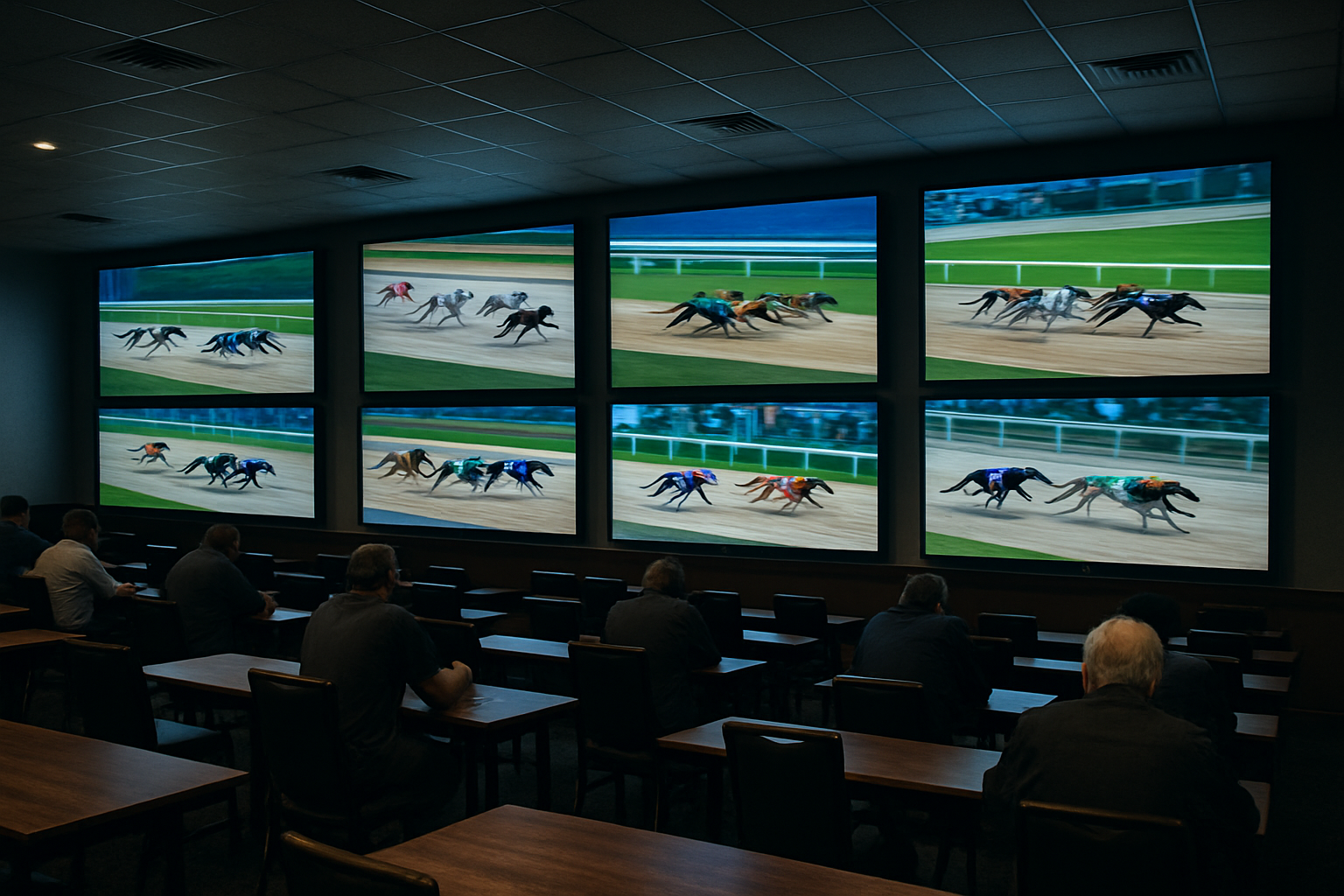
Foreign operators are increasingly eyeing the American market as a commercial outlet, selling broadcast rights to U.S. parlors and embedding their own betting platforms within the simulcast feed. This cross‑border flow of content expands the betting options for U.S. punters while also raising questions about the regulation of offshore wagering and the protection of consumers.
Advance Deposit Wagering: The Digital Frontier
Advance Deposit Wagering (ADW) represents the fastest‑growing segment of greyhound gambling. Platforms such as OffTrackBetting.com enable bettors to fund an account electronically, then place wagers that are entered directly into the pari‑mutuel pools of the host tracks. Because the wagers are processed in real time and settled at full track odds, the experience mirrors that of being on the track, but without the travel. In 2024, ADW services accounted for roughly 90 percent of total greyhound betting volume, underscoring the shift toward online participation.
Regulators view ADW as both an opportunity and a risk. On one hand, it provides a legal avenue for gambling in states where physical tracks are absent, potentially funneling tax revenue to state coffers. On the other hand, the anonymity of online accounts can obscure problem gambling behaviors and complicate the enforcement of animal‑welfare standards that were traditionally overseen by on‑site track officials.
Regulatory Landscape and the Push for Reform
State legislatures have taken divergent paths regarding greyhound betting. While West Virginia has preserved its two tracks, other states such as Rhode Island have moved to close loopholes that allowed betting on out‑of‑state races, citing concerns over animal cruelty and gambling addiction. The trend reflects a broader societal reassessment of whether the sport should be classified as a genuine competition or merely a vehicle for gambling revenue.
Federal oversight remains limited, leaving each state to define the licensing, taxation, and animal‑welfare requirements for its operators. This patchwork approach can create regulatory arbitrage, where promoters shift operations to the most permissive jurisdiction, potentially undermining efforts to enforce uniform standards for track safety and dog care.
Animal Welfare Concerns: The Hidden Cost of the Sport
Greyhound racing faces intense scrutiny over the treatment of the dogs themselves. Studies from Australia—a leading greyhound racing nation—show that an average of three dogs die each week on the track, with 28 sustaining injuries daily. In the United States, similar patterns emerge: a significant proportion of racing greyhounds are retired or discarded once they cease to be profitable. Estimates suggest that over 70 percent of greyhounds are euthanized or abandoned after their racing careers end, a figure that fuels activist campaigns for stricter oversight.
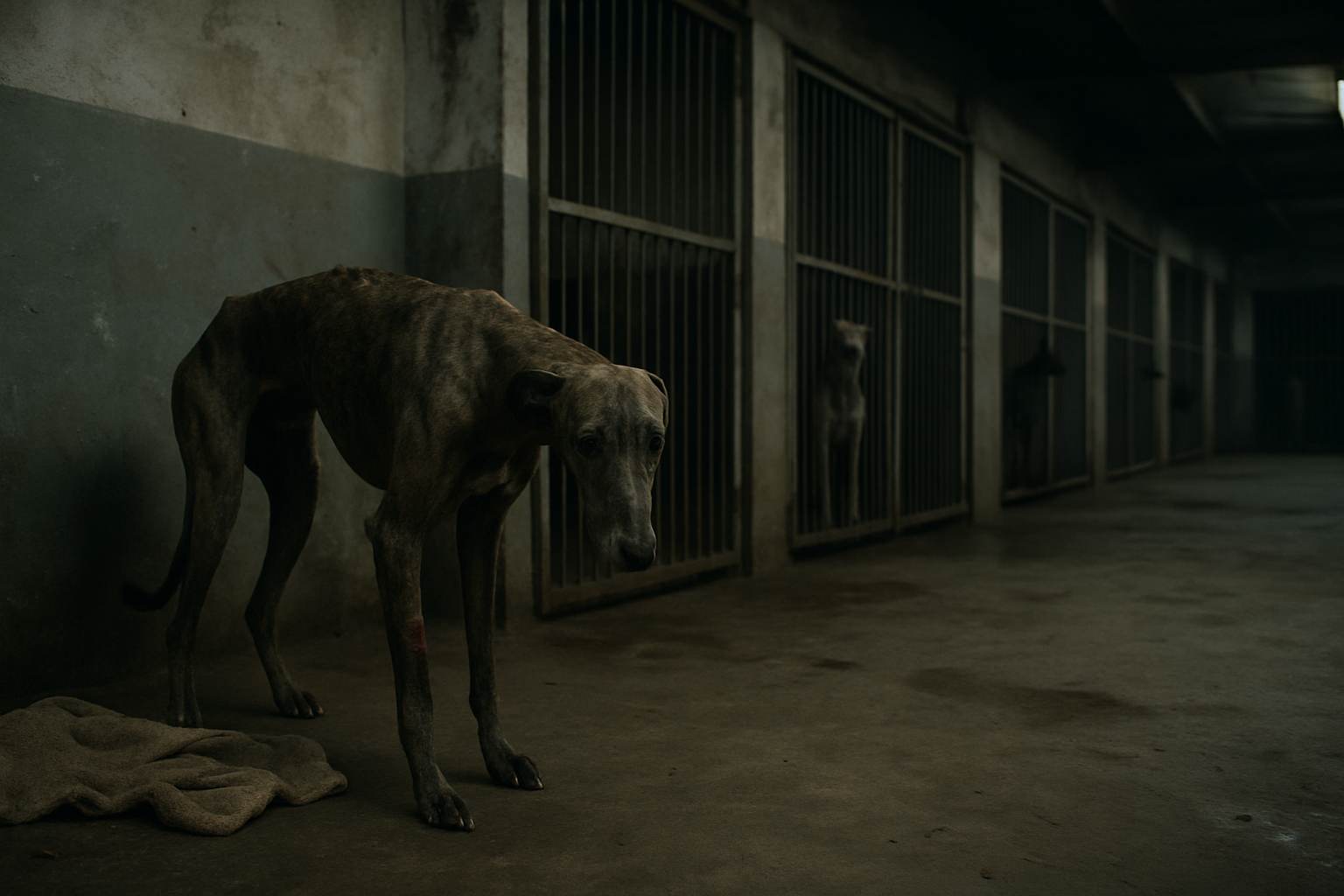
Beyond mortality, concerns about neglect and social deprivation are pervasive. Many dogs spend months in barren kennels, deprived of normal canine interaction and mental stimulation. When they leave the industry, a large share display signs of neglect, ranging from poor grooming to untreated injuries. These welfare issues have prompted several states to ban greyhound racing outright, arguing that the sport cannot be reconciled with humane treatment standards.
The Future of Greyhound Gambling: Balancing Profit and Ethics
Looking ahead, the sustainability of greyhound gambling hinges on reconciling revenue generation with ethical responsibility. The dominance of ADW suggests that the industry will continue to migrate online, where technological safeguards—such as mandatory self‑exclusion tools and transparent betting histories—could mitigate problem gambling. Simultaneously, regulators may impose stricter licensing requirements that tie wagering permissions to demonstrable animal‑welfare compliance, forcing operators to invest in better housing, veterinary care, and retirement programs for the dogs.
Ultimately, the fate of greyhound racing will be decided by public sentiment and legislative action. If the perception that the sport is merely a gambling conduit outweighs its historical cultural appeal, further closures and bans are likely. Conversely, a well‑regulated, humane model that emphasizes responsible betting and robust animal protections could preserve a niche market for enthusiasts who value both the thrill of the race and the welfare of the dogs that run it.

Growing up near the local track, I developed a lifelong fascination with the athleticism and strategy behind greyhound racing. I spend my free time analyzing past performances and studying breeding lines to better understand the nuances of every race. Sharing insights and celebrating the incredible speed of these dogs is what keeps me passionate about the sport.