The Evolution of Greyhound Racing Media Coverage
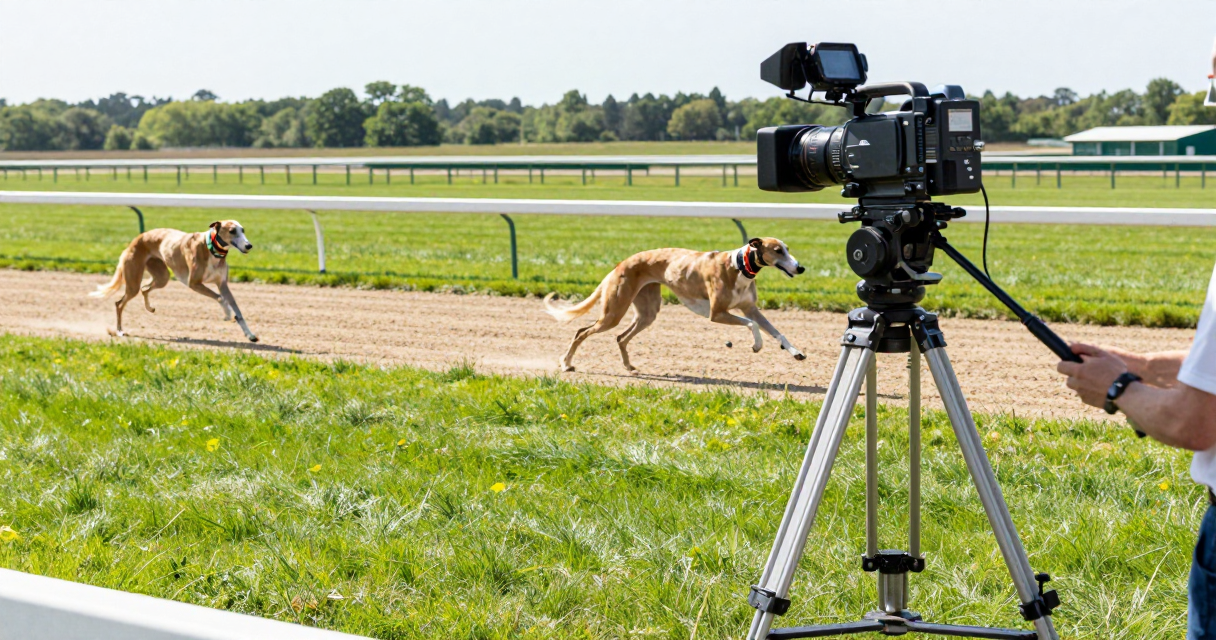
Greyhound racing has undergone significant changes over the decades, and media coverage has played a pivotal role in shaping its public perception and popularity. Traditionally, greyhound racing was broadcasted through local radio and television stations, mainly focusing on major events like the Greyhound Derby. However, the advent of the internet has transformed how races are covered and consumed by fans. Today, streaming platforms and social media have become vital channels for both live coverage and behind-the-scenes insights, allowing fans to engage with the sport like never before. This evolution not only enhances viewer experience but also fosters a community around greyhound racing.
The Role of Digital Media in Greyhound Racing
Digital media has revolutionized greyhound racing coverage, enabling real-time updates and a wealth of information accessible at the click of a button. Websites dedicated to racing provide odds, race results, and expert analyses, making it easier for fans to stay informed. Live streaming has become increasingly popular, allowing enthusiasts to watch races from anywhere in the world. This accessibility has broadened the audience, attracting not only traditional punters but also a younger demographic who may not have previously engaged with the sport. The integration of social media platforms further amplifies this reach, as fans share their experiences and insights, creating a buzz around upcoming events.
Television Coverage and Major Events
Television remains a significant medium for greyhound racing, particularly during major events. Channels such as Sky Sports and Racing TV frequently feature greyhound racing, ensuring that high-profile races receive the attention they deserve. These broadcasts often include expert commentary, in-depth analyses, and interviews with trainers and owners, providing viewers with a comprehensive understanding of the sport. Events like the Greyhound Derby and the English Greyhound Derby attract considerable viewership, showcasing the top contenders and their journey to the finish line. The excitement generated by televised races plays a crucial role in maintaining interest in greyhound racing.
Challenges in Media Coverage
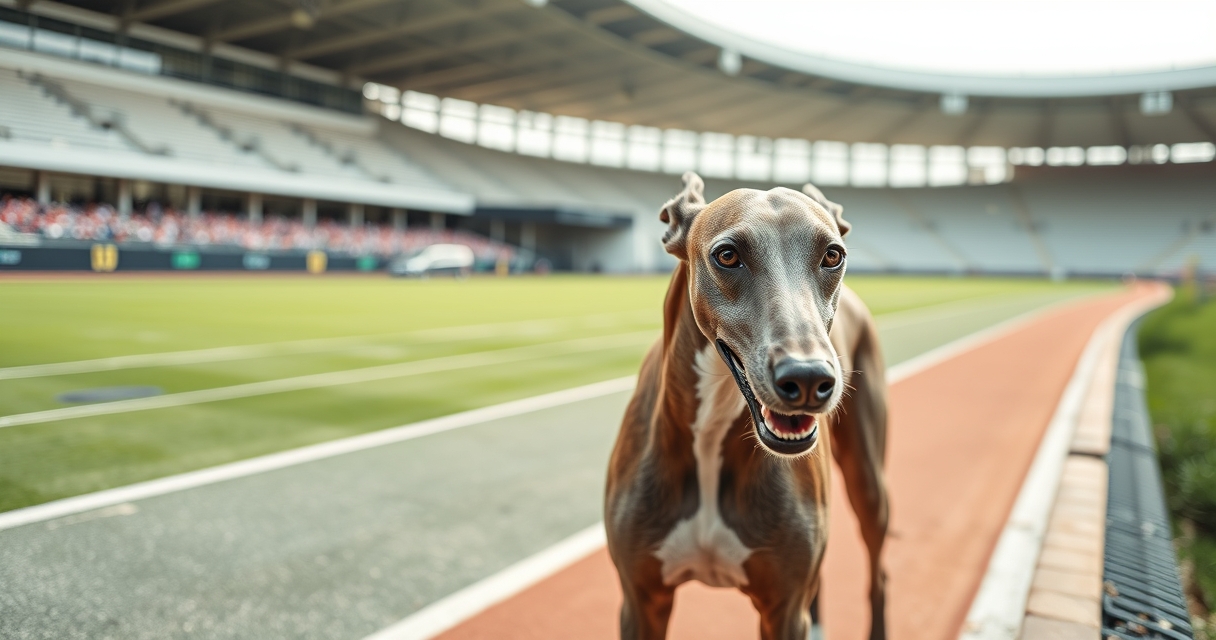
Despite the advancements in media coverage, greyhound racing faces several challenges that impact its representation. One of the most pressing issues is the ongoing debate surrounding animal welfare. Reports of injuries and fatalities during races can lead to negative publicity, which media outlets may emphasize, affecting public perception. This scrutiny can result in decreased viewership and sponsorship opportunities. Additionally, the closure of tracks and contracts, such as those reported at Oxford and Suffolk Downs, can limit the availability of races for coverage, further complicating the landscape for media reporting on greyhound racing.
The Influence of Social Media on Fan Engagement
Social media has transformed fan engagement in greyhound racing, creating interactive platforms for discussion and sharing experiences. Twitter, Facebook, and Instagram allow fans to follow their favorite dogs, trainers, and events closely. Race tracks and organizations often use these platforms to announce results, promote events, and share highlights, fostering a sense of community among fans. The use of hashtags and live-tweeting during races enhances the experience, as viewers can engage in real-time conversations about the action unfolding on the track. This level of interaction not only keeps fans informed but also encourages new spectators to join the conversation.
Future Trends in Greyhound Racing Media Coverage
As technology continues to evolve, greyhound racing media coverage is likely to adapt and innovate further. Virtual reality (VR) and augmented reality (AR) could soon play a role in how fans experience races, offering immersive views of the action. Additionally, the rise of mobile applications dedicated to racing could provide personalized content, tailored betting options, and interactive features that enhance user experience. As the sport seeks to attract a broader audience, embracing these technologies may help combat some of the challenges it currently faces, ensuring that greyhound racing remains relevant and engaging for future generations.
The Importance of Responsible Coverage
With the rise of media coverage comes the responsibility to present greyhound racing in a balanced manner. Responsible reporting includes highlighting the positive aspects of the sport, such as the skill of the dogs and the dedication of their trainers, while also addressing concerns related to animal welfare. Media outlets have the power to influence public opinion, and by promoting responsible practices within the industry, they can help foster a more positive image of greyhound racing. This balance is essential not only for maintaining viewer interest but also for ensuring the long-term sustainability of the sport.

Growing up near the local track, I developed a lifelong fascination with the athleticism and strategy behind greyhound racing. I spend my free time analyzing past performances and studying breeding lines to better understand the nuances of every race. Sharing insights and celebrating the incredible speed of these dogs is what keeps me passionate about the sport.